October 20, 2026
Pearland Gazebo Clay Soil Prep Steps for 2026
Plan pearland gazebo clay soil prep with 2026 clay-soil aware steps for drainage, base work, and permits in the greater Houston area. Get realistic planning e
Pearland Gazebo Clay Soil Prep Steps for 2026
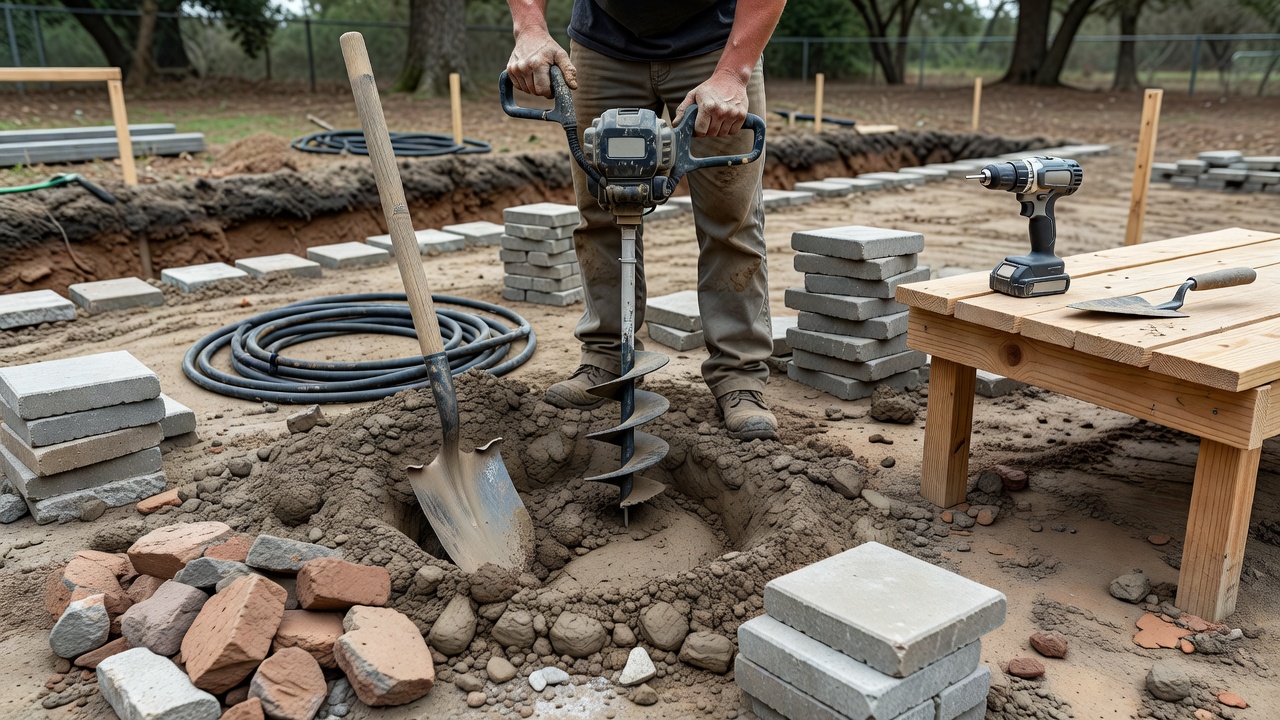
Pearland clay soil demands extra base prep and drainage work for any gazebo. Start by testing your soil and mapping water flow before you order materials. This approach keeps your 2026 planning estimate realistic and avoids later fixes.
Key takeaways
- Clay holds water and shifts, so deeper gravel bases are standard.
- Always check MUD or HOA rules first.
- Native Texas plants reduce irrigation needs around the structure.
- Export a PDF from Backyard Planner for your materials list.
Pearland Gazebo Clay Soil Prep Challenges in 2026
Clay in the greater Houston area expands when wet and cracks when dry. A gazebo slab or footings can crack without proper prep. Run a quick percolation test on your lot to see how fast water drains. Local builders often note that Pearland lots near drainage ditches face extra MUD scrutiny on runoff.
- Dig a 12-inch hole and fill it with water.
- Time how long the water takes to drop one inch.
- Anything over 30 minutes signals heavy clay that needs extra gravel.
- Check for seasonal water tables that rise after heavy spring rains.
- Note any existing low spots where water already pools after storms.
These tests give you a baseline before you dig. Skipping them leads to callbacks when posts shift.
Step-by-Step Clay Soil Prep
Follow these numbered steps before pouring footings or setting posts. Each step accounts for the extra compaction clay requires.
- Mark the gazebo footprint and clear grass and roots.
- Excavate 8–12 inches below grade across the full area.
- Lay geotextile fabric to stop clay from mixing with gravel.
- Add 6 inches of crushed limestone in two lifts and compact each.
- Slope the base 1/4 inch per foot away from the center for drainage.
- Install perforated drain pipe along the low side if water pools.
Do this sequence in order. Skipping compaction lets the clay push back up later. Add a second fabric layer on very soft spots for extra stability.
Drainage Steps for Gazebo Sites
Poor drainage turns clay into mud that undermines posts. Add these checks to your plan. Compare your site to similar Pearland sprinkler projects that use the same base techniques at Pearland sprinkler clay soil prep planning 2026.
- Slope finished grade 6 inches over 10 feet around the structure.
- Connect any downspouts to a French drain that exits to the street.
- Use 3/4-inch gravel backfill around footings instead of native soil.
- Test the finished base with a hose before final grading.
- Extend the drain line at least 10 feet past the structure edge.
- Install a cleanout cap for future maintenance access.
Permit and Licensing Checks
Pearland sits inside multiple MUD districts that review drainage. Contact your local MUD office before excavation. TDLR licensing applies to any contractor who installs irrigation near the gazebo.
- Pull your property survey and note easement lines.
- Submit a simple site plan showing the 5-foot drainage buffer.
- Confirm HOA fence and structure height limits.
- Verify the contractor holds current TDLR registration.
TDLR licensing database lists active contractors. TCEQ rules on stormwater cover drainage changes on residential lots. Texas A&M AgriLife Extension soil resources explain local clay behavior in more detail.
2026 Rough Planning Ranges
These are planning estimates — not a quote. Clay-soil aware ranges for a 12-by-12 gazebo in Pearland run higher than flat sites because of extra base work.
| Item | Low Range | High Range | Notes |
|---|---|---|---|
| Excavation and fabric | $800 | $1,400 | Includes hauling clay away |
| Gravel base (8 in) | $1,200 | $2,000 | Compacted limestone |
| Footings and posts | $1,500 | $2,800 | Concrete piers to 18 in depth |
| Drainage pipe | $400 | $700 | French drain to street |
| Total base prep | $3,900 | $6,900 | Excludes gazebo structure |
Export the full Excel list from Backyard Planner to compare against three local bids. Add 10 percent contingency for unexpected clay pockets.
Native Plants Around the Gazebo
Choose native Texas plants that tolerate clay and need less water. They stabilize soil edges and cut irrigation costs. Review more Pearland options in the Pearland fence native plants 2026 clay soil guide.
- Turk’s cap for shade under the roof overhang.
- Gulf muhly grass along the drip line.
- Black-eyed Susan for color in full sun.
- Yaupon holly for evergreen screening.
- Add a 2-inch mulch ring to slow erosion on slopes.
- Space plants 18 inches from the base to allow air flow.
Seasonal Timing and Weather Considerations
Houston weather affects clay soil work windows. Plan around wet months to keep excavation dry.
- Schedule major digging between October and February when rain is lighter.
- Allow at least two weeks of dry weather after excavation before compacting gravel.
- Monitor forecasts for sudden downpours that can fill open holes.
- Finish grading before spring rains return in March.
- Clay stays workable only when moisture is below 20 percent.
- Rent a plate compactor for the full day rather than by the hour.
- Have tarps ready to cover the site overnight.
- Delay planting until after the first summer heat wave passes.
Similar timing applies to nearby Cypress gazebo projects detailed in Cypress gazebo shed MUD costs 2026 clay soil checks.
Common Mistakes to Avoid
- Using topsoil backfill instead of gravel.
- Ignoring the 1 percent slope on the finished pad.
- Hiring without checking TDLR and MUD records.
- Planting non-native turf that needs daily watering.
- Starting work without a percolation test on record.
Next Steps
- Run your lot dimensions through the Backyard Planner tool for a clay-soil aware PDF on pearland gazebo clay soil prep.
- Schedule a percolation test this month while ground is dry.
- Gather three written bids from TDLR-licensed builders.
- Submit MUD paperwork before ordering lumber.
- Add native plants to the final planting list to reduce long-term water use.
FAQ
How deep should the gravel base go for a Pearland gazebo?
Plan on 8 inches of compacted limestone over fabric. Heavier clay pockets may need 12 inches.
Do I need a permit for a small gazebo in Pearland?
Most MUD districts require a drainage plan even for structures under 120 square feet. Check your specific district first.
Can I use the same prep steps for a shed next to the gazebo?
Yes. The excavation, fabric, and gravel sequence stays the same. See the Cypress gazebo shed guide for MUD cost notes.
What plants work best in clay around a gazebo?
Native Texas plants like Turk’s cap and Gulf muhly handle wet clay cycles without extra irrigation.
Are these numbers exact quotes?
No. These are rough 2026 planning ranges only. Get multiple written bids from licensed local contractors.