October 10, 2026
Cypress Gazebo Shed MUD Costs 2026 Clay Soil Checks
Review cypress gazebo shed mud costs for 2026 clay soil projects. Run clay-soil aware planning estimates, check MUD drainage rules, and TDLR licensing notes b
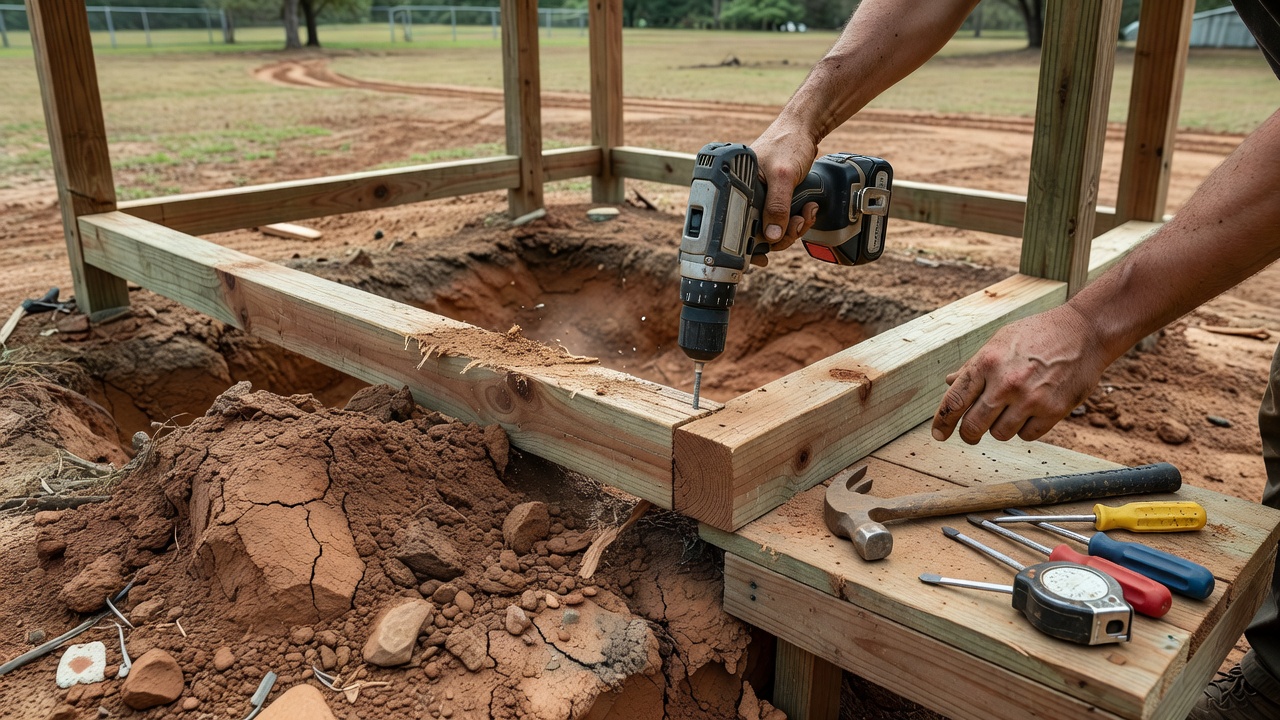
Cypress Gazebo Shed MUD Costs 2026 Clay Soil Checks
Planning a gazebo or shed in Cypress starts with MUD costs driven by clay soil prep and drainage. These 2026 planning ranges help you compare bids without surprises from local soil and permit demands.
Key takeaways
- Clay soil in Cypress adds base depth and drainage steps to every Gazebo / Shed project.
- MUD reviews often require proof of water flow away from structures.
- Use planning estimates first, then get multiple written quotes from licensed pros.
- TDLR licensing applies to irrigation ties if sprinklers connect later.
- Extra base prep and French drains raise total costs 15-25 percent over sandy soil lots.
Cypress Clay Soil Demands for Shed Foundations
Clay holds water and shifts. A Gazebo / Shed base must sit on extra compacted fill plus a drainage layer.
- Dig test holes to 12 inches before ordering materials.
- Add 4-6 inches of crushed base beyond the slab edge.
- Slope finished grade 6 inches over 10 feet away from walls.
- Install French drain runs if the lot sits low.
Do this first:
- Locate your MUD district boundaries.
- Pull recent as-built drainage maps.
- Mark existing swales on your lot plan.
Not this:
- Skip soil tests and hope for the best.
- Use standard national base depths.
Cypress lots often sit on heavy black clay that expands when wet. This movement cracks slabs unless the base exceeds 8 inches of compacted material. Local drainage rules also force positive flow away from any new structure to prevent neighbor flooding complaints.
MUD Permit Steps Specific to Cypress
Cypress MUDs review every structure over 120 square feet. Submit drainage calculations early.
- Fill out the MUD application with site photos.
- Show 1 percent minimum slope on the plan.
- Include native Texas plants in buffer zones where required.
- Pay the review fee before bidding work.
Run clay-soil aware planning estimates first so your submittal matches what inspectors expect.
Submit the same packet to your HOA if the neighborhood has one. Many Cypress subdivisions require both reviews. Allow extra time for comments on grading and outlet locations.
2026 Planning Ranges for Cypress Gazebo Sheds
Public 2026 data shows rough planning ranges for greater Houston area clay soil. These numbers cover materials, labor, and basic drainage upgrades.
| Item | Low Range | High Range | Notes |
|---|---|---|---|
| 10x12 shed base | $2,800 | $4,900 | Extra clay prep included |
| Gazebo with deck | $5,200 | $9,800 | Drainage layer adds 18 percent |
| Permit & MUD review | $450 | $950 | Varies by district |
| Full drainage tie-in | $1,100 | $2,400 | Required on many lots |
| Electrical stub | $650 | $1,150 | Separate trench in clay |
Export the PDF from Backyard Planner for your exact lot size and cutting list. Ranges shift with material prices and crew availability each quarter.
Base Prep and Material Choices for Cypress Clay
Clay soil prep requires specific layers that standard builders sometimes skip. Choose materials that drain while staying stable under load.
Base material checklist:
- 3/4-inch crushed limestone for the main layer.
- Geotextile fabric to separate clay from gravel.
- 1-inch clean gravel for the top drainage course.
- 4-inch perforated pipe with sock.
- Concrete mix with 4,000 psi rating for the slab.
Numbered prep sequence:
- Remove topsoil to 10 inches below final grade.
- Compact native clay in 4-inch lifts.
- Lay fabric and first gravel course.
- Install drain pipe with 1/8-inch slope per foot.
- Add final gravel and compact again.
- Pour slab with turned-down edges.
Compare these options in the table below.
| Material Option | Drainage Benefit | Cost Impact | Clay Performance |
|---|---|---|---|
| Standard gravel base | Moderate | Low | Fair |
| Fabric plus pipe | High | Medium | Good |
| Full French drain | Very high | High | Excellent |
Review USDA clay soil drainage guidelines before finalizing your material list.
Drainage Steps Required in Clay
Water must leave the site. Clay slows percolation, so plan active outlets.
- Install 4-inch perforated pipe wrapped in fabric.
- Route to existing MUD swale or street gutter.
- Add pop-up emitters at low points.
- Backfill with gravel, not native clay.
Check this list before concrete trucks arrive:
- Swale depth minimum 8 inches.
- Pipe slope 1/8 inch per foot.
- Cleanout every 50 feet.
- Final grade inspection scheduled.
See similar Cypress drainage steps for ponds.
Test your outlet after heavy rain. Standing water within 24 hours signals the need for additional pipe or a larger swale.
TDLR Licensing Notes for Connected Systems
If you add irrigation later, the contractor must hold current TDLR irrigation license. Verify on the state site.
- Ask for license number on every bid.
- Confirm insurance covers clay soil work.
- Keep copies of permits with your HOA records.
Compare bids using planning estimates so you know which line items are standard versus clay-soil extras.
Verify current TDLR irrigation licenses online before signing any contract that ties into existing sprinklers.
HOA and MUD Overlap in Cypress Neighborhoods
Many Cypress subdivisions sit inside both MUD and HOA boundaries. Submit the same drainage plan to both.
- HOA often requires matching fence or shed style.
- MUD focuses on water flow and easements.
- Allow 4-6 weeks for dual approvals.
Track every comment in writing. Resubmit revised drawings within the deadline to avoid restarting the clock.
Next Actions Before You Call Contractors
- Pull your property survey and MUD map.
- Run the clay-soil aware estimate for your lot size.
- Note required base depth and drainage length.
- Collect three written bids from TDLR-licensed crews.
- Compare each bid against the exported materials list.
Link to main planning tool for your Cypress address.
Frequently Asked Questions
How much extra does clay soil add to a Cypress shed?
Expect 15-25 percent more for deeper base and drainage compared with sandy lots.
Do I need MUD approval for a small gazebo?
Most Cypress MUDs require review once the structure exceeds 120 square feet or ties into drainage.
What TDLR license should the contractor hold?
Irrigation license if sprinklers connect; general contractor license for the structure itself.
Can I use native Texas plants around the shed?
Yes. They reduce irrigation needs and help meet MUD buffer rules in many districts.
Is this a final price?
No. These are planning estimates — not a quote; always get multiple written local quotes.
Planning estimate — not a quote; always get multiple written local quotes from licensed pros who know your MUD or HOA rules.