October 18, 2026
Pearland Fence Native Plants 2026 Clay Soil Guide
Plan pearland fence native plants 2026 with clay soil prep steps, drainage checks, HOA rules, and rough ranges before bids in the greater Houston area.
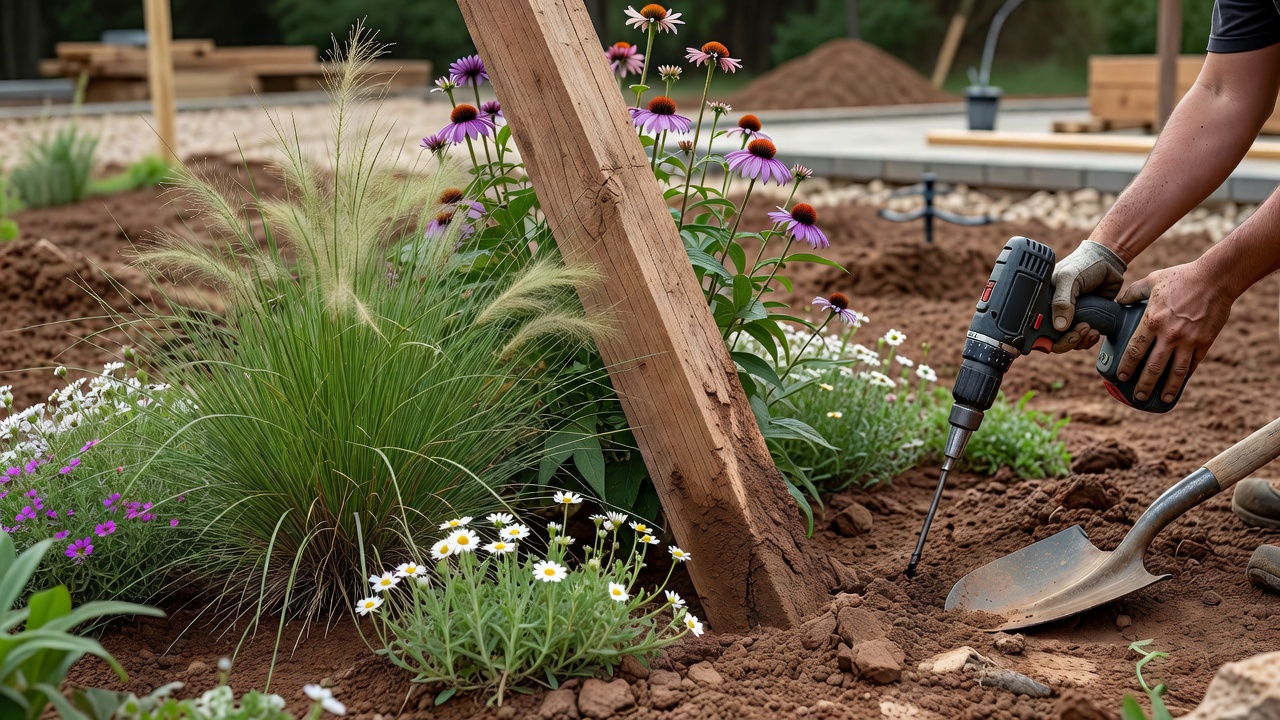
Pearland Fence Native Plants 2026 Clay Soil Guide
Start with clay soil prep before adding native plants to any fence extension in Pearland. Extra base work and drainage fixes come first because local soil holds water and shifts.
Backyard Planner runs clay-soil aware planning estimates for greater Houston area yards. Run the numbers for your lot, then compare bids from licensed pros who know Pearland MUD or HOA rules.
Check Pearland HOA and MUD Rules First
Review your neighborhood rules before you dig. Many Pearland HOAs limit fence height, material, and plant placement along property lines.
- Confirm fence extension setbacks from utilities
- Note any native plant lists required by the HOA
- Verify TDLR licensing for any irrigation tie-ins
- Document drainage flow toward the street or ditch
Contact your MUD office for permit checklists. Skip this step and you risk rework after installation.
Pearland permitting often requires proof that new plantings will not increase runoff onto adjacent lots. Submit site photos and a simple drainage sketch with your application. Delays happen when paperwork omits clay soil notes or plant spacing details.
Prep Clay Soil for Fence Extensions
Clay soil in the greater Houston area compacts fast and drains poorly. Test your soil first, then amend the planting strip along the new fence.
- Dig test holes 12 inches deep along the fence line
- Add 4–6 inches of compost and gypsum where plants will go
- Slope the base 1 inch per foot away from the fence posts
- Install perforated drain tile if water pools after rain
Repeat the test after amendment. Clay needs this extra step every time. For detailed soil amendment guidance tailored to Texas clay, review resources from the USDA Natural Resources Conservation Service.
Heavy clay also limits root penetration. Break up the top 8 inches with a broadfork before adding amendments. This prevents plants from drowning during the wet months common in Pearland.
Choose Native Texas Plants for Greater Houston Area
Pick plants that handle heavy clay and summer heat. Native species reduce water needs once established.
- Texas sage for full sun fence lines
- Gulf muhly grass for drainage edges
- Yaupon holly for partial shade sections
- Blackfoot daisy for low-water zones
- Lindheimer muhly for taller screens
Avoid invasive species that spread into neighboring lots. Check the native plants katy paver patio clay soil 2026 guide for similar plant lists used in nearby clay soil projects. Texas A&M AgriLife provides region-specific selection tools at their native plant database.
Match plant height to fence design. Taller shrubs like yaupon holly can soften a 6-foot privacy fence while staying under most HOA sight-line limits. Grasses add movement without blocking views.
Rough Planning Ranges for 2026
Expect 2026 costs to vary by fence length and plant size. These are planning estimates — not a quote.
- Basic native grass strip: $8–$14 per linear foot
- Shrub and grass mix: $15–$22 per linear foot
- Full native screen with irrigation tie-in: $25–$35 per linear foot
Add 15–20% for clay soil prep and drainage fixes. Export a PDF from Backyard Planner with materials and labor breakdowns before you call contractors.
Labor rates in Pearland rose in 2025 due to material and fuel costs. Factor an extra $3–$5 per linear foot when crews must haul in extra fill for drainage swales.
Drainage Steps in Clay Soil
Poor drainage kills new plants along fences. Fix water flow before planting.
- Grade the soil strip to slope away from posts
- Place 4-inch drain pipe at the lowest point
- Connect to existing yard drains or street curb
- Backfill with gravel over the pipe
- Top with 6 inches of amended clay mix
Test flow with a hose after backfill. Standing water means redo the grade. The clay soil drainage for multiple backyard features in houston guide shows how fence drainage ties into larger yard systems.
Installation Checklist
Use this sequence to keep the project on track.
- Pull permits and HOA approvals
- Mark fence line and utilities
- Amend clay soil in planting strip
- Set new fence posts with concrete collars
- Install drainage pipe if needed
- Plant natives at correct spacing
- Add 2–3 inches of mulch
- Water deeply twice a week for first month
Track each item with photos for your records. Spacing rules matter: most grasses need 18–24 inches between plants to allow airflow and reduce fungal issues in humid summers.
Watering and Maintenance for Clay Soil Success
Native plants still need consistent water the first season while roots establish in amended clay. Overwatering after year one causes more problems than underwatering.
- Water 1 inch per week for the first 8–10 weeks
- Switch to deep, infrequent watering after roots reach 12 inches
- Mulch annually to suppress weeds and retain moisture
- Prune grasses in late winter before new growth
- Monitor for scale on hollies during dry spells
Clay holds nutrients well once amended, so skip heavy fertilizer. A light top-dress of compost each spring maintains structure without runoff risks flagged by local MUDs.
Compare Fence Plant Options
| Option | Clay Soil Prep Needed | Water Use | HOA Friendly | 2026 Rough Range |
|---|---|---|---|---|
| Native grasses only | Medium | Low | Yes | $8–$14 per ft |
| Shrub mix | High | Medium | Check rules | $15–$22 per ft |
| Mixed screen | High | Medium | Often | $25–$35 per ft |
See how fence choices compare with sprinkler projects in the sprinkler vs fence woodlands clay soil 2026 planning article.
Common Mistakes to Avoid
- Planting without soil amendment
- Ignoring HOA plant height limits
- Skipping drainage around posts
- Using non-native species that need constant water
- Starting without written bids from TDLR licensed crews
Fix these before you buy plants. Another frequent error is planting too close to the fence itself; leave at least 12 inches for airflow and future maintenance access.
Key Takeaways
- Clay soil prep adds cost but prevents plant failure
- Native Texas plants cut long-term water use
- Always run planning estimates before permits
- Compare multiple local bids after you export your list
Next Steps
- Run your Pearland fence numbers at Backyard Planner
- Export the PDF with clay-soil aware materials list
- Review MUD or HOA notes before any bids
- Call three licensed contractors for written quotes
Planning estimates — not a quote. Always get multiple written local quotes from pros who understand greater Houston area clay soil and drainage.
FAQ
How much clay soil prep does a Pearland fence extension need?
Most lots need 4–6 inches of amendment plus drainage pipe. Test your soil first.
Which native plants work best along fences in the greater Houston area?
Texas sage, Gulf muhly, and yaupon holly handle clay and heat with low water once established.
Do Pearland HOAs restrict native plants on fence lines?
Many require approval for height and species. Submit your plant list with the fence permit.
What 2026 cost range should I plan for native plants on a fence?
Expect $8–$35 per linear foot depending on plant mix and clay prep. These are rough planning ranges.
Where can I check drainage rules for Pearland fence projects?
Contact your local MUD office and review the clay soil drainage for multiple backyard features in houston guide for steps that apply to fence extensions.