October 8, 2026
Native Plants Katy Paver Patio Clay Soil 2026 Guide
Plan native plants katy paver patio projects in greater Houston area clay soil. Review 2026 planning ranges, drainage steps, MUD rules, and clay-soil aware es
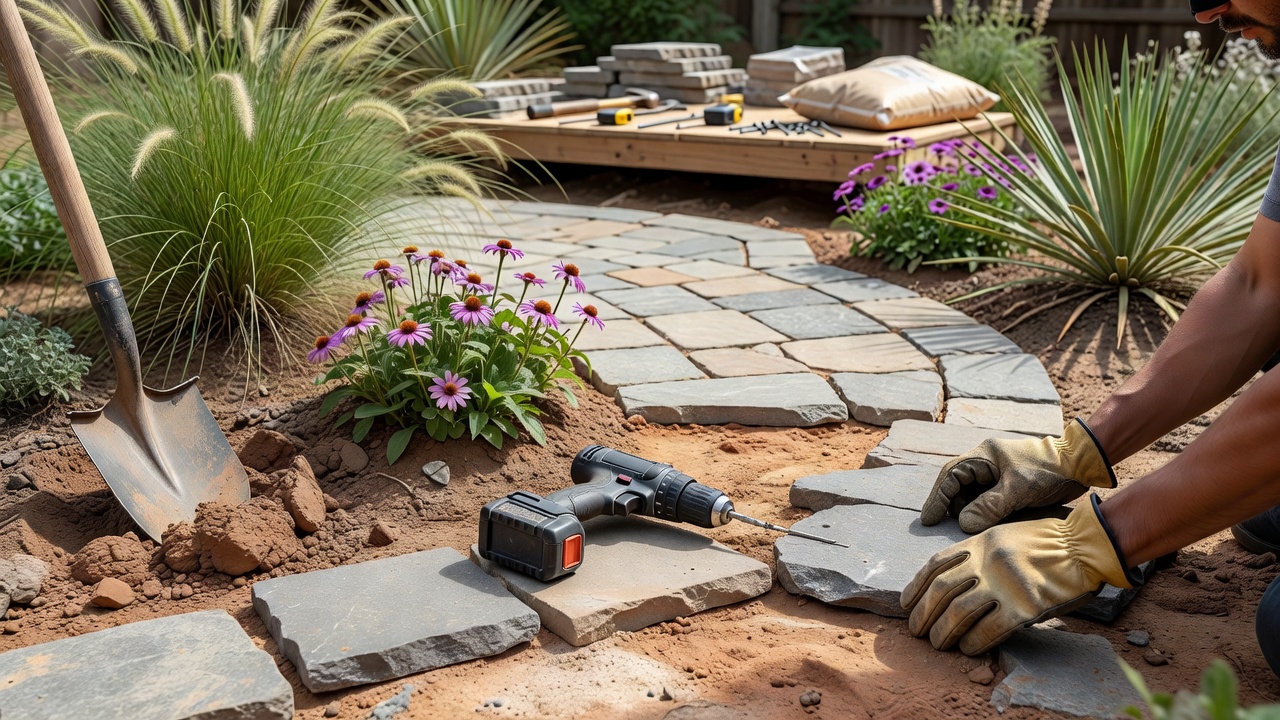
Native Plants Katy Paver Patio Clay Soil 2026 Guide
Katy homeowners planning a Paver Patio need native Texas plants that handle heavy clay and poor drainage. Start with clay-soil aware steps before any plant order. Backyard Planner delivers rough 2026 planning ranges tuned for local conditions.
Key takeaways
- Clay demands extra base depth and drainage under every paver patio.
- Native Texas plants cut long-term water use once established.
- Always run planning estimates first, then compare written bids from licensed pros.
- Check MUD and HOA rules early for your Katy address.
Clay Soil Realities for Katy Paver Patios
Katy clay holds water and shifts with wet-dry cycles. This forces deeper excavation and gravel layers under pavers. Skip these steps and roots rot or pavers heave.
- Test soil drainage with a simple hole test before design.
- Add 4–6 inches of decomposed granite base minimum.
- Slope the patio 1–2 percent away from the house.
- Install French drains if water pools after rain.
- Monitor for cracks that appear after the first summer dry spell.
- Account for tree roots that can lift pavers over time.
Clay soil drainage steps for multiple features show how to sequence paver patio work with other projects.
Local soil maps from the NRCS Web Soil Survey confirm Katy’s dominant clay series and help predict drainage limits before you dig.
Native Texas Plants That Survive Katy Clay
Pick plants adapted to local clay and summer heat. These options need less irrigation after year one.
- Texas lantana – drought tolerant once roots reach moisture.
- Blackfoot daisy – low mounding habit, full sun.
- Cedar sage – shade tolerant under trees near the patio.
- Gulf muhly – ornamental grass that handles occasional wet feet.
- Turk’s cap – works in clay pockets with afternoon shade.
- Mealy blue sage – attracts pollinators and tolerates compacted edges.
- Prairie verbena – spreads slowly in full sun without invading pavers.
Avoid non-native ground covers that demand constant water. The Lady Bird Johnson Wildflower Center plant database lists additional Houston-region natives with clay tolerance notes.
Drainage Steps Before Planting
Install drainage before final paver setting. Clay traps water against plant roots.
- Dig swales along patio edges.
- Route downspouts away from planting beds.
- Use permeable paver joints filled with gravel.
- Top-dress beds with 2 inches of native soil mix.
- Add perforated pipe under high-traffic walkways.
- Backfill planting pockets with amended clay to improve root penetration.
Woodlands paver patio clay soil comparisons give sequence examples you can adapt for Katy.
Sun Exposure and Plant Placement Around Patios
Katy patios often face west or south, creating hot reflected heat zones. Match plant sun needs to those microclimates.
- Full-sun beds along south edges suit lantana and Gulf muhly.
- East-facing strips work for cedar sage that needs morning light only.
- North sides near fences support Turk’s cap in deeper shade.
- Group plants by water needs to avoid overwatering clay pockets.
- Leave 12-inch gaps between paver edges and new beds for root expansion.
- Use low-growing species directly adjacent to seating areas to reduce tripping hazards.
2026 Planning Ranges for Plants and Pavers
Public 2026 data shows rough ranges for Katy work. These are planning estimates — not a quote.
| Item | Low Range | High Range | Clay Factor |
|---|---|---|---|
| Paver patio base prep | $6 per sq ft | $12 per sq ft | Extra gravel and drainage |
| Native plant install | $4 per sq ft | $9 per sq ft | Soil amendment and mulch |
| Sprinkler tie-in | $1,800 | $3,400 | Clay-aware zoning required |
| Permit and inspection | $150 | $450 | MUD or HOA review time |
| First-year watering | $300 | $600 | Drip system add-on |
Run your own numbers in Backyard Planner before calling contractors.
MUD and HOA Permit Checks
Katy MUD districts often require drainage plans. HOAs may limit plant height or color.
- Submit site sketch with plant list.
- Confirm TDLR licensing for any irrigation changes.
- Allow 3–6 weeks for approvals.
- Keep copies of every approval letter.
- Re-submit if plant species change after initial review.
- Verify fence or shed setbacks do not conflict with new beds.
Check current licensing status on the TCEQ occupational licensing search before signing any irrigation or drainage contract.
Integration With Sprinkler Systems
Native plants still need water the first season. Tie new beds into existing zones.
- Use drip emitters at plant bases.
- Set separate zone for clay beds that drain slowly.
- Program shorter cycles to avoid runoff.
- Flush lines after winter to prevent clay sediment buildup.
- Install rain sensors to meet local watering restrictions.
Native Texas plants for sprinkler system planning covers zone layout details for greater Houston yards.
Common Mistakes to Avoid
- Planting non-natives that need daily water.
- Skipping base prep because clay looks firm.
- Ignoring HOA plant restrictions until after install.
- Using national plant lists that ignore Houston drainage.
- Over-mulching beds so water sits against paver edges.
- Placing tall plants that block views from indoor windows.
Project Sequencing for Katy Yards
Decide order before breaking ground.
- Run clay-soil aware planning estimate.
- Check MUD and HOA rules.
- Install drainage and paver base.
- Add native plants and mulch.
- Adjust sprinkler zones.
- Monitor first heavy rain for standing water.
Deciding backyard project order Houston clay soil walks through timing for multiple features.
Establishment and First-Year Care
Native plants require consistent moisture the first 12 months while roots develop in clay. Reduce watering gradually after that point.
- Water deeply twice weekly during summer establishment.
- Apply 2–3 inches of hardwood mulch to retain moisture without compacting clay.
- Prune spent blooms on lantana and verbena to encourage rebloom.
- Inspect for scale or aphids that appear on stressed new transplants.
- Replace any plants that fail before the second season to keep the bed uniform.
Next Steps
- Export the PDF from Backyard Planner with your Katy lot details.
- Compare the materials list against three local bids.
- Verify every contractor holds current TDLR or TCEQ licensing.
- Re-check drainage after first heavy rain.
- Track actual water use for the first summer to refine zones.
Planning estimates help you spot unrealistic bids early. Always get multiple written quotes from pros who know Katy clay and MUD rules. This tool is independent and not affiliated with any contractor.
FAQ
Which native plants stay under 12 inches near paver edges?
Low options like blackfoot daisy and prairie verbena stay compact and reduce tripping risk while handling clay.
How much extra base depth does Katy clay require under pavers?
Most sites need 6–8 inches of compacted base plus a drainage layer; test holes confirm exact needs.
Do I need a permit to add native plants around an existing patio?
MUD or HOA review is often required if drainage changes or irrigation is added; check before planting.
Can I plant natives the same season as paver installation?
Yes, but complete drainage and base work first so roots do not compete with unsettled clay.
Where can I find local 2026 cost data for these projects?
Backyard Planner compiles public ranges; always cross-check with written bids from licensed Katy contractors.