September 29, 2026
Native Texas Plants for Sprinkler System Planning
Plan native texas plants sprinkler system planning for greater Houston area clay soil yards. Review drainage realities, 2026 planning estimates — not a quote,
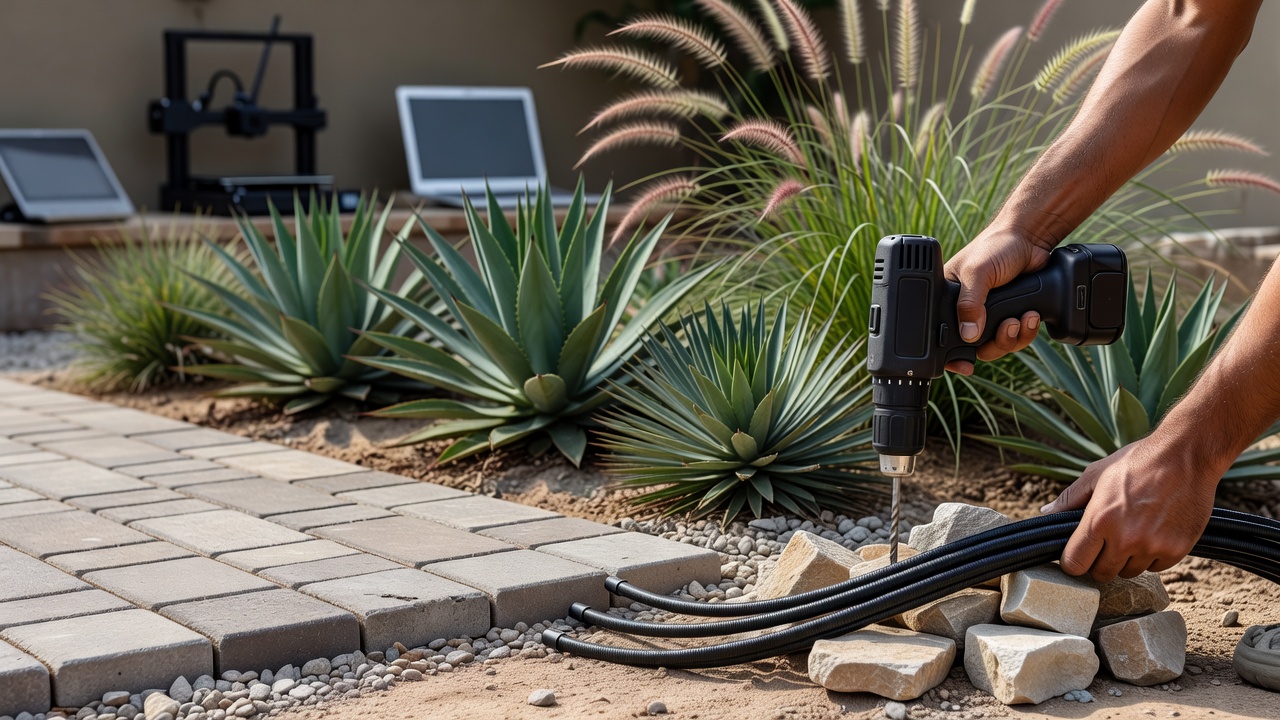
Native Texas Plants for Sprinkler System Planning
Start by matching native Texas plants to your sprinkler zones in greater Houston area clay soil. Clay holds water too long and drains poorly, so you need plants that tolerate both wet and dry cycles once the system runs.
Backyard Planner gives rough 2026 planning ranges only. Always get multiple written local quotes from TDLR licensed pros who know your MUD or HOA rules.
Key takeaways
- Clay-soil aware plant lists reduce overwatering risks
- Zone your sprinklers by sun and drainage first
- Native plants cut long-term water use in Houston yards
- Planning estimate — not a quote; verify every number locally
Clay Soil Drainage Realities in Houston Yards
Houston clay forces extra base work before any sprinkler system. Water pools on top then cracks when dry, stressing roots.
Test your soil drainage with a simple hole test in two spots. If water sits longer than four hours, add French drains or raised beds before planting.
- Dig 12-inch test holes
- Fill with water and time the drop
- Note sun exposure per zone
- Map low spots that collect runoff
- Check MUD rules on irrigation discharge
Selecting Native Plants That Fit Sprinkler Zones
Pick plants by their water needs and root depth. Deep-rooted natives handle clay better than shallow lawn grass.
Link your zones to plant groups instead of running one schedule everywhere. Decide project order first so sprinklers and plants go in at the right time.
- Black-eyed Susan for full sun dry zones
- Gulf muhly for edges with good drainage
- Texas sage for hot west exposures
- Inland sea oats for shaded clay pockets
- Turk's cap for low spots that stay moist
Matching Plants to Sprinkler Head Types
Rotor heads cover large open areas while drip lines suit beds. Match native plants to the head type to avoid waste.
- Rotors: place at 8–12 foot spacing on slopes
- Spray heads: use only in small flat beds
- Drip emitters: 1–2 gallons per hour per plant
- Bubblers: limit to trees and large shrubs
- Avoid mixing heads on the same valve
2026 Planning Ranges for Sprinkler Systems
Use these rough 2026 planning ranges for greater Houston area yards. Numbers cover materials, labor, and clay-soil prep.
| Project Size | Low Range | High Range | Clay Prep Add-On |
|---|---|---|---|
| 500 sq ft | $2,800 | $4,500 | +$600 |
| 1,000 sq ft | $4,900 | $7,800 | +$1,100 |
| 1,500 sq ft | $6,700 | $10,400 | +$1,500 |
Export the full PDF from Backyard Planner for your exact lot size and plant list.
Steps to Build Your Clay-Soil Aware Plan
- Sketch existing drainage and low spots
- Divide yard into sun and water-need zones
- Choose natives from the list above
- Run the Backyard Planner tool for sprinkler layout
- Note TDLR licensing and MUD permit steps
- Compare three written bids from local licensed pros
Review Woodlands sprinkler clay soil steps for neighborhood-specific drainage examples.
Common Mistakes to Avoid
- Running the same schedule on every zone
- Planting natives in compacted fill without loosening soil
- Ignoring HOA irrigation shutoff rules
- Skipping a rain sensor or smart controller
- Using non-native turf that needs daily water
Permit and Licensing Checks
Greater Houston area MUDs and HOAs often require backflow preventers and seasonal watering limits. Confirm rules before buying heads or plants.
Contact your local TCEQ office for current irrigation rules. See native plant fence examples that pair well with sprinkler edges.
Next Steps
- Run your lot through Backyard Planner for a custom PDF
- Pull your MUD or HOA irrigation guidelines
- List three TDLR licensed contractors for bids
- Time plant installation after sprinkler pressure tests
- Track first-year water use against the plan
Planning estimate — not a quote; always get multiple written local quotes.
FAQ
How many native plants fit per sprinkler zone?
Count square footage first. Most zones support 6–10 small natives or 3–5 large shrubs depending on spacing rules.
Do native plants need less water than turf in clay soil?
Yes. Once established, many Texas natives use 30–50% less water than St. Augustine in Houston clay.
What permit steps apply to sprinkler systems?
Check your MUD or HOA for backflow and timer rules. TDLR licensing covers the installer; city permits may apply for new valves.
Can I mix natives with existing lawn grass?
Yes, but keep them on separate valves. Clay drainage differs under turf versus amended beds.
Where do I find current 2026 cost data?
Backyard Planner pulls public 2026 data for greater Houston area projects. Export the materials list and compare against real bids.