September 19, 2026
Native Plants for Houston Fence Extensions 2026
Learn how native plants support Houston fence extensions in clay soil. Get 2026 planning ranges, drainage steps, and HOA checks before you call licensed pros.
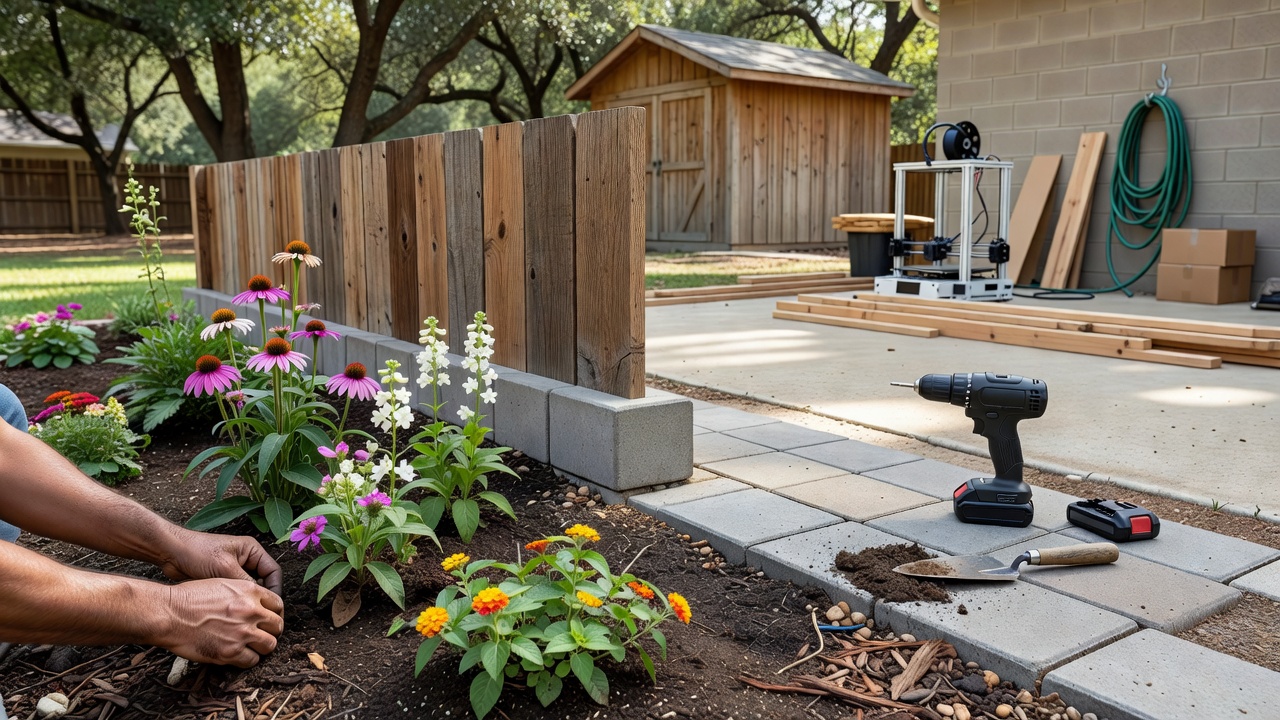
Native Plants for Houston Fence Extensions 2026
Native plants cut drainage problems along fence extensions in greater Houston area yards. They handle clay soil without extra irrigation once established. Start with soil tests and local rules before any planting.
Key takeaways
- Clay soil requires extra base prep for fence extensions
- Native Texas plants improve drainage and reduce long-term costs
- Always check MUD and HOA rules first
- Use planning estimates from Backyard Planner to compare options
- Get multiple written bids from TDLR licensed contractors
Why Native Plants Work in Clay Soil
Clay soil in Cypress and Katy holds water and cracks when dry. Native plants send roots deep and stabilize the ground near fence lines. They need less water after the first year. This approach matches the realities of greater Houston area drainage patterns where heavy spring rains often pool against new fence footings.
Choose species that tolerate both wet winters and summer drought. This reduces runoff toward your fence posts. Local clay soil planning benefits from plants that break up compaction over time without chemical amendments. Resources from the Lady Bird Johnson Wildflower Center provide region-specific profiles that align with these conditions.
Recommended Native Plants for Fence Lines
These plants suit greater Houston area conditions and clay soil planning.
- Texas sage for full sun and low water
- Blackfoot daisy for borders and drainage edges
- Gulf muhly grass to hold soil along fence bases
- Turk's cap for shaded fence sections
- Cenizo for drought tolerance near patios
- Mealy blue sage for pollinators and color
Plant in groups of three or five for better soil coverage. Space them 18 to 24 inches from fence posts to avoid root damage. Each selection supports pollinators while cutting irrigation needs after establishment. Texas sage and cenizo thrive in the full sun common along east-west fence runs in Katy and Sugar Land.
Steps to Add Plants Along Fence Extensions
- Test soil drainage at three spots along the fence.
- Mark MUD and HOA setbacks on a site sketch.
- Choose three native species that match sun exposure.
- Amend only the planting holes with compost, not the whole bed.
- Install plants and add 2 inches of mulch.
- Water weekly for the first 90 days.
Follow these steps in order. Skipping drainage checks leads to standing water against new fence footings. Always verify plant sources carry Texas-grown stock to avoid invasive varieties that could spread into neighboring yards.
Drainage Steps Specific to Clay Soil
- Dig 12-inch test holes and fill with water
- Time how long water takes to drain
- Slope soil away from fence posts at 1 percent grade
- Add French drains only if tests show poor percolation
- Route downspouts away from the fence line
Clay soil planning always starts with these checks. Poor drainage shortens fence life and voids some HOA approvals. The USDA Natural Resources Conservation Service soil survey offers free online maps that help identify percolation rates before you dig.
HOA Rules and Permit Checks
Many Pearland and Woodlands HOAs limit plant height along fences. Some require native-only lists. Review your deed restrictions before buying plants.
Run clay-soil aware drainage checks for fence extension drainage pearland hoa projects. Compare your notes against the 2026 rough planning ranges listed there.
Contact your MUD office for any irrigation tie-ins. TDLR licensing applies if you add a sprinkler system later.
2026 Planning Ranges for Fence Projects
Use these rough planning ranges as a starting point only. They cover greater Houston area clay soil conditions.
| Project Element | Low Range | High Range | Notes |
|---|---|---|---|
| Fence extension base | $18 per ft | $32 per ft | Extra gravel for clay drainage |
| Native plant install | $4 per sq ft | $9 per sq ft | Includes mulch and soil prep |
| Drainage correction | $1,200 | $3,800 | French drain or regrade |
| HOA permit review | $150 | $450 | Varies by neighborhood |
These numbers come from public 2026 data. They remain planning estimates — not a quote.
Maintenance Calendar for Clay Soil Yards
- Spring: Prune dead growth and check mulch depth
- Summer: Water only during extended drought
- Fall: Divide grasses every third year
- Winter: Inspect fence posts for movement after heavy rain
Native plants need less care than turf. Still monitor for erosion around fence corners each season. Record rainfall amounts during the first two winters to adjust future watering schedules.
Plant Selection by Sun and Soil Conditions
Match plants to fence orientation and light levels before purchase. South-facing fences in Pearland receive intense afternoon sun that favors drought-tolerant options like cenizo. North-facing lines in the Woodlands stay shaded longer and suit Turk's cap or mealy blue sage.
Test soil pH at planting sites. Clay in greater Houston area often runs slightly alkaline. Adjust only individual holes rather than broad areas. This targeted method prevents wasting amendments while supporting root establishment.
- Full sun fences: Texas sage, blackfoot daisy, cenizo
- Partial shade: Gulf muhly, mealy blue sage
- Deep shade: Turk's cap
- Wet spots: Gulf muhly near drainage swales
These pairings reduce plant stress and lower replacement rates in the first three years.
Common Pitfalls When Planting Along Fence Extensions
- Ignoring MUD setbacks and planting too close to utility easements
- Using non-native mulch that compacts clay further
- Overwatering during the first summer instead of weekly deep soaks
- Skipping root barriers near fence posts
- Selecting plants without checking HOA height limits
- Buying from big-box stores that lack local provenance stock
Avoid these errors by running a full site assessment first. Clay soil planning rewards patience over speed.
Compare Fence Extensions With Other Backyard Projects
Compare paver patio vs fence extension Houston options with clay soil drainage in mind. Review 2026 ranges and MUD permit notes before deciding.
Compare sprinkler or fence cypress options for clay soil yards in 2026. Drainage steps and TDLR licensing details appear in that guide.
Export Your Planning Estimate
Backyard Planner generates PDF and Excel files with materials lists and permit reminders. Run the numbers for your neighborhood first.
Conclusion
Measure your fence line, note sun exposure, and pull your HOA documents this week. Then run a clay-soil aware estimate for native plants fence extensions.
Next steps
- Test drainage at fence posts this weekend
- List three native plants that match your light conditions
- Check MUD and HOA rules before buying anything
- Export a planning estimate from the tool
- Call two TDLR licensed contractors for written bids
FAQ
Do native plants fix drainage around fence posts?
They help once roots establish, but you still need proper grading and base prep in clay soil.
How far from the fence should I plant?
Keep plants 18 to 24 inches away from posts to protect footings and allow air flow.
Are there HOA limits on plant height?
Yes. Many greater Houston area neighborhoods cap fence-line plants at 4 feet. Read your rules first.
What if my soil test shows poor drainage?
Add a shallow swale or gravel trench before planting. Re-test after any correction.
Can I use the same plants for a sprinkler system border?
Some overlap exists. Review clay-soil aware steps in related planning guides before mixing projects.