September 16, 2026
Fence Extension Drainage Pearland HOA 2026 Checks
Run clay-soil aware drainage checks for fence extension drainage pearland hoa projects. Get 2026 rough planning ranges, MUD permit notes, and steps before cal
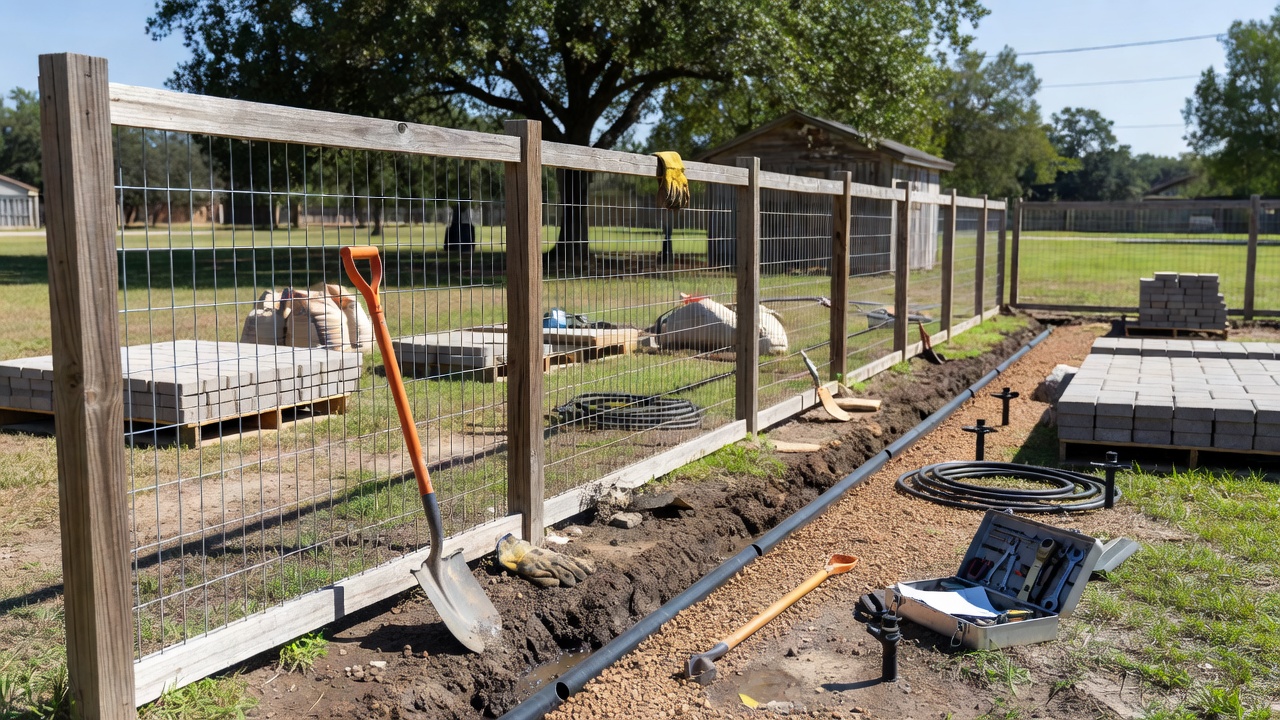
Fence Extension Drainage Pearland HOA 2026 Checks
Pearland clay soil holds water and shifts fences fast. Start drainage checks before any fence extension to avoid HOA fines and water pooling on your lot.
Backyard Planner gives 2026 rough planning ranges tuned for greater Houston area yards. This planning estimate — not a quote — flags the extra base prep and drainage steps local soil demands.
Key takeaways
- Verify HOA rules first
- Test soil drainage on site
- Add 4–6 inches of base material
- Route water away from neighbors
- Document every step for permits
Check Pearland HOA Rules Before You Dig
Pearland HOAs often require written plans for fence extensions. Contact your HOA board and request the current fence and drainage guidelines in writing.
- Submit site photos showing current grade
- Note any existing swales or French drains
- Confirm height and material limits
- Ask about neighbor notification rules
- Record response dates in your file
Review the full TDLR licensing requirements for contractors on the official TDLR licensing requirements for contractors site before hiring anyone.
Run On-Site Drainage Tests in Clay Soil
Clay soil in Pearland compacts and sheds water slowly. Dig three test holes along the planned fence line and fill them with water.
- Mark hole locations on a simple sketch
- Fill each hole to the top
- Time how long water takes to drop six inches
- Repeat after 24 hours
- Flag any hole that drains slower than one inch per hour
Slow drainage means you need extra gravel and a swale or pipe to move water. Add these timed tests to your project log so contractors see the exact conditions.
Compare Fence Extension Options for Clay Soil
| Option | Base Depth Needed | Drainage Add-On | 2026 Rough Range per Linear Foot |
|---|---|---|---|
| Wood privacy | 6–8 inches | Swale or pipe | $18–$32 |
| Vinyl | 8–10 inches | French drain | $22–$38 |
| Metal | 6 inches | Slope re-grade | $15–$28 |
Choose the option that matches your HOA material rules and your lot slope. Compare these ranges with sprinkler or fence cypress 2026 clay soil ranges for similar greater Houston area properties.
Meet MUD or HOA Permit Steps
Most Pearland MUDs and HOAs require a permit sketch for fence extensions. Draw the new line, show finished grade, and note where water will exit the lot.
- Include a simple drainage arrow on the plan
- Attach photos of current standing water spots
- List TDLR or licensed contractor details if required
- Keep copies of every submission
- Follow up after 10 business days
See how similar checks appear in paver patio vs fence extension Houston clay soil projects.
Add Clay-Soil Aware Base Prep
Extra base prevents posts from leaning after heavy rain. Plan on 4–6 inches of crushed limestone plus landscape fabric.
- Remove existing sod and topsoil
- Compact each 2-inch lift of gravel
- Slope the finished grade 1 inch per 4 feet away from the house
- Install a 4-inch perforated pipe if water pools
- Backfill with native soil only after inspection
Check the Houston Permitting Center fence guidelines at the Houston Permitting Center fence guidelines for additional local requirements.
Coordinate Drainage with Neighbors and MUDs
Fence extensions often change how water moves across lot lines. Talk to neighbors early and note any shared swales or low spots.
- Walk the property line together and photograph current flow
- Ask if they have existing drainage complaints
- Mark proposed outlet points on both sides
- Confirm MUD rules on shared easements
- Get neighbor sign-off if your HOA demands it
- Re-test drainage after any grade change
Link these notes to your permit packet so MUD inspectors see you addressed cross-lot flow.
Review 2026 Rough Planning Ranges for Pearland
Public 2026 data shows fence extensions in Pearland clay soil areas run higher than flat lots because of added drainage work. Factor in extra base, pipe, and labor when your soil test shows slow drainage.
- Budget 15–25 percent more for base prep on heavy clay
- Add $3–$6 per foot for a basic swale
- Expect permit fees between $75 and $200 depending on HOA
- Include native Texas plants along the swale for erosion control
- Compare three bids that each list drainage items separately
Use these ranges only as a planning estimate — not a quote.
Export Your Planning Estimate
Use Backyard Planner to build a materials list and permit notes for your Pearland lot. Export the PDF and take it to three licensed contractors.
Visit Backyard Planner to generate your own clay-soil aware estimate.
Avoid Common Drainage Mistakes
- Do not set posts directly in clay without gravel
- Do not slope the fence toward a neighbor
- Do not skip the HOA pre-approval step
- Do not use topsoil alone as backfill
- Do not ignore standing water after a rain test
Next Steps
- Pull your HOA fence guidelines today
- Run the three-hole drainage test this weekend
- Sketch the extension with drainage arrows
- Export your 2026 planning estimate
- Call two TDLR-licensed fence crews for written bids
Always treat these numbers as a planning estimate — not a quote. Get multiple written local quotes from pros who know your MUD or HOA rules.
FAQ
How deep should fence post bases go in Pearland clay?
Most extensions need 24–30 inches of depth plus 6 inches of gravel at the bottom. Confirm with your HOA before you start.
Does Pearland require a permit for a 6-foot fence extension?
Yes. Submit a site plan that shows drainage direction to both the HOA and your MUD.
What happens if water flows onto a neighbor after the fence goes in?
You may face HOA fines and removal orders. Fix the grade before the fence is installed.
Can I use native Texas plants to help drainage?
Yes. Plant them in the swale area to slow runoff and meet some HOA landscaping rules. See Pearland pond native plants planning steps for plant choices that work in local clay.
How often should I re-check drainage after the fence is built?
Inspect after the first three heavy rains and again each spring. Add gravel or adjust the swale if water starts to pool.