October 4, 2026
Woodlands Paver Patio vs Fence: Clay Soil 2026
Compare woodlands paver patio vs fence extension options in clay soil for 2026. Review clay-soil aware planning estimates, drainage steps, and MUD or HOA chec
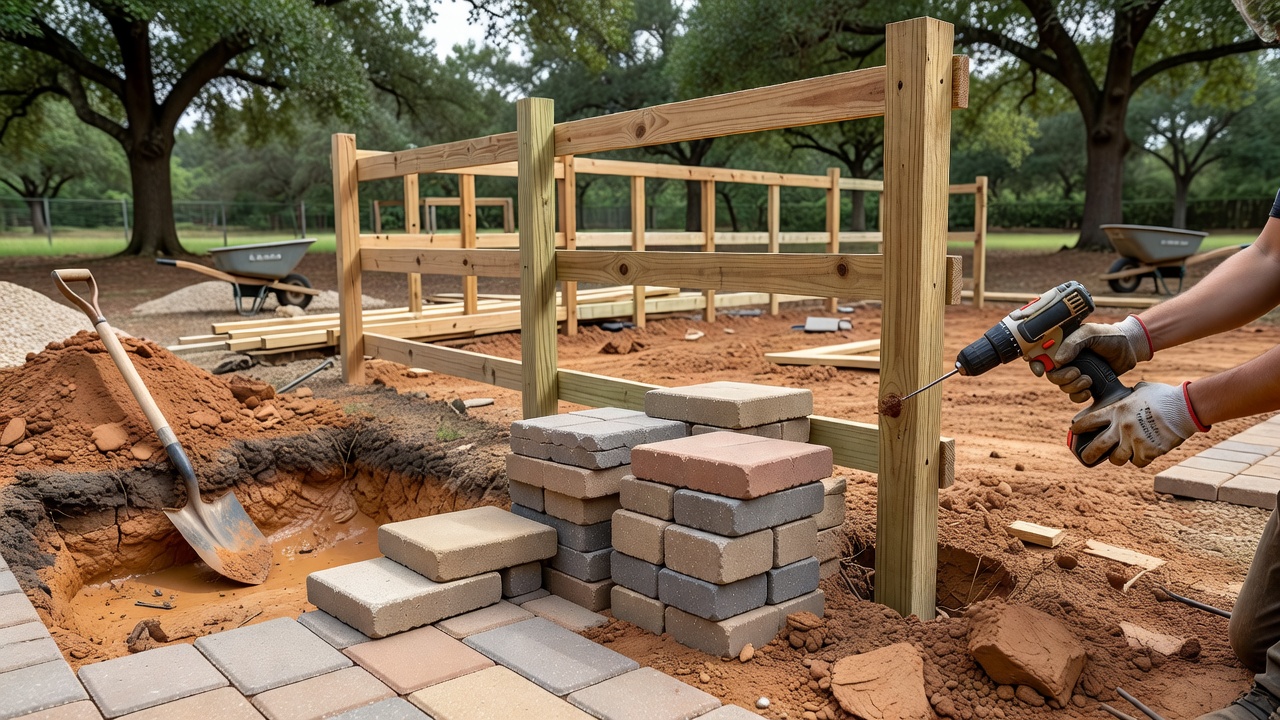
Woodlands Paver Patio vs Fence: Clay Soil 2026
A paver patio adds usable space while a fence extension adds privacy and security. In The Woodlands clay soil, both projects start with extra base prep and drainage work that raises costs above national figures.
Run a clay-soil aware planning estimate first. Then compare the ranges against bids from TDLR-licensed contractors who know your MUD or HOA rules.
Key takeaways
- Clay soil demands deeper base layers for both projects.
- Drainage fixes often cost more than the surface work itself.
- MUD and HOA approvals add weeks before any digging starts.
- Planning estimates help you spot overbids quickly.
Clay Soil Realities in The Woodlands
The Woodlands sits on heavy clay that holds water and shifts with seasons. Paver patios need 6–8 inches of compacted base plus geotextile fabric. Fence extensions require deeper post holes filled with gravel and concrete to resist heave.
- Check soil tests from your county extension office before finalizing plans.
- Add French drains or swales if your yard slopes toward the house.
- Expect 15–25 percent extra material for clay prep on both projects.
- Monitor seasonal moisture changes that crack foundations near patios.
- Test compaction density after each lift to avoid future settling.
Review USDA Natural Resources Conservation Service soil data for local clay characteristics before ordering materials.
2026 Rough Planning Ranges
Public 2026 data shows these starting points for greater Houston area yards. Use them only as benchmarks.
| Project | Base Range per Linear Foot or Sq Ft | Clay Soil Add-On | Typical MUD/HOA Notes |
|---|---|---|---|
| Paver Patio | $12–$28 per sq ft | +$4–$7 per sq ft for base and drainage | Permit drawings and setbacks often required |
| Fence Extension | $18–$35 per linear ft | +$6–$10 per linear ft for deeper posts | Height limits and material rules common |
These are planning estimates — not a quote. Always obtain three written bids from licensed locals.
Drainage and Prep Steps You Must Add
Skip drainage and you create standing water problems. Follow this order for either project.
- Mark utilities and call 811.
- Test percolation in two spots.
- Install temporary silt fence.
- Excavate to required depth plus 4 inches.
- Lay geotextile and compact 4-inch lifts of crushed limestone.
- Slope finished grade 1 percent away from structures.
- Paver patio: Add edge restraints rated for clay expansion.
- Fence extension: Set posts 36 inches deep minimum with gravel collar.
- Install check valves on any nearby irrigation lines.
- Verify final grade with a laser level after compaction.
Follow EPA stormwater management practices when routing runoff from new patios or fence lines.
MUD and HOA Permit Checks
Most Woodlands neighborhoods fall under a MUD or strict HOA. Start here.
- Download your MUD rules from the district website.
- Submit site plan showing setbacks and drainage.
- Confirm fence height and material restrictions.
- Request paver color and pattern approval if required.
- Allow 3–6 weeks for review before scheduling work.
- Prepare revised drawings if inspectors flag drainage shortfalls.
Check the Texas Department of Licensing and Regulation requirements for current licensing on fence and hardscape contractors.
Woodlands sprinkler system clay soil drainage steps shows similar MUD steps that apply to patios and fences.
Sequencing the Projects
Order matters when both projects share the same yard.
- Install fence first if it defines the patio edge.
- Run paver patio first if the fence will sit on the new slab.
- Coordinate drainage lines so they serve both.
- Schedule during drier months to reduce clay tracking.
- Backfill fence trenches only after patio base compaction passes inspection.
Deciding backyard project order Houston clay soil walks through common sequences for greater Houston yards.
Using Planning Estimates to Compare Bids
Print the PDF export with materials and labor breakdowns. Take it to three contractors.
- Line-item every clay prep task.
- Ask how they handle MUD inspections.
- Compare total per square foot or linear foot after add-ons.
- Reject bids missing drainage or permit fees.
- Verify subcontractor insurance before signing.
Using planning estimates to compare local bids explains how to turn the numbers into decision tools.
Common Mistakes in Woodlands Yards
Homeowners repeat these errors every season.
- Underestimating base depth on clay.
- Ignoring HOA color rules for pavers or fence stain.
- Placing fence posts too shallow.
- Forgetting to slope patio away from the foundation.
- Starting work before MUD approval.
- Overlooking utility conflicts near existing sprinklers.
Material and Labor Breakdown for Each Option
Break costs into clear categories to avoid surprises.
Paver Patio Checklist
- Excavation and haul-off: 20–30 percent of total.
- Crushed limestone base: 25–35 percent.
- Pavers and sand: 15–25 percent.
- Edge restraints and fabric: 5–10 percent.
- Labor for compaction and layout: 20–30 percent.
Fence Extension Checklist
- Posts and concrete: 30–40 percent.
- Panels or pickets: 25–35 percent.
- Deeper excavation for clay: 15–20 percent.
- Gates and hardware if added: 10–15 percent.
- Labor and post setting: 20–25 percent.
Paver patio costs Katy MUDs 2026 clay soil checks and Pearland fence extension clay soil prep steps 2026 provide neighborhood-specific material lists.
Maintenance and Longevity in Clay Soil
Clay movement affects both projects differently over five years.
- Re-level paver sections annually where water pools.
- Inspect fence post bases each spring for heave cracks.
- Re-seal pavers every two years to limit moisture intrusion.
- Trim vegetation along fence lines to reduce root pressure.
- Clear drainage swales after heavy rains to prevent backup.
Native Plants and Finishing Touches
Finish both projects with plants that tolerate clay and local drainage patterns.
- Choose native Texas plants along fence lines for low water use.
- Add rain gardens at low points to manage runoff.
- Mulch beds 3 inches deep to reduce erosion onto pavers.
- Space plants 18 inches from fence posts to allow airflow.
Next Steps
Open the tool at Backyard Planner and enter your Woodlands address. Export the PDF with clay-soil aware ranges for both a paver patio and fence extension. Use that document to brief three TDLR-licensed contractors and request written bids that match your MUD or HOA rules.
- Run separate estimates for each project first.
- Cross-check drainage plans against your lot survey.
- Schedule MUD pre-application meetings early.
- Collect three bids within the same two-week window.
- Compare line items against your exported materials list.
FAQ
How much extra does clay soil add to a Woodlands paver patio?
Expect $4–$7 per square foot above standard base costs for deeper excavation, fabric, and drainage.
Do I need MUD approval for a fence extension?
Yes. Most Woodlands MUDs and HOAs require drawings and height checks before any post hole is dug.
Which project should come first?
Install the fence first when it will form the patio boundary. Run the patio first when the fence will attach to the new surface.
Are these numbers exact quotes?
No. The figures are 2026 planning estimates — not a quote. Get multiple written bids from licensed local contractors.
Where do I find TDLR licensing info?
Check the official TDLR site at https://www.tdlr.texas.gov/ for current licensing requirements on fence and hardscape work.