September 21, 2026
Pearland Fence Extension Clay Soil Prep Steps 2026
Learn fence extension clay soil prep pearland steps for 2026. Review clay-soil aware drainage checks, HOA permit notes, and rough planning ranges before conta
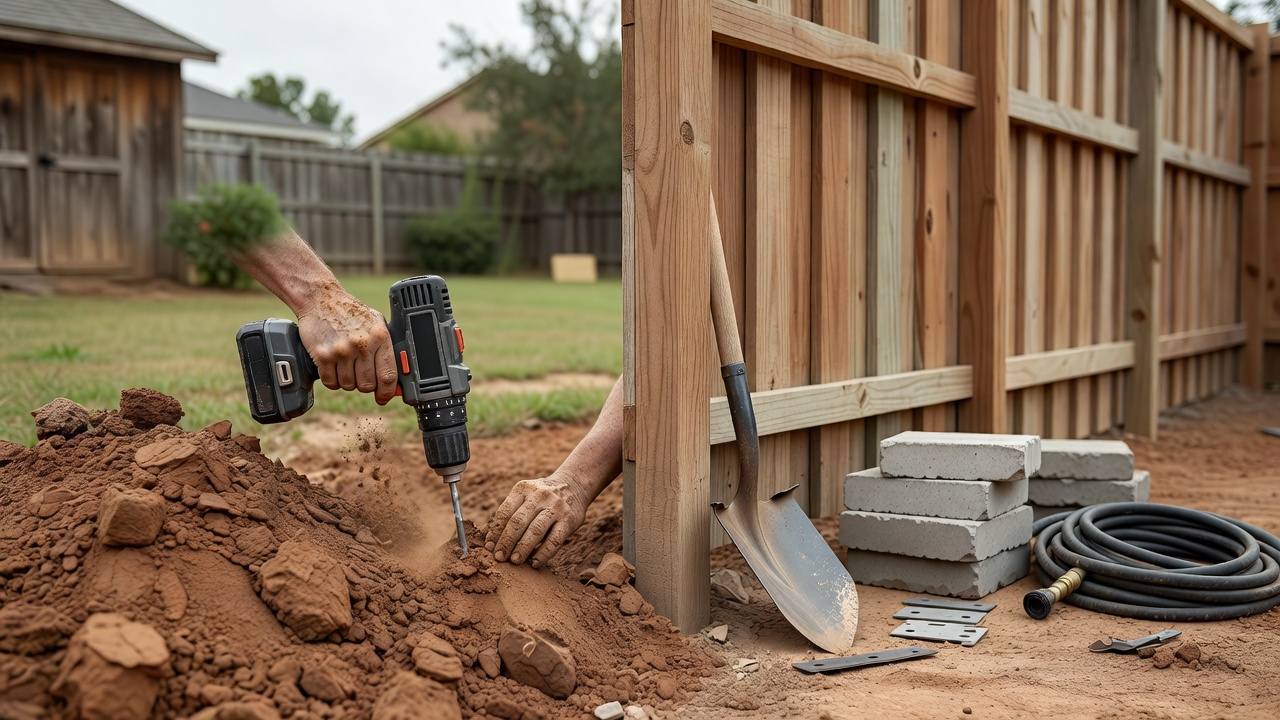
Pearland Fence Extension Clay Soil Prep Steps 2026
Extending a fence in Pearland starts with the clay. Heavy local soil demands extra base work and drainage fixes before any posts go in. Run these checks first so your project stays on budget and avoids HOA or MUD violations.
Key takeaways
- Clay soil in Pearland expands and contracts, cracking shallow footings.
- Drainage must slope away from the new fence line.
- Permits from HOA, MUD, or city often require soil reports.
- 2026 planning ranges help you compare bids but remain estimates only.
- Export a materials list from Backyard Planner before you call contractors.
Clay Soil Realities for Pearland Yards
Pearland clay holds water and swells after rain. This movement pushes fence posts out of plumb within two seasons. Test your soil by digging a 12-inch hole and filling it with water. If it drains in under four hours, you still need extra gravel and fabric. Local soil surveys show high plasticity indices that demand deeper footings and fabric barriers.
- Dig test holes at each planned post location.
- Note standing water after a storm.
- Measure slope from house to fence line.
- Record any existing French drains nearby.
- Check for shrink-swell potential using simple ribbon tests.
- Observe how nearby fences have settled over time.
Review Texas A&M AgriLife soil management resources for clay-specific expansion data before finalizing post depths.
Drainage Realities Before Fence Work
Poor drainage turns clay into mud that undermines new footings. Slope the ground 6 inches over 10 feet away from the fence. Install a perforated pipe behind the new posts if water pools. Edge cases include lots with rear-yard swales that must remain clear of new fence lines.
- Walk the line after heavy rain.
- Mark low spots with flags.
- Plan a shallow swale or catch basin.
- Add 4 inches of crushed limestone base under each post.
- Verify outlet points do not direct water onto neighboring properties.
Run clay-soil aware drainage checks for fence extension drainage pearland hoa projects.
HOA Permit Notes and MUD Rules
Most Pearland neighborhoods sit inside an MUD or HOA. These groups require drawings that show post depth and drainage. Submit plans at least 30 days before work starts. Some HOAs limit fence styles or require matching existing materials on extensions.
- Check your deed restrictions first.
- Include a site plan with fence height and gate locations.
- Note TDLR licensing for any irrigation changes.
- Keep copies of approved permits on site.
- Confirm whether your MUD charges inspection fees.
Consult the City of Pearland permitting portal for current fence and drainage submittal checklists.
Utility and Safety Checks Before Digging
Texas law requires calling 811 at least two full business days before any excavation. Mark the fence line with white paint or flags so locators can respond accurately. Clay soil often hides old irrigation lines and gas stubs that shift with seasonal movement.
- Call 811 and wait for all utilities to mark.
- Hand-dig within 18 inches of any marked line.
- Wear eye protection when mixing concrete.
- Have a spotter when setting long panels.
- Keep a first-aid kit and charged phone on site.
- Stop work immediately if you hit an unmarked line.
2026 Planning Ranges for Fence Extensions
Public 2026 data shows rough planning ranges of $18–$38 per linear foot for 6-foot privacy fence in clay soil. Add $4–$7 per foot for extra base prep and drainage pipe. These figures cover materials and labor but stay planning estimates — not a quote; always get multiple written local quotes. Prices rise when crews must import extra fill dirt or rent compactors for dense clay.
| Item | Low Range | High Range | Clay-Soil Add-On |
|---|---|---|---|
| Posts and panels | $12 | $22 | +$3 |
| Concrete footings | $4 | $8 | +$2 |
| Drainage pipe & gravel | $2 | $5 | Required |
| Permit & inspection | $0 | $3 | Often required |
| Compactor rental | $0 | $2 | Common in clay |
Step-by-Step Clay Soil Prep
Follow this sequence before the crew arrives. Each step accounts for the way Pearland clay retains moisture and moves with temperature swings.
- Mark the exact fence line with string.
- Dig post holes 24–30 inches deep and 12 inches wide.
- Line each hole with landscape fabric.
- Add 4 inches of gravel at the bottom.
- Set posts in concrete mixed with 10 % fly ash for clay stability.
- Backfill and compact in 6-inch lifts.
- Grade the final surface to drain away from the fence.
- Allow 48 hours cure time before attaching panels.
Materials and Tool Checklist for Clay Work
Gather these items ahead of time to avoid delays when clay conditions change mid-project.
- 4-inch perforated drain pipe and fittings
- Non-woven landscape fabric rolls
- Crushed limestone or gravel base material
- Concrete with fly ash additive
- Hand tamper or plate compactor
- Post level and string line
- Safety glasses and gloves
- 811 locate flags and white paint
Common Mistakes to Avoid
- Skipping the fabric layer lets clay mix with gravel.
- Using 18-inch holes instead of 24 inches.
- Ignoring HOA height rules on corner lots.
- Placing posts before checking for underground utilities.
- Forgetting to slope the finished grade.
- Overlooking seasonal shrink-swell when backfilling.
Compare Fence Extensions to Other Houston Projects
Fence work often overlaps with sprinkler or patio plans. Review these options to decide what comes first.
- Compare paver patio vs fence extension Houston options with clay soil drainage in mind.
- Learn how native plants support Houston fence extensions in clay soil.
- Compare sprinkler or fence cypress options for clay soil yards in 2026.
Export Your Planning Estimate
Backyard Planner builds a PDF with materials, labor, and permit notes tuned for greater Houston area clay. Download the file, then compare it against bids from licensed pros who know your MUD or HOA rules.
Plan your project at the main site.
Next Steps
- Run the clay-soil test holes this weekend.
- Pull your HOA and MUD guidelines.
- Export the PDF with your lot dimensions.
- Call three TDLR-licensed fence crews for written bids.
- Schedule work after the next dry spell.
FAQ
How deep should fence posts sit in Pearland clay?
Plan 24–30 inches minimum. Add extra gravel at the base and compact the backfill.
Do I need an HOA permit for a fence extension?
Yes in most Pearland neighborhoods. Submit drawings that show drainage and post depth.
What 2026 planning ranges apply to fence extensions?
Expect $18–$38 per linear foot plus $4–$7 for clay-soil drainage work. These remain planning estimates — not a quote.
How do I handle drainage around the new fence line?
Slope the ground 6 inches over 10 feet and add perforated pipe behind posts where water pools.
Can I plant along the new fence?
Use native Texas plants that tolerate clay and improve drainage. See the linked guide for species lists.