October 7, 2026
Sprinkler vs Fence Woodlands Clay Soil 2026 Planning
Compare sprinkler vs fence options in Woodlands clay soil for 2026. Get clay-soil aware planning estimates, drainage steps, MUD rules, and next actions before
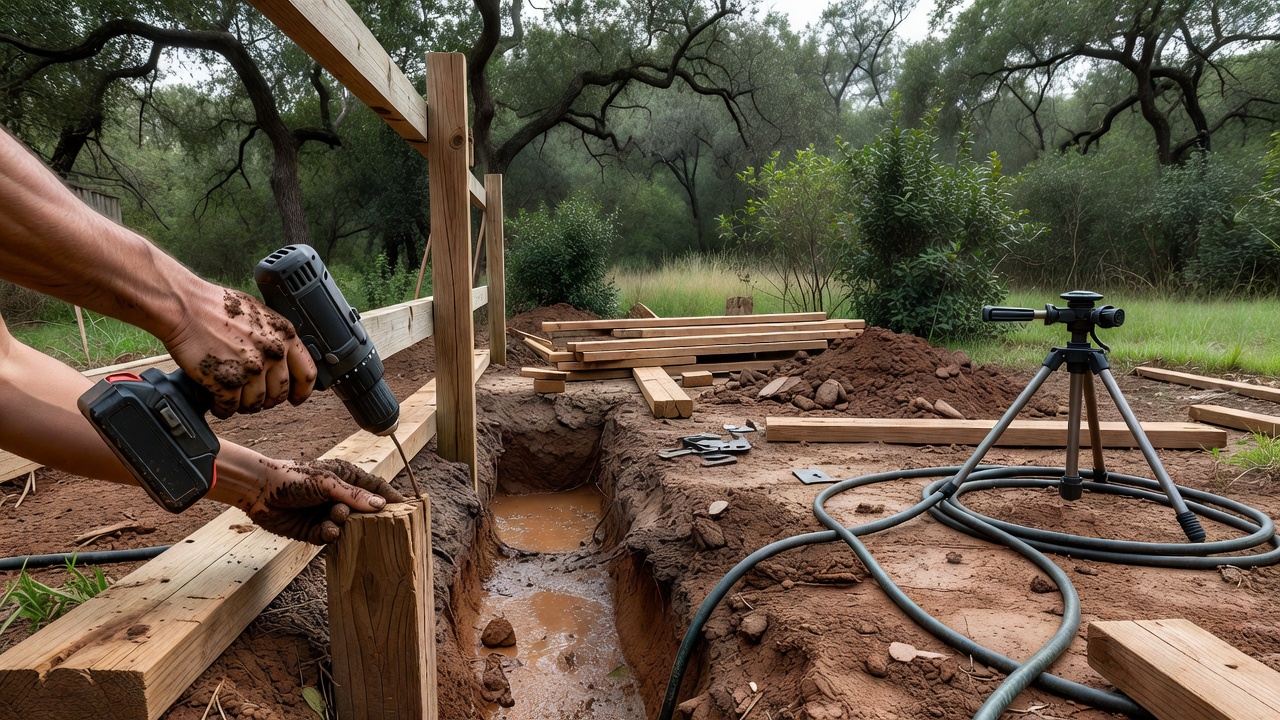
Sprinkler vs Fence Woodlands Clay Soil 2026 Planning
Woodlands clay soil forces extra drainage work on both sprinkler systems and fence extensions. Start by running clay-soil aware planning estimates for your yard before any permit or bid. This comparison uses public 2026 data tuned to greater Houston area conditions.
- Clay soil expands and contracts, shifting bases.
- Drainage must slope away from structures.
- MUD and HOA rules add steps in The Woodlands.
Key takeaways
- Sprinklers need deeper trenching and backflow checks.
- Fences require wider footings to resist heave.
- Both projects share permit reviews.
- Always treat estimates as planning tools only.
Sprinkler vs Fence Woodlands Clay Soil Basics
Run the numbers on your specific lot first. Clay soil drainage dictates where each project can go without pooling water. Measure twice and note every existing utility before you dig.
- Check your MUD district map for exact boundaries.
- Measure slope from house to property line at three points.
- Note existing irrigation lines and their depths.
- List HOA fence height limits and material restrictions.
- Identify low spots that collect water after rain.
- Sketch a rough layout showing both sprinkler zones and fence lines.
Woodlands Clay Soil Drainage Realities
Clay holds water and cracks when dry. Both sprinklers and fences must account for this movement to avoid future settling or cracked concrete.
- Dig test holes 12 inches deep in two spots.
- Observe water absorption over 24 hours.
- Add French drains if standing water appears after testing.
- Use 4-6 inches of gravel base under fence posts.
- Slope all trenches 1/8 inch per foot away from the house.
- Backfill with amended soil mixed with sand where possible.
Review USDA soil survey data for Harris County to confirm your exact soil series before final layout. USDA soil survey data for Harris County shows most Woodlands lots fall into heavy clay categories that demand extra base prep.
Testing Soil Before Starting Work
Simple field tests reveal how much extra drainage your yard needs. Skip this step and you risk water backing up against the house foundation.
- Take soil samples from four corners of the planned work area.
- Squeeze a handful; if it forms a tight ball it is clay-heavy.
- Time how long water takes to drain from a 6-inch hole.
- Note any visible cracks that open in dry weather.
- Record results on your planning estimate sheet.
These checks feed directly into the 2026 ranges and help you decide sprinkler head spacing or fence post depth.
2026 Rough Planning Ranges
These are planning estimates — not a quote. Local bids will vary with site access and current material prices. Clay soil prep adds the largest variable.
| Feature | Low End per Linear Ft | High End per Linear Ft | Extra Clay Soil Step |
|---|---|---|---|
| Sprinkler System | $8 | $18 | Trenching plus drainage tile |
| Fence Extension | $25 | $45 | Wider footings and gravel |
- Add 15-20% for MUD permit fees and inspections.
- Factor native Texas plants around sprinkler heads to reduce runoff.
- Budget for TCEQ backflow testing on every irrigation install.
- Include 10% contingency for unexpected rock or roots.
- Adjust totals if your lot slopes more than 5%.
Permit and MUD Rules in The Woodlands
The Woodlands MUD districts require drainage plans for any irrigation or fence work. Submit drawings that show clay-soil aware grading and outlet locations.
- Contact your specific MUD office first for current forms.
- Include TDLR licensed irrigator stamp for sprinklers.
- Verify HOA fence material rules and color restrictions.
- Allow 4-6 weeks for reviews and possible revisions.
- Keep copies of all approved plans with your estimate export.
Review TCEQ irrigation rules before you hire anyone. Review TCEQ irrigation rules to confirm licensing requirements that apply to Woodlands installs.
TCEQ Licensing for Irrigation Installers
Only properly licensed professionals can pull irrigation permits in most MUD districts. Verify credentials early to avoid rework.
- Ask for current TDLR license number and expiration date.
- Confirm the company carries required insurance.
- Request references from recent Woodlands clay soil jobs.
- Compare how each bidder plans to handle backflow prevention.
- Reject any bid that skips drainage notes or clay prep details.
Texas A&M native plant recommendations help pair the right species with your new sprinkler layout. Texas A&M native plant recommendations list varieties proven to thrive in local clay without extra water.
Native Texas Plants Impact
Native plants reduce irrigation demand and root pressure on fence lines. Choose species already adapted to periodic wet and dry cycles.
- Select drought-tolerant species rated for clay soils.
- Place them 18 inches from sprinkler heads to avoid overspray.
- Avoid deep-rooted trees within 10 feet of fence posts.
- Mulch beds to slow runoff and retain moisture.
- Group plants by water needs to match zone settings.
- Replace invasive turf with natives along fence edges.
Deciding Project Order
Install drainage improvements before either project. Fences often come after sprinklers so heads can be adjusted around posts without cutting new trenches.
- Map all underground utilities with 811 locate.
- Install main drainage lines and outlets first.
- Run sprinkler main and laterals next.
- Set fence posts last once grades are final.
- Test the full system and adjust heads before backfilling.
Compare similar Woodlands paver patio vs fence clay soil choices to see sequencing patterns that work on comparable lots.
How to Compare Local Bids
Export a materials and labor list from Backyard Planner. Take it to three licensed pros who know Woodlands MUD rules and clay conditions.
- Confirm TDLR or TCEQ licensing on every bid you receive.
- Ask for clay-soil base details spelled out in writing.
- Reject bids without explicit drainage notes or photos.
- Re-run your planning estimate after each bid arrives.
- Track differences in base depth and gravel type.
- Note any warranty language covering soil movement.
Use planning estimates to compare local bids before signing any contract so you can spot lowball offers that skip necessary prep.
Next Steps
- Visit https://backyardplanning.app and generate your Woodlands clay-soil aware estimate.
- Export the PDF with permit checklists and material quantities.
- Call your MUD office with the printed drainage notes in hand.
- Schedule three site visits from licensed contractors only.
- Record every bid detail against your original ranges.
Planning estimates help you ask better questions. They never replace written bids from pros familiar with greater Houston area clay and drainage rules.
FAQ
How much extra does clay soil add to a Woodlands sprinkler install?
Expect 10-15% more for deeper trenching and drainage tile compared to sandy soil lots.
Do I need separate permits for fence and sprinkler in The Woodlands?
Yes. Most MUD districts treat irrigation and fence work as separate reviews even when done together.
Can native Texas plants reduce my sprinkler needs?
Yes. Drought-tolerant natives cut runtime and lower root interference with fence footings.
What TDLR rules apply to Woodlands fence extensions?
Fences under 8 feet usually need only HOA approval, but any attached gate or electrical work triggers TDLR review.
Should I run the sprinkler or fence project first?
Complete drainage and sprinkler layout before setting fence posts so heads stay clear of the new line.