August 31, 2026
Katy Fence Extension Clay Soil MUD Checks 2026
Plan your Katy fence extension in clay soil with 2026 rough ranges, MUD permit notes, and drainage steps for greater Houston area yards. Review clay-soil awar
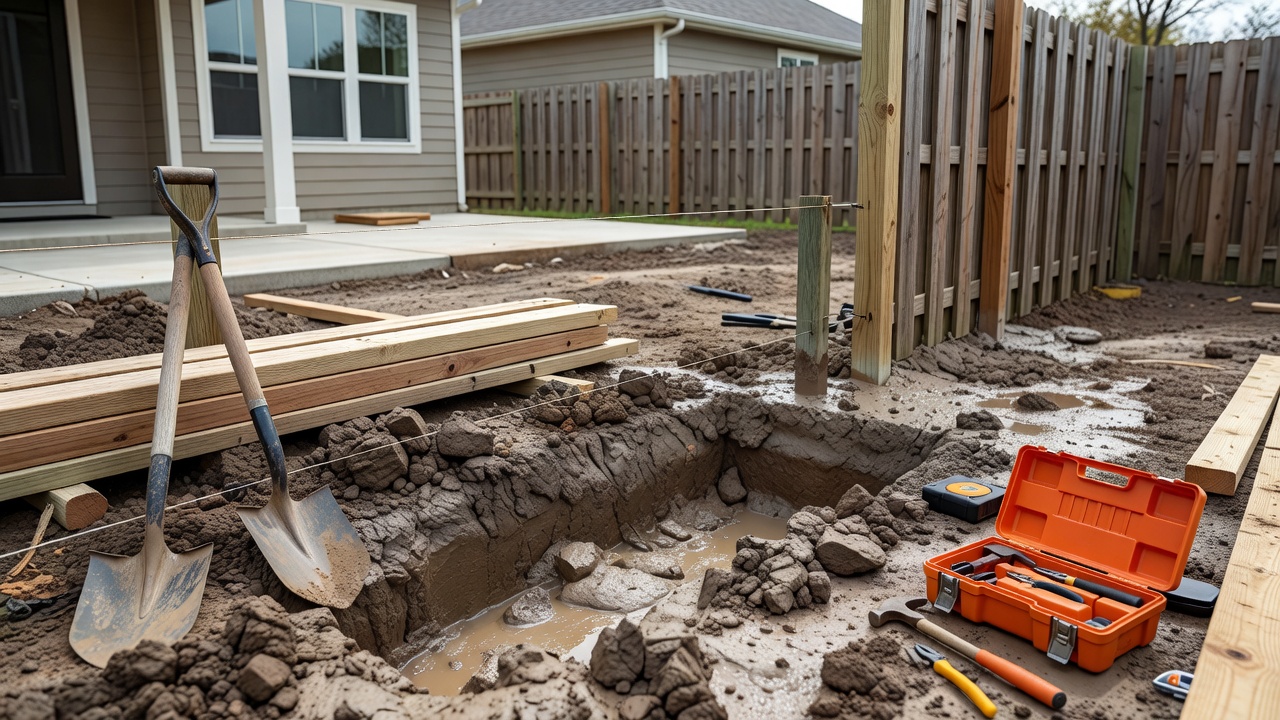
Katy Fence Extension Clay Soil MUD Checks 2026
Start with clay soil checks before extending any fence in Katy. Clay holds water and shifts, so drainage steps come first in every 2026 planning estimate for greater Houston area yards.
Key takeaways
- Clay soil demands extra base depth and drainage in Katy MUD zones.
- 2026 rough ranges start at $25 per linear foot and rise with permit work.
- Always treat this as a planning estimate — not a quote; always get multiple written local quotes.
- MUD and HOA rules often require licensed TDLR contractors.
- Test soil moisture before digging to avoid shifting posts.
- Factor in easement setbacks that many Katy MUDs enforce.
Clay Soil Drainage Checks for Katy Fence Extensions
Katy yards sit on heavy clay that expands when wet. Test your soil moisture at two feet deep before any post hole work. This step reveals whether water will pool around new posts and cause lean or rot within a season.
Do this first:
- Dig test holes every ten feet along the fence line.
- Check for standing water after rain.
- Note slope toward neighbors or streets.
- Record soil color and texture at each depth.
- Measure how quickly water drains from the test holes.
Not this:
- Skip tests and assume standard post depths.
- Ignore nearby MUD drainage easements.
- Rely on surface appearance alone.
Woodlands fence extension ranges tuned for clay soil show the same pattern in similar soil. Repeat checks after any heavy rain to confirm patterns.
2026 Rough Planning Ranges in Katy
Public 2026 data puts basic fence extensions at $25–$45 per linear foot in Katy clay soil. Add $8–$15 per foot for drainage French drains and extra base. These figures come from local material and labor trends adjusted for clay prep.
- 4-foot wood extension: $25–$32 per foot
- 6-foot privacy with gravel trench: $35–$45 per foot
- Vinyl on clay with MUD permit: $40–$55 per foot
- Metal panel extension: $30–$48 per foot
- Composite with full drainage: $50–$65 per foot
These numbers cover materials and labor only. They exclude permit fees that vary by MUD. Longer runs over 150 feet often drop per-foot costs by 10 percent once mobilization is covered.
MUD Permit Notes and TDLR Licensing
Katy MUDs require permits for any fence over six feet or near drainage ditches. Contact your specific MUD office first. Processing times run two to four weeks depending on the district.
Required checks:
- Verify property pins with the MUD plat.
- Confirm easement setbacks.
- Submit drainage plan if water flow changes.
- Provide contractor TDLR license number on the application.
- Pay any required inspection deposit.
Licensed contractors must hold current TDLR registration. Pearland fence extension clay soil project steps list similar MUD paperwork. Review your MUD website for the exact form before paying for plans.
Drainage Steps Before Building
Install drainage before posts go in. Clay soil turns post holes into ponds without proper outlets. Proper prep reduces future movement by half in most Katy yards.
- Grade the line to slope away from the house.
- Add 4-inch perforated pipe in gravel trench.
- Tie new drain into existing MUD system if allowed.
- Backfill with 6 inches of crushed limestone base.
- Compact in 4-inch lifts to prevent settling.
- Test flow with a garden hose before final backfill.
Repeat the test hole step after drainage work. Document each step with photos for your MUD file.
Post Installation Best Practices in Clay Soil
Set posts only after drainage passes inspection. Use concrete collars at the base but leave the top six inches open for water to escape. This hybrid approach works better than full concrete in expanding clay.
Quick checklist for posts:
- Use 4x4 or 6x6 pressure-treated lumber rated for ground contact.
- Place gravel at the very bottom for weep holes.
- Brace posts for 48 hours while concrete cures.
- Check plumb twice before final MUD sign-off.
Avoid driving posts with a sledge in clay because it compacts the soil and creates a water trap around each post.
Compare Fence Materials for Clay Soil
| Material | Base Depth Needed | Drainage Add-on | Clay Soil Risk |
|---|---|---|---|
| Wood | 24–30 inches | French drain | High rot if wet |
| Vinyl | 24 inches | Gravel only | Low movement |
| Metal | 30 inches | Pipe required | Corrosion in clay |
| Composite | 24–30 inches | Full trench | Medium expansion |
Choose based on your MUD drainage rules, not price alone. Wood remains popular but needs the most drainage attention in Katy.
Common Mistakes in Katy Yards
- Placing posts without checking MUD easement maps.
- Using dirt backfill instead of gravel in clay.
- Skipping neighbor notification for shared drainage.
- Assuming HOA rules match MUD rules.
- Digging during wet months when clay is saturated.
- Forgetting to call 811 for utility locates.
Cypress sprinkler MUD permit notes cover overlapping permit traps. Measure twice and confirm every easement before the first post hole.
TDLR and TCEQ Licensing Reminders
Fence work touching drainage often needs TDLR licensed irrigation or landscape irrigator oversight. Check status at the state site before signing. Many Katy MUDs will not approve plans without the license number listed.
See the TCEQ construction general permit page for any land disturbance over one acre. Also review the TDLR licensing requirements for contractors to confirm your crew meets current standards. Keep copies of all licenses with your permit packet.
Next Steps After Checks
- Run your lot through Backyard Planner for a clay-soil aware materials list.
- Export the PDF and take it to three licensed Katy contractors.
- Compare bids against the 2026 ranges above.
- Confirm final MUD sign-off before work starts.
- Schedule a post-install inspection with the MUD inspector.
Visit Backyard Planner main site for the full export tool. This keeps your project on track with local clay realities.
FAQ
How deep should posts go in Katy clay soil?
Plan 24–30 inches minimum plus drainage trench. Local MUD rules may require more.
Do all Katy fence extensions need MUD permits?
Most extensions near ditches or over six feet do. Call your MUD office with the address.
What is the 2026 cost range for a 100-foot Katy fence extension?
Expect $2,500–$5,500 including clay soil drainage. This remains a planning estimate — not a quote.
Can I skip drainage in my Katy yard?
No. Clay soil traps water and shifts posts within two seasons.
Which license should the contractor hold?
Look for active TDLR registration. TCEQ rules may also apply if drainage ties into public systems.