August 29, 2026
Pearland Fence Extension Clay Soil Drainage Checks 2026
Plan your Pearland fence extension clay soil project with 2026 drainage checks, MUD rules, and clay-soil aware steps. Review rough planning ranges before cont
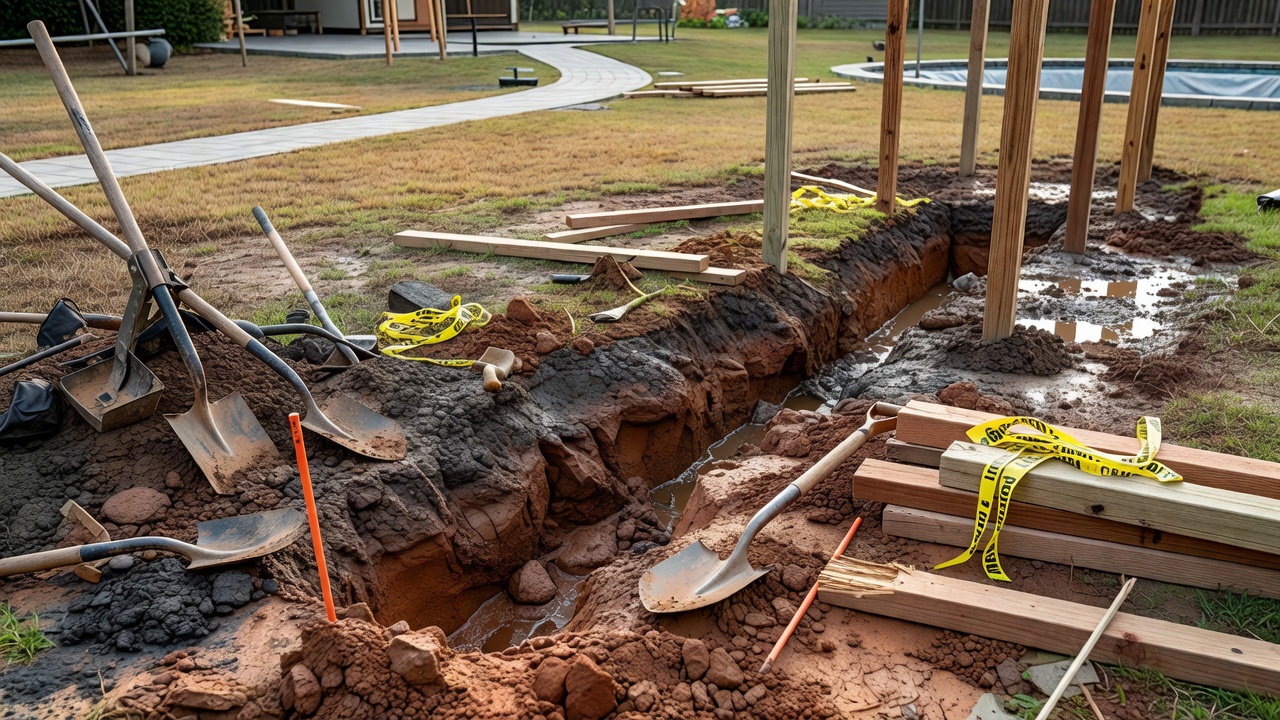
Pearland Fence Extension Clay Soil Drainage Checks 2026
Start by testing your Pearland yard's clay soil drainage before any fence extension. Clay holds water and shifts posts unless you add extra base prep and proper grading.
Backyard Planner delivers 2026 rough planning ranges tuned for greater Houston area conditions. This remains a planning estimate — not a quote. Always obtain multiple written bids from TDLR-licensed contractors who know your MUD or HOA rules.
Key takeaways
- Clay soil demands deeper post holes and drainage trenches in Pearland.
- MUD and HOA permits often require site plans showing water flow.
- 2026 ranges start higher than national numbers because of local soil prep.
- Export the PDF with materials lists before you call any contractor.
Check MUD and HOA Rules Before You Dig
Pearland fence extensions cross MUD or HOA lines in most neighborhoods. Submit your site plan first.
- Pull your property survey from the county.
- Confirm fence height and material limits in your deed restrictions.
- Verify drainage easements that run along side or rear yards.
- Note any required setbacks from utilities or sidewalks.
- Review neighborhood-specific height caps that often cap at 6 feet.
- Document existing fence lines to avoid encroachment disputes.
Review similar MUD permit steps in Katy fence extension drainage checks.
Check the official TDLR contractor licensing requirements before signing any agreement with a builder.
Clay Soil Prep Steps for Fence Posts
Clay expands when wet and cracks when dry. Post stability depends on extra base material.
- Dig holes 6–8 inches wider than the post.
- Add 4 inches of crushed limestone at the bottom.
- Compact each lift before adding the next layer.
- Slope the final grade away from the fence line by 1 inch per foot.
- Install a French drain stub if water pools near the new line.
- Backfill with a 3:1 sand-to-cement mix in the top 12 inches for extra grip.
Do this: test soil moisture with a simple probe before backfill. Not this: pour concrete directly into clay without a gravel base.
Additional prep items include marking underground utilities through 811 and ordering extra rebar for high-wind zones common in Pearland.
Drainage Checks Specific to Pearland Yards
Poor drainage turns fence lines into water traps after heavy rain.
- Walk the proposed fence route after a storm.
- Mark low spots that hold water longer than 24 hours.
- Check neighbor yards for existing swales or berms.
- Plan to tie new drainage into existing MUD outfalls.
- Measure slope with a 4-foot level across every 10-foot section.
- Install silt fencing during construction to protect adjacent properties.
Compare drainage needs with pond vs fence options in Cypress clay soil.
Review current TCEQ drainage and water quality guidelines for any tie-ins to public systems.
Fence Material Choices for Pearland Clay Conditions
Material selection affects long-term performance in shifting clay.
- Pressure-treated pine works when posts receive extra gravel collars.
- Cedar resists rot but costs 20 percent more in 2026 ranges.
- Vinyl panels need deeper footings to counter soil heave.
- Metal posts require concrete collars at least 24 inches deep.
- Composite rails reduce maintenance but demand precise leveling on uneven clay grades.
Always match material to your HOA color palette before ordering.
2026 Rough Planning Ranges for Pearland
These figures reflect local clay-soil prep and current labor rates. They exclude permits and engineering.
| Project Element | Low Range | High Range | Notes on Clay Soil |
|---|---|---|---|
| 6-ft wood fence extension | $28 per ft | $42 per ft | Extra gravel base adds 15% |
| Gate and post upgrade | $180 each | $310 each | Deeper footings required |
| Drainage trench addition | $12 per ft | $19 per ft | French drain tie-in to MUD system |
| Permit and inspection | $150 flat | $350 flat | Varies by MUD or HOA |
See 2026 fence ranges tuned for Woodlands clay soil.
Permit Process for Fence Extensions
Pearland requires permits even for simple extensions when the fence exceeds 4 feet.
- Submit a scaled drawing showing post spacing and drainage arrows.
- Include TDLR license numbers for the installing contractor.
- Schedule a pre-pour inspection for post holes in clay zones.
- Obtain final sign-off before staining or sealing.
- Provide neighbor notification letters if the extension runs along shared boundaries.
Visit the Pearland development services site for current application checklists and fees.
Common Mistakes Homeowners Make
Avoid these errors that drive up costs later.
- Skipping the percolation test on clay lots.
- Placing posts without gravel drainage layers.
- Ignoring HOA color and style rules.
- Starting work before MUD approval.
- Using standard concrete mix instead of fiber-reinforced in wet clay.
- Overlooking seasonal soil movement that cracks new posts within one year.
Compare Fence Extensions to Other Pearland Projects
Fence work often overlaps with sprinkler or shed plans. Review trade-offs before you commit.
- Fence extension: focuses on boundary drainage and post stability.
- Sprinkler system: requires separate valve boxes and backflow prevention.
- Gazebo or shed: needs larger footings and roof runoff control.
- Pond feature: adds liner and pump electrical runs that affect fence alignment.
Plan your Pearland sprinkler system with the same clay-soil steps.
Next Steps After You Run the Numbers
- Export the PDF checklist and materials list from Backyard Planner.
- Call three TDLR-licensed fence contractors in Pearland.
- Ask each for written bids that list clay-soil base prep separately.
- Confirm your MUD or HOA will accept the chosen drainage plan.
- Schedule soil tests if standing water appears after rain.
- Re-measure the exact linear footage after utility locates to avoid over-ordering.
Use these steps to move from rough planning ranges to real bids that fit your lot.
FAQ
Do Pearland fence extensions always need drainage checks?
Yes. Clay soil traps water along fence lines and shifts posts within two seasons unless you add gravel bases and proper slope.
How long does the MUD permit process take?
Most Pearland MUD reviews run 10–21 days once you submit a complete site plan with drainage details.
What 2026 range should I expect per linear foot?
Current rough planning ranges sit between $28 and $42 per foot when you include clay-soil base prep and drainage work.
Can I tie fence drainage into my existing sprinkler system?
No. Separate the lines. Sprinkler valves and backflow devices must stay independent per TCEQ rules.
Is Backyard Planner affiliated with any local contractor?
No. The tool stays independent and supplies planning estimates only. You must obtain your own written quotes from licensed pros.
Visit Backyard Planner to generate your Pearland fence extension PDF with clay-soil steps and permit notes.