November 10, 2026
Cypress Fence Native Plants 2026 Clay Soil Steps
Plan cypress fence native plants 2026 with clay-soil aware steps for greater Houston area fence extensions. Review drainage, MUD permits and rough planning ra
Cypress Fence Native Plants 2026 Clay Soil Steps
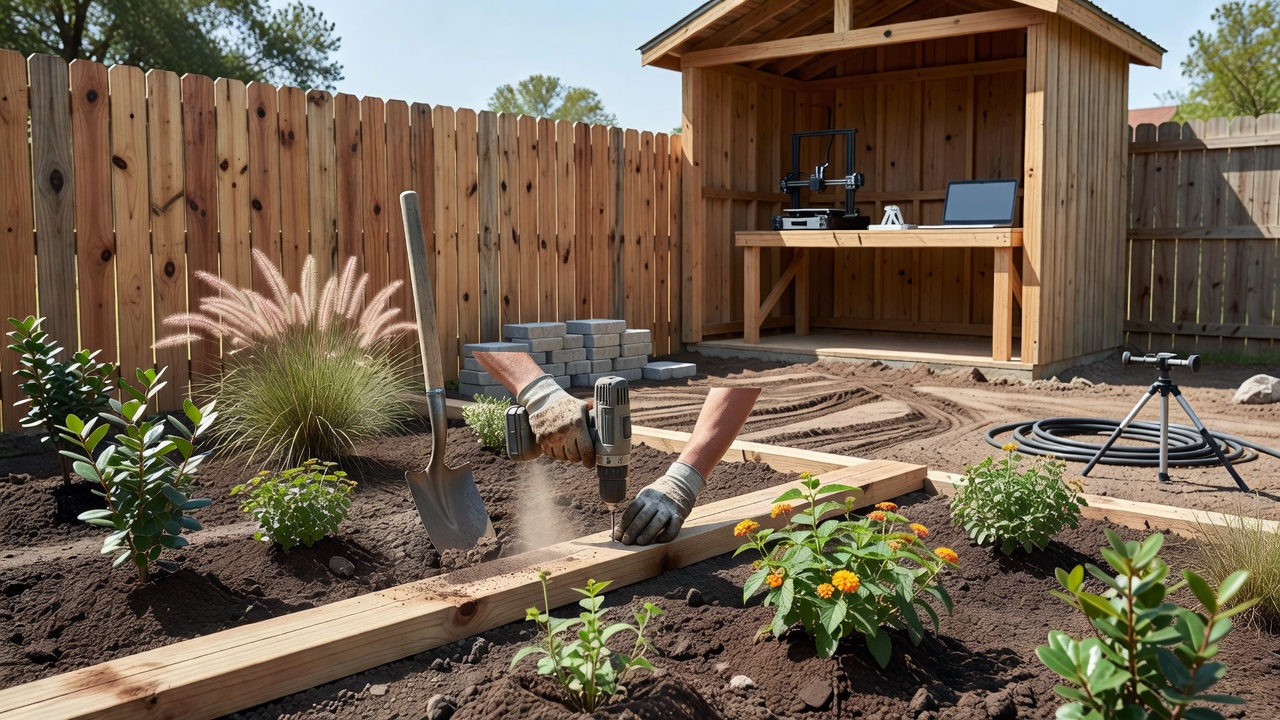
Start by mapping your Cypress fence extension line and checking local soil drainage before adding any native Texas plants. Clay soil in the greater Houston area holds water and compacts fast, so every step must address base prep and runoff first.
Run a planning estimate first. Backyard Planner shows rough 2026 ranges for fence extensions that include native plant zones, then export the materials list for your MUD or HOA review.
Key takeaways
- Clay soil demands extra base depth and drainage slopes on every fence extension.
- Native Texas plants cut irrigation needs once established.
- MUD and HOA permits often require drainage drawings before work starts.
- Always treat this as a planning estimate — not a quote; get multiple written local quotes.
- Test drainage with a hose after any base amendment to catch pooling early.
Check MUD and HOA Rules First
Cypress fence extensions cross multiple jurisdictions. Pull your property records and contact the local MUD before you dig.
- Verify fence height and setback limits
- Confirm drainage plan submission rules
- Note any native plant restrictions in HOA covenants
- Record utility locates on the site map
- Document existing sprinkler heads near the line
See the Woodlands fence extension drainage guide for similar MUD steps: woodlands fence extension drainage after sprinklers. Contact your MUD office directly for current 2026 submission forms.
Prep Clay Soil Along the Fence Line
Clay soil prep starts with removing sod and loosening the top 12 inches. Add 4–6 inches of decomposed granite or sand mix to improve drainage.
Do this:
- Mark the extension trench with string and stakes
- Excavate to 18 inches where plants will sit
- Slope the base 1 inch per 10 feet away from the house
- Compact the new base in 4-inch lifts
- Install perforated drain pipe if water pools longer than 24 hours
- Backfill with a 50/50 mix of native soil and amendment
Not this:
- Skip the slope and hope plants handle standing water
- Use only topsoil without drainage amendments
- Compact in single thick layers that trap moisture
Texas A&M AgriLife Extension offers free soil test kits that reveal exact clay percentages for your Cypress lot. Run a soil test through Texas A&M AgriLife.
Choose Native Texas Plants for Clay
Select plants that tolerate wet winters and dry summers common to Cypress. Focus on species that root deeply into amended clay.
- Texas sage for full sun edges
- Gulf muhly along the fence base
- Black-eyed Susan in partial shade pockets
- Yaupon holly for evergreen screening
- Prairie verbena for ground cover
- Inland sea oats for shaded fence corners
Compare plant traits in this table:
| Plant | Sun Needs | Clay Tolerance | Water Once Established | Height at 3 Years |
|---|---|---|---|---|
| Texas sage | Full | High | Low | 3–4 ft |
| Gulf muhly | Full | High | Low | 2–3 ft |
| Yaupon holly | Part–full | Medium | Low | 6–8 ft |
| Prairie verbena | Full | High | Low | 1 ft |
Link to the Cypress pond native plants article for more local species lists: cypress pond 2026 ranges with native texas plants. The Lady Bird Johnson Wildflower Center maintains a searchable database of plants proven in Houston-area clay. Search the Lady Bird Johnson Wildflower Center database.
Sequence Fence Work with Plant Installation
Install posts and rails first, then plant in the prepared beds. This order prevents heavy equipment from compacting new soil.
Steps:
- Set posts on 8-foot centers with concrete collars
- Attach rails and pickets
- Backfill plant zones with amended mix
- Plant natives at grade, not below
- Mulch 3 inches deep, keeping mulch off stems
- Water each plant deeply once after planting
See fence extension sequencing around sprinklers here: fence extension around sprinklers Houston clay soil steps.
Handle Drainage After Fence Extension
Clay soil pushes water sideways. Add French drains or swales every 20 feet along the new fence.
- Slope swales 2 percent toward the street or approved outlet
- Line swales with river rock where runoff is heavy
- Connect to existing yard drains if present
- Test flow after first heavy rain
- Add check dams in long runs to slow velocity
Review Sugar Land pond drainage rules for similar clay fixes: sugar land pond hoa drainage rules for clay soil 2026. The USDA Natural Resources Conservation Service provides clay soil drainage diagrams suitable for Houston lots. Download USDA clay drainage guidance.
Monitor Plant Establishment Through First Year
Native Texas plants need attention the first 12 months while roots reach into clay. Water weekly during the first summer dry spell, then reduce to monthly.
- Inspect mulch depth every 60 days and top up as needed
- Remove weeds before they set seed near the fence
- Check for fungal spots after prolonged rain
- Stake tall species like Gulf muhly if wind knocks them over
- Record survival rates by plant type for next season planning
TDLR maintains licensing records for irrigation and landscape professionals who can advise on establishment. Verify TDLR licensing status.
Track 2026 Rough Planning Ranges
Expect fence extension costs in Cypress to run $35–$65 per linear foot including native plant beds. Add $8–$15 per square foot for deeper clay prep and drainage pipe.
- Post and rail materials: 30 percent of total
- Labor and concrete: 40 percent
- Native plants and mulch: 15 percent
- Drainage amendments: 15 percent
Export the full Excel list with quantities and permit notes: export excel lists for houston backyard planning.
Use Backyard Planner for Your Site
Enter your Cypress address and fence length to generate a clay-soil aware materials list. The tool flags MUD permit notes and drainage steps specific to your lot.
Visit the planner here: Backyard Planner.
Common Mistakes to Avoid
- Planting before soil amendment settles
- Ignoring HOA review timelines
- Skipping utility locates near the fence line
- Using non-native species that need constant water
- Underestimating base depth on clay
- Over-mulching stems which invites rot
Conclusion
Measure your fence line, run the clay soil checks, then export the planning estimate before you call contractors. Compare those numbers against three written bids from TDLR-licensed pros who know your MUD rules. Cypress fence native plants 2026 projects succeed when drainage comes first.
Next steps
- Pull your MUD and HOA documents this week
- Mark the extension and test drainage with a hose
- Choose three native plants from the list above
- Export the PDF or Excel file from Backyard Planner
- Schedule bids only after the estimate matches your budget
- Schedule a follow-up soil test after the first winter
Planning estimate — not a quote; always get multiple written local quotes.
FAQ
How deep should I amend clay soil for native plants?
Dig 12–18 inches and mix in 4–6 inches of sand or decomposed granite to improve drainage before planting.
Do I need a permit for fence extensions in Cypress?
Most MUDs and HOAs require drainage plans and height approvals; submit drawings before any posts go in.
Which native plants survive Houston clay best?
Texas sage, Gulf muhly, and yaupon holly root well once the base is sloped and amended.
Can I plant right after the fence is built?
Yes, but backfill plant beds only after posts cure and equipment is off the site.
Where do I find 2026 cost ranges for Cypress?
Use Backyard Planner to generate clay-soil aware ranges, then verify with local licensed contractors.