November 3, 2026
Woodlands Fence Extension Drainage After Sprinklers 2026
Plan woodlands fence extension drainage after sprinklers in 2026 with clay-soil aware steps for the greater Houston area. Review rough planning ranges, HOA pe
Woodlands Fence Extension Drainage After Sprinklers 2026
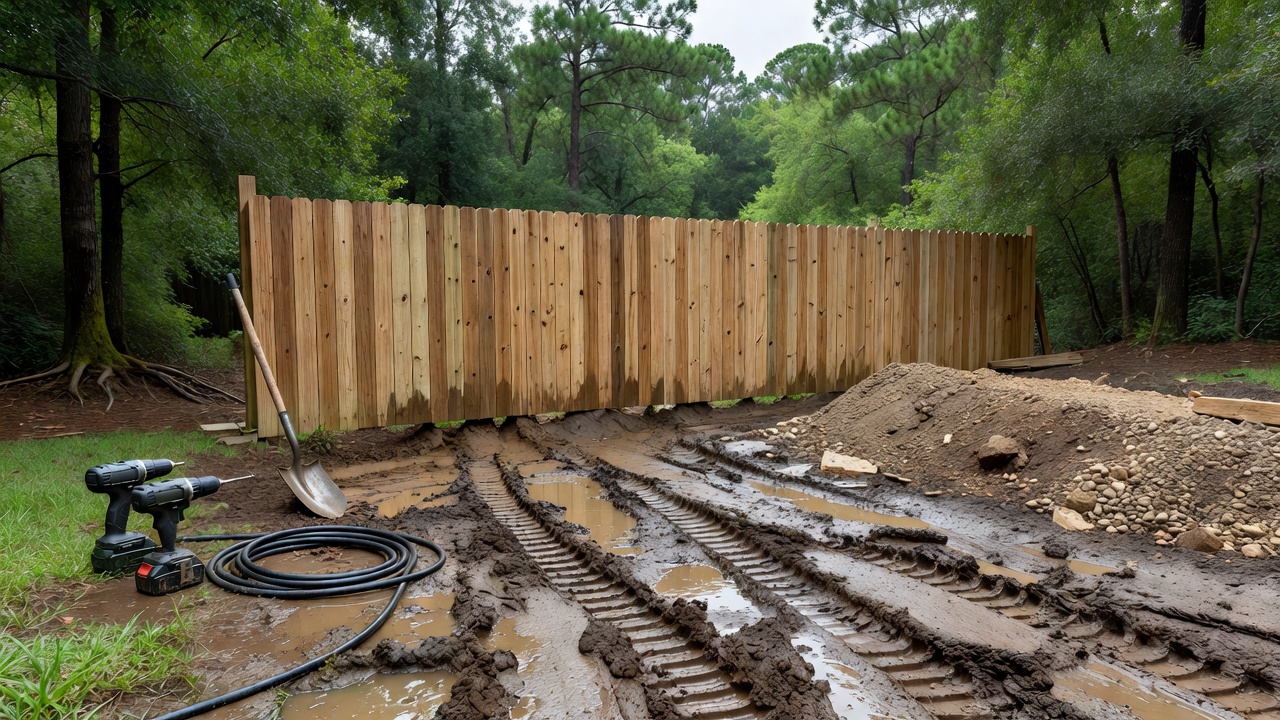
Extending a fence in The Woodlands after sprinklers are already in place starts with drainage. Clay soil in the greater Houston area holds water and shifts, so you must reroute or protect zones to avoid pooling against posts.
Run a planning estimate first. This gives 2026 ranges and flags the extra base work your MUD or HOA will likely require.
Key takeaways
- Start with local permit checks before any digging
- Map every sprinkler zone around new fence lines
- Add 6–12 inches of extra base depth in clay
- Test drainage flow after each post set
- Export materials lists before calling licensed pros
Verify HOA and MUD Permit Rules Early
The Woodlands and surrounding MUDs require written approval for fence extensions that touch irrigation. Submit site sketches that show sprinkler heads and proposed post locations.
- Confirm fence height and material rules
- Note any drainage easement setbacks
- List TDLR licensed irrigator on the permit form
- Include clay-soil prep notes in the application
Do this before you order posts. Check TDLR licensing requirements for irrigators at the Texas Department of Licensing and Regulation. Fence Extension Around Sprinklers Houston Clay Soil Steps shows exact permit language used in recent Woodlands projects.
Map Existing Sprinkler Zones First
Walk the line with the irrigation plan in hand. Mark every head, valve, and lateral that sits within three feet of the new fence path.
- Turn zones on one at a time
- Flag heads that will sit inside the fence footprint
- Note slope direction after each zone runs
- Photograph pipe depths at two spots per zone
- Measure distance from each head to the planned fence line
- Record any low spots where water already collects
Sprinkler Zones Clay Soil Houston 2026 Drainage Plan gives a printable zone checklist tuned for local clay. Review drainage guidelines from the Texas Commission on Environmental Quality before finalizing your map.
Clay Soil Prep Steps for Fence Posts
Clay expands when wet and cracks when dry. Every post hole needs extra base material and a drainage path.
- Dig holes 6 inches wider than the post
- Add 4 inches of crushed limestone at the bottom
- Slope the base away from the fence line
- Backfill with 3 parts gravel to 1 part native clay
- Compact in 4-inch lifts
- Allow 48 hours for settling before setting posts
Texas A&M AgriLife Extension provides clay soil management tips that apply directly to Woodlands conditions. Fence Post Spacing Houston Clay 2026 Clay Soil Guide lists exact spacing that holds in Woodlands soil.
Protect Sprinkler Heads and Pipes During Build
Construction traffic can crush lines or shift heads out of alignment. Protect components before posts go in.
- Place plywood sheets over known pipe runs
- Cap open heads with temporary covers
- Mark valve boxes with bright flags
- Keep heavy equipment at least four feet away
- Inspect every zone after equipment moves
This step prevents later repairs that cost more than the original fence work.
Drainage Fixes When Fence Crosses Sprinkler Lines
You cannot simply bury pipe under posts. Create a bypass or sleeve.
| Method | Labor Hours | 2026 Rough Range | Best Use Case |
|---|---|---|---|
| Sleeve pipe under post | 2–3 | $180–$320 per crossing | Short runs, low pressure |
| Reroute zone around fence | 4–6 | $450–$750 | High-traffic zones |
| Add French drain parallel | 6–8 | $650–$1,100 | Heavy clay, poor slope |
| Raise grade behind fence | 3–5 | $300–$550 | Minor pooling only |
Choose the method that matches your measured slope. Always keep heads outside the fence so heads stay accessible for winterization.
2026 Planning Ranges for Woodlands Fence Work
These are planning ranges only. They cover materials, labor, and basic clay prep in the greater Houston area.
- 6-foot privacy extension: $28–$42 per linear foot
- 4-foot picket extension: $19–$29 per linear foot
- Drainage reroute add-on: $12–$18 per linear foot
- Permit and inspection fees: $150–$350 flat
- Extra gravel for clay base: $4–$7 per linear foot
- Sleeve pipe and fittings: $6–$10 per linear foot
Export the full breakdown with cutting lists and permit notes from the tool at Backyard Planner.
Export Excel Lists Before You Bid
Create a materials list that includes extra gravel, sleeves, and drainage fabric. Send the same list to three licensed fence contractors who also hold irrigation experience.
- Post count with spacing adjustments
- Cubic yards of base material
- Linear feet of sleeve pipe
- Number of zone reroutes
- Inspection checklist items
- Gravel tonnage per post hole
Export Excel Lists for Houston Backyard Planning produces the clay-soil version with TDLR licensing columns.
Common Mistakes to Avoid
- Placing posts directly over laterals
- Skipping the 4-inch gravel base layer
- Ignoring HOA drainage easement rules
- Using standard topsoil backfill in clay
- Forgetting to pressure-test zones after fence install
- Running equipment over unmarked pipes
Next Steps
- Pull your current sprinkler plan and mark fence line
- Run the 2026 planning estimate for your lot size
- Export the Excel list with drainage items
- Submit HOA paperwork with the marked map
- Schedule three written bids from licensed local crews
This planning estimate is not a quote. Always compare against multiple written bids from pros who know your specific MUD or HOA rules.
FAQ
How deep should fence posts sit in Woodlands clay?
Set posts 30–36 inches deep with 4 inches of gravel base. Add a 2-inch slope away from the fence to move water.
Do I need a separate permit for drainage changes?
Most Woodlands MUDs require one combined permit that lists both fence and irrigation work. Submit the marked sprinkler map with your application.
Can I leave sprinkler heads inside the new fence?
No. Relocate heads outside the fence line so you keep access for repairs and winterization.
What base material works best after sprinklers?
Crushed limestone or 3/4-inch gravel compacts well in clay and lets water drain past posts.
How soon after sprinklers can I extend the fence?
Wait until the irrigation system has run through one full season so you can watch actual drainage patterns around each zone.