October 30, 2026
Cypress Pond 2026 Ranges with Native Texas Plants
Plan a cypress pond 2026 native plants project in the greater Houston area. Review clay soil drainage steps, TDLR licensing notes, and rough planning ranges b
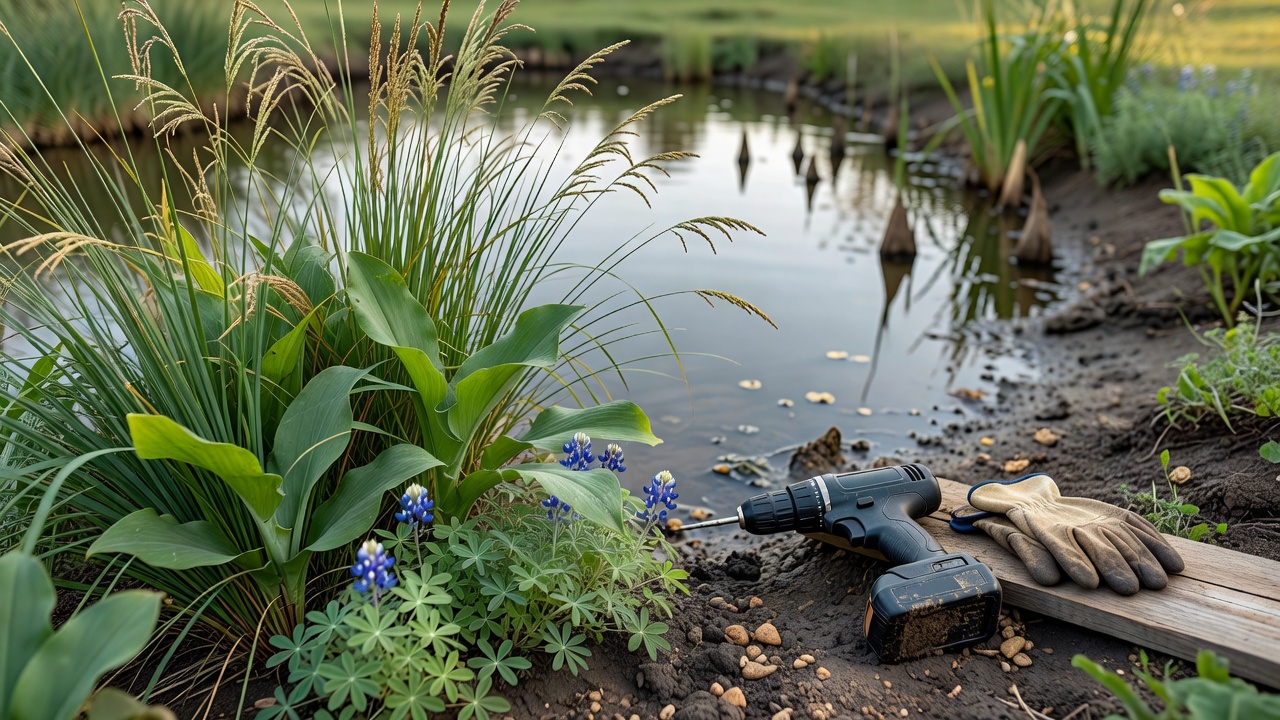
Cypress Pond 2026 Ranges with Native Texas Plants
Cypress homeowners face heavy clay that holds water and drains poorly. Start any pond project by mapping your lot drainage and checking MUD or HOA rules before you dig.
Key takeaways
- Clay-soil aware base prep adds 20-30 percent to pond costs in Cypress.
- Native Texas plants cut long-term maintenance compared with non-natives.
- Every range here is a planning estimate — not a quote.
- Always pull TDLR licensed irrigator bids and written drainage plans.
- Factor seasonal rain patterns into overflow design from day one.
Check Cypress Drainage and Permit Rules First
Clay soil in Cypress forces extra excavation and liner protection. Run these checks before you size the pond.
- Locate your MUD district and read its drainage ordinance.
- Measure slope from house to property line.
- Note any HOA restrictions on water features.
- Verify TDLR licensing for any irrigation tie-in.
- Call 811 for utility locates at least two days ahead.
- Review local rainfall data to size overflow pipes for 2-inch hourly storms.
- Confirm no buried utilities cross the planned pond footprint.
Review TCEQ guidelines on stormwater management for residential ponds to align your plan with regional rules.
2026 Rough Planning Ranges for Cypress Ponds
Public 2026 data shows these clay-soil aware ranges for the greater Houston area. Your actual bid will vary with liner type and plant count.
| Pond Size (sq ft) | Base Prep Cost | Liner + Plants | Total Range |
|---|---|---|---|
| 150-250 | $1,800-$2,800 | $2,200-$3,400 | $4,000-$6,200 |
| 250-400 | $2,600-$3,900 | $3,100-$4,800 | $5,700-$8,700 |
| 400-600 | $3,400-$5,100 | $4,000-$6,200 | $7,400-$11,300 |
These figures already include extra gravel and fabric layers required for Cypress clay. Add 15 percent if your lot sits in a known flood zone.
Select Native Texas Plants for Clay Soil
Native plants handle wet clay edges and reduce irrigation needs. Match plant height to pond depth.
- Pickerelweed for shallow margins.
- Soft rush for wet banks.
- Cardinal flower in part shade.
- Gulf muhly on drier slopes.
- Buttonbush for deeper water zones.
- Blue flag iris along the north edge for color in spring.
- Switchgrass to stabilize clay banks against erosion.
See Texas A&M AgriLife recommendations for pond edge plants when choosing quantities for your specific sun exposure.
Clay Soil Prep Steps for Pond Excavation
Skip shortcuts on base work or the liner will fail within two seasons.
- Remove 12-18 inches of top clay and replace with sand-gravel mix.
- Slope the floor 1 percent toward the overflow.
- Install geotextile fabric before liner placement.
- Compact each lift of backfill to 95 percent density.
- Test water level for 48 hours before planting.
- Install a French drain along the uphill side to intercept runoff.
- Backfill the liner edges with 6 inches of native clay to lock it in place.
Factor in Seasonal Drainage Changes
Cypress yards see heavy spring rains followed by summer drought. Design the pond to handle both without constant pumping.
- Size the overflow pipe for peak 2-inch rain events common in the greater Houston area.
- Add a small recirculation pump to keep water moving during dry spells.
- Plant native Texas plants in staggered rows so roots slow sheet flow.
- Install a shutoff valve on any irrigation tie-in to prevent overfilling after storms.
Compare Pond vs Sprinkler Tie-In Options
Many Cypress lots already have irrigation. Decide early whether the pond shares zones or runs separate.
Compare pond versus sprinkler decisions in similar clay soil yards.
- Separate pump and timer adds $1,200-$1,800.
- Shared zone requires backflow preventer upgrade.
- Native plants around the pond cut summer watering by 30 percent.
- Separate electrical run avoids code conflicts with existing sprinkler timers.
Export Materials and Cutting Lists
Build an exact materials list before you call contractors. Export the PDF or Excel file with liner sizes, plant counts, and permit notes.
Export Excel lists for Houston backyard planning.
Avoid Common Cypress Pond Mistakes
- Do not place the pond in the lowest spot without an overflow pipe.
- Do not use non-native water lilies that spread into storm drains.
- Do not skip the MUD pre-construction meeting.
- Do not rely on national average prices for local clay.
- Do not plant aggressive species that crowd out natives within one season.
Verify Contractor TDLR and Insurance
Only hire crews with current TDLR irrigator licenses when the pond connects to sprinklers. Ask for proof of general liability and workers comp.
Review pond planning steps used in nearby Katy clay yards.
Check the TDLR license lookup tool before signing any contract to confirm active status.
Run Your Own Planning Estimate
Use the Backyard Planner tool to adjust ranges for your exact Cypress lot size and soil test results. The output stays a planning estimate — not a quote.
Next Steps
- Pull your MUD and HOA documents this week.
- Order a soil percolation test.
- Export the materials list and compare three local bids.
- Schedule TDLR licensed contractors only.
- Re-run the estimate after bids arrive to spot gaps.
- Test plant hardiness by visiting local demonstration gardens first.
FAQ
What native plants work best around a Cypress pond?
Pickerelweed, soft rush, and cardinal flower handle local clay edges and wet winters without extra fertilizer.
How much extra does clay soil prep add in 2026?
Expect 20-30 percent more base work compared with sandy lots. The table above already folds that cost in.
Do I need a TDLR license for the pond itself?
The license is required only if irrigation lines tie into the feature. Stand-alone ponds still need MUD drainage approval.
Can I plant non-native species instead?
Non-natives often need more water and can escape into local waterways. Native Texas plants lower long-term maintenance in clay.
Where do these 2026 ranges come from?
They combine public material prices, local labor reports, and clay-soil adjustments for the greater Houston area.