October 19, 2026
Woodlands Sprinkler or Pond Clay Soil Decision 2026
Compare Woodlands sprinkler or pond clay soil options for 2026. Review drainage steps, MUD rules, and clay-soil aware ranges before bids in the greater Housto
Woodlands Sprinkler or Pond Clay Soil Decision 2026
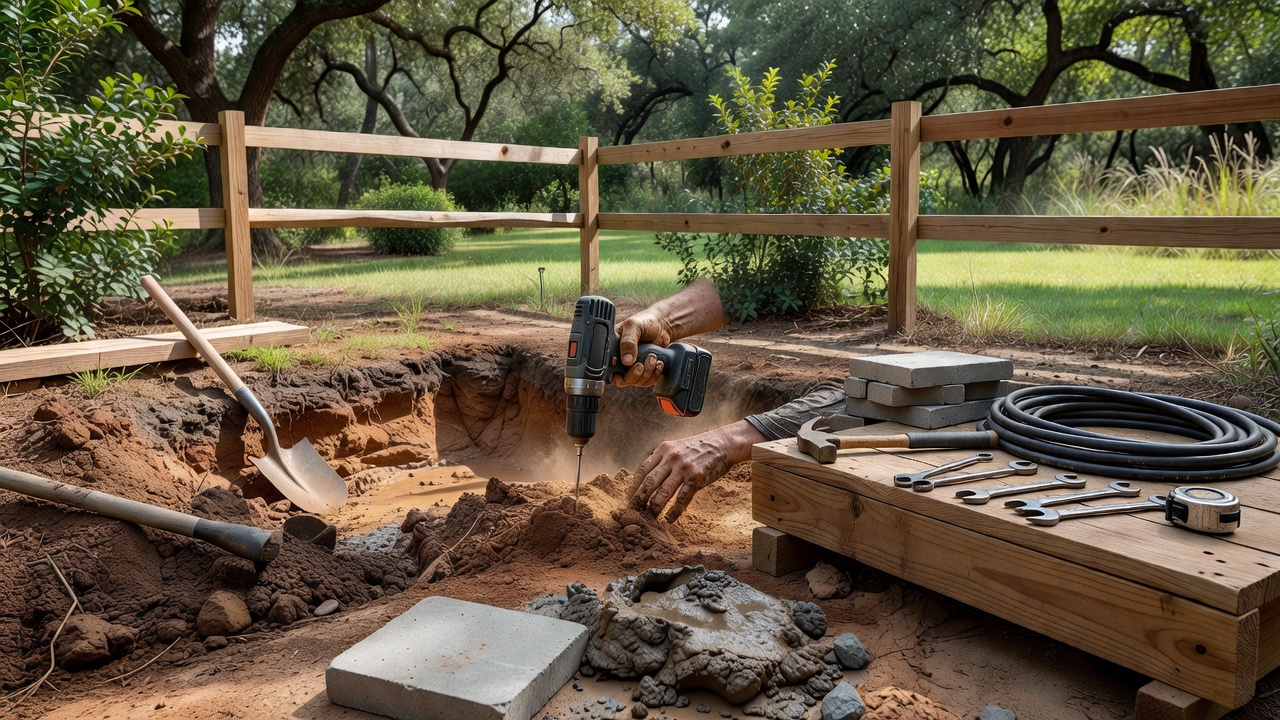
Woodlands homeowners face a clear choice between a Sprinkler System and a Pond / Water Feature when clay soil dominates the yard. Clay holds water, shifts with seasons, and demands extra drainage steps that raise 2026 costs. Run a planning estimate first, then compare real bids from licensed pros.
Key takeaways
- Clay soil adds base prep and drainage work to both projects.
- MUD rules often control pond permits more strictly than sprinklers.
- Native Texas plants cut long-term water use in either setup.
- Always treat numbers as planning estimates — not a quote.
Evaluating Your Lot's Clay Soil Conditions
Test your specific Woodlands lot before deciding between a Sprinkler System and a Pond / Water Feature. Clay varies by neighborhood and depth, so map it early.
- Dig three test holes at least 12 inches deep in different zones.
- Note how long water sits after a rain event.
- Check for cracks during dry spells that signal shrink-swell risk.
- Measure slope toward the street or neighbors.
- Record any existing French drains or swales.
- Avoid assuming uniform clay across the entire yard.
- Flag low spots near the foundation first.
- Document results with photos for contractor discussions.
Review clay soil drainage for multiple backyard features when multiple features share the same space.
Sprinkler System Clay Soil Prep Steps
Start with soil tests in your Woodlands lot. Clay layers trap moisture and push water toward foundations unless you add proper grading.
- Map existing drainage patterns around the house.
- Plan 4–6 inches of amended base material.
- Install French drains or swales where runoff pools.
- Choose rotors rated for heavy clay pressure.
- Schedule backflow testing per TDLR rules.
- Space heads to avoid overlap on slopes.
- Set timer zones based on soil percolation rates.
- Skip shallow trenching that ignores seasonal heave.
- Do not route heads near septic fields without MUD approval.
Follow TCEQ irrigation permitting guidelines for backflow and timer compliance in the greater Houston area.
Pond Water Feature Clay Soil Challenges
Ponds sit lower and collect more standing water. Clay helps seal liners but creates overflow risks during Houston storms.
- Excavate deeper than frost line to limit shifting.
- Add 12-inch gravel drains around the perimeter.
- Slope the top edge away from the house 2 percent minimum.
- Line with EPDM rated for clay expansion.
- Install overflow pipe tied to approved discharge point.
- Add aeration to reduce algae in standing clay water.
Check Woodlands pond MUD costs clay soil factors before digging.
2026 Rough Planning Ranges
| Project | Low End per Feature | High End per Feature | Clay Soil Add-On |
|---|---|---|---|
| Sprinkler System | $3,200 | $7,800 | +15% base prep |
| Pond / Water Feature | $6,500 | $14,000 | +25% drainage |
| Both Combined | $9,000 | $20,000 | +30% shared grading |
These are planning estimates — not a quote. Export the PDF from Backyard Planner for your exact lot size. Factor in extra labor for clay excavation and disposal when bids arrive.
MUD and HOA Permit Checks
Woodlands MUD districts review pond overflows first. Sprinkler plans usually need only backflow paperwork.
- Submit site plan showing 10-foot setbacks from property lines.
- Include pump electrical specs for ponds.
- Confirm irrigation timer meets TCEQ watering restrictions.
- Get written HOA approval on visible pond edges.
- Provide drainage calculations for any pond discharge.
- Verify fence or shed setbacks if adding structures near the feature.
See clay soil drainage for multiple backyard features for combined project notes.
Native Texas Plants Integration
Both options work better with native Texas plants that handle clay and drought.
- Blackfoot daisy along pond edges for erosion control.
- Inland sea oats under sprinkler heads for shade tolerance.
- Texas sage in open zones to reduce runoff.
- Avoid non-native turf that needs constant irrigation.
- Choose muhly grass for transition zones between features.
- Plant in amended pockets rather than pure clay.
Review Pearland sprinkler clay soil prep for plant spacing examples that translate to Woodlands yards.
Consult Texas native plant recommendations from Texas A&M when selecting species suited to local clay conditions.
Drainage Decision Rules
Compare your lot slope and neighbor runoff before choosing.
Do this
- Grade the entire zone before either install.
- Add catch basins near low spots.
- Test soil percolation after heavy rain.
- Route overflow to approved MUD discharge points.
- Install check valves on all sprinkler zones.
Not this
- Place pond at lowest point without overflow pipe.
- Run sprinkler lines across existing swales.
- Skip French drain tie-ins to street curb.
- Ignore seasonal heave around pond liners.
Long-Term Maintenance Differences
Plan for five-year ownership costs in clay soil.
- Sprinkler heads require winter blowouts and annual pressure checks.
- Pond liners need debris removal twice yearly to prevent clogs.
- Both systems benefit from quarterly drainage inspections after storms.
- Native Texas plants lower water bills within two seasons.
- Clay heave can crack pond edges faster than sprinkler trenches.
- Budget for pump replacement on ponds every 7–10 years.
Track maintenance against your initial planning estimate to stay realistic.
Next Steps Before Bids
- Pull your MUD and HOA rule sheets this week.
- Measure yard zones and note clay pockets.
- Export the clay-soil aware PDF from Backyard Planner.
- Schedule two licensed bids with TDLR / TCEQ numbers listed.
- Compare drainage line items line by line.
- Re-test soil after any major rain before finalizing plans.
FAQ
Does clay soil make ponds more expensive than sprinklers in Woodlands?
Yes. Ponds need deeper excavation and perimeter drains that sprinklers avoid, pushing 2026 ranges 20–30 percent higher.
Which project needs MUD approval first?
Pond / Water Feature plans trigger MUD review faster because of overflow and liner rules. Sprinkler System permits focus on backflow devices only.
Can native Texas plants reduce water use for both?
Yes. They establish faster in clay and cut irrigation demand after the first season when paired with either system.
How often should I recheck drainage after install?
Inspect French drains and swales twice a year, once after spring rains and once before fall.
Are these 2026 ranges exact quotes?
No. They remain planning estimates only. Secure multiple written bids from local licensed contractors familiar with your MUD or HOA.