October 12, 2026
Katy Paver Patio Native Plants Clay Soil Guide 2026
Plan a katy paver patio with native plants in clay soil. Review 2026 clay-soil aware ranges, drainage steps, MUD checks, and TDLR licensing notes before bids
Katy Paver Patio Native Plants Clay Soil Guide 2026
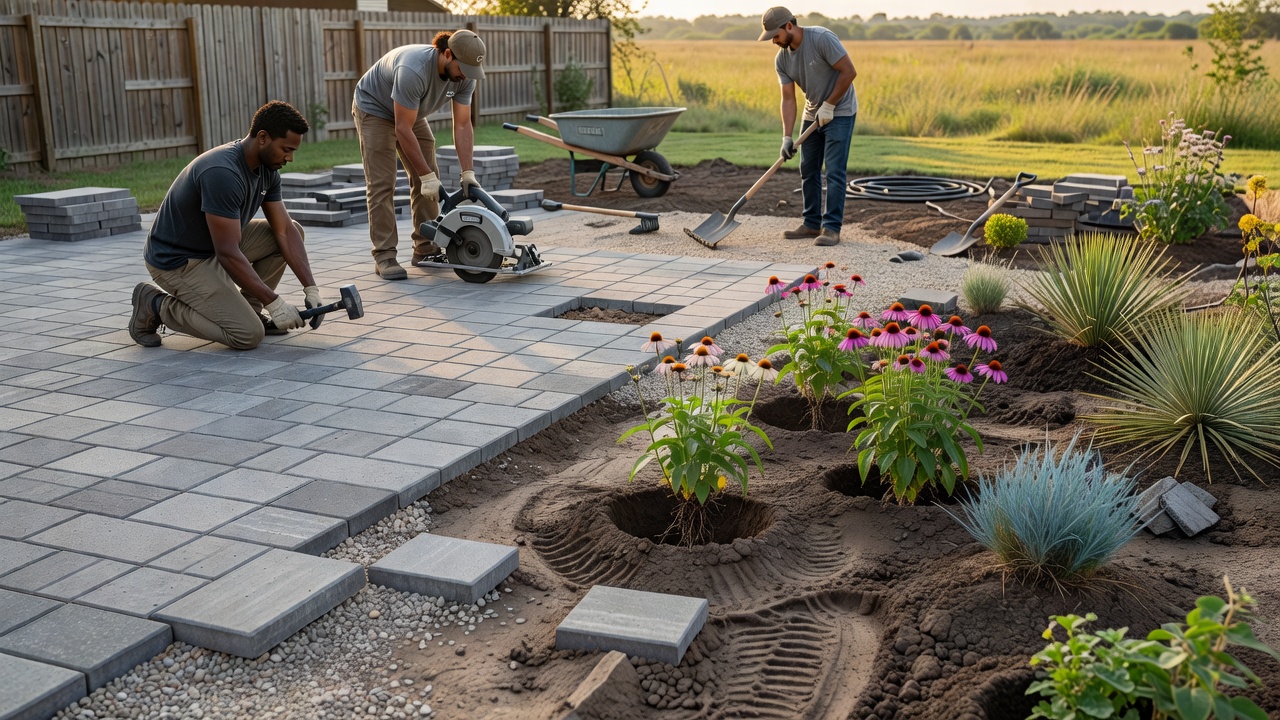
Katy homeowners face heavy clay soil that holds water and shifts with seasons. Start by testing drainage and selecting native Texas plants that root well without constant irrigation. Backyard Planner delivers clay-soil aware planning estimates for Paver Patio projects in the greater Houston area.
Key takeaways
- Clay soil demands extra base depth and French drains around every paver edge.
- Native plants cut irrigation needs by half compared with turf.
- Run a planning estimate first, then collect three written bids from TDLR licensed contractors.
- Check MUD and HOA rules before any excavation in Katy.
- Factor in seasonal expansion and contraction when choosing paver thickness.
Test Your Clay Soil Drainage First
Dig three test holes two feet deep in the planned patio area. Fill each with water and time the drain rate. Clay that holds water longer than four hours needs added gravel layers and a perimeter drain.
Do this before layout:
- Mark the patio footprint with stakes and string.
- Slope the finished surface one-quarter inch per foot away from the house.
- Note any low spots that collect runoff from the street.
- Record the exact time each hole takes to empty.
- Photograph the site for your permit file.
Not this:
- Skip the test and guess at base thickness.
- Place pavers flat without a drainage outlet.
- Ignore nearby downspouts that feed extra water into the zone.
Additional checks include walking the lot after a rain to spot hidden wet pockets common in Katy subdivisions. Clay layers often sit just below the topsoil, so probe deeper with a soil auger if the first test shows slow drainage. These steps prevent later heaving that cracks grout lines.
Pick Native Texas Plants That Handle Clay
Choose species already adapted to Katy winters and summer heat. These plants tolerate periodic wet feet and dry spells once established.
- Black-eyed Susan
- Texas lantana
- Gulf muhly grass
- Cedar sage
- Mealy blue sage
- Turk’s cap
- Purple coneflower
- Flame acanthus
- Inland sea oats
Space plants 12 to 18 inches from paver edges so roots do not lift the surface later. Group plants by water needs to simplify irrigation zones. Native selections also support local pollinators without extra fertilizer that can run off into MUD drainage systems.
See the Lady Bird Johnson Wildflower Center native plant database for more Houston-area options.
Add Drainage Steps Around the Paver Patio
Clay soil pushes water sideways. Install these features during base prep.
- Excavate six to eight inches below finished grade.
- Lay four inches of crushed limestone base, compacted in two lifts.
- Place a perforated drain pipe along the low side that ties into a pop-up emitter or existing swale.
- Top with two inches of decomposed granite for leveling sand.
- Edge the entire patio with steel or concrete to keep base material in place.
- Install a secondary French drain if the lot slopes toward the house.
Compare your drainage layout with clay soil drainage for multiple backyard features in Houston.
Handle Seasonal Shifts in Greater Houston Clay Soil
Katy clay expands when wet and contracts when dry, creating movement that can crack paver joints. Plan for this reality with flexible base materials and joint sand that contains polymers.
Quick comparison of approaches:
- Standard sand base: cheaper but shifts more in winter rains.
- Polymer sand plus deeper gravel: higher upfront cost but fewer repairs after two years.
- Concrete pavers with wider joints: allows slight movement without cracking.
Test your chosen paver on a small mock-up section before full installation. Many Katy homeowners add a geotextile fabric under the base to keep clay from mixing upward. This extra layer adds roughly one dollar per square foot yet extends patio life in local conditions.
2026 Planning Ranges for Katy Paver Patios
Public 2026 data shows rough planning ranges of $12 to $28 per square foot installed when clay prep and drainage are included. Larger patios drop the per-foot cost while small or oddly shaped jobs rise because of extra edging and hand work.
| Factor | Low Range Cost | High Range Cost | Notes for Katy Clay |
|---|---|---|---|
| Base and drainage | $4 | $8 | Extra gravel needed |
| Pavers and labor | $6 | $14 | Standard concrete pavers |
| Native plant beds | $2 | $6 | 4–6 plants per 10 sq ft |
| Permit and MUD review | $300 | $900 | Varies by subdivision |
| Seasonal expansion allowance | $1 | $3 | Polymer sand and fabric |
These figures remain planning estimates — not a quote; always get multiple written local quotes.
Meet MUD and HOA Rules Early
Most Katy subdivisions sit inside a Municipal Utility District. Submit site sketches that show the drain outlet and plant list before you order materials. HOAs often require the same drawings plus material samples.
List of common checks:
- Verify lot coverage limits.
- Confirm drain discharge location.
- Confirm no buried utility easements cross the patio.
- Note required setbacks from side fences.
- Provide plant species list for irrigation review.
- Include base depth specification on drawings.
Review similar MUD steps in a nearby neighborhood.
Check the Texas Commission on Environmental Quality site for current irrigation rules that may affect your sprinkler tie-in. TCEQ licensing requirements for irrigation.
Use Planning Estimates to Compare Bids
Export the PDF from Backyard Planner with your square footage, plant count, and drainage notes. Hand that document to three TDLR licensed contractors and ask them to price only the listed items. Differences in bids usually appear in base depth or plant spacing.
Learn how to line up those bids.
Combine the Patio with a Sprinkler System
Run irrigation lines before pavers go down. Native plants still need water the first two seasons, so zone the beds separately from turf.
- Use drip tubing under the plant beds.
- Place heads at least 12 inches off paver edges to avoid overspray stains.
- Program controllers for deep, infrequent cycles suited to clay.
- Flush lines before backfilling to remove debris.
- Label each zone valve for future reference.
See the 2026 Katy sprinkler native plants plan.
Maintain Your Patio and Plants Year-Round
Clay soil movement continues after installation, so inspect joints each spring. Reapply polymer sand where it has washed out. Prune native plants in late winter to encourage new growth without encouraging weak stems.
Maintenance checklist:
- Clear debris from drain outlets monthly.
- Top-dress plant beds with compost once a year.
- Check paver edges for lifting after heavy rains.
- Divide overcrowded perennials every three seasons.
- Monitor for invasive weeds that thrive in disturbed clay.
These steps keep the project within the original planning estimate range.
Next Steps
- Measure your exact patio area today.
- Run the clay-soil aware planning estimate at Backyard Planner.
- Collect MUD and HOA requirements this week.
- Schedule three site visits with licensed contractors next month.
- Re-check drainage after the first heavy rain once the patio is complete.
- Order native plants from a local nursery that stocks Texas-adapted stock.
FAQ
How deep should the base go under a Katy paver patio?
Plan on six to eight inches of compacted limestone plus two inches of leveling sand when clay soil is present.
Which native plants work best right next to pavers?
Black-eyed Susan, Gulf muhly, and cedar sage stay compact and handle both wet and dry clay conditions.
Do I need a permit for a paver patio in Katy?
Most MUD districts and HOAs require a simple site plan showing drainage. Check your subdivision rules before ordering materials.
Can I install the patio and plants myself?
Homeowners can handle plant placement, yet base compaction and drainage usually need equipment and experience that licensed crews bring.
What happens if drainage is ignored?
Clay expands when wet and can heave pavers within two seasons. Added drains and deeper base prevent most movement.