November 1, 2026
Shed Base Prep Pearland Clay Soil: 2026 Steps
Shed base prep pearland clay soil demands extra drainage and base work. Get 2026 planning ranges, MUD permit notes, and clay-soil aware steps before you build
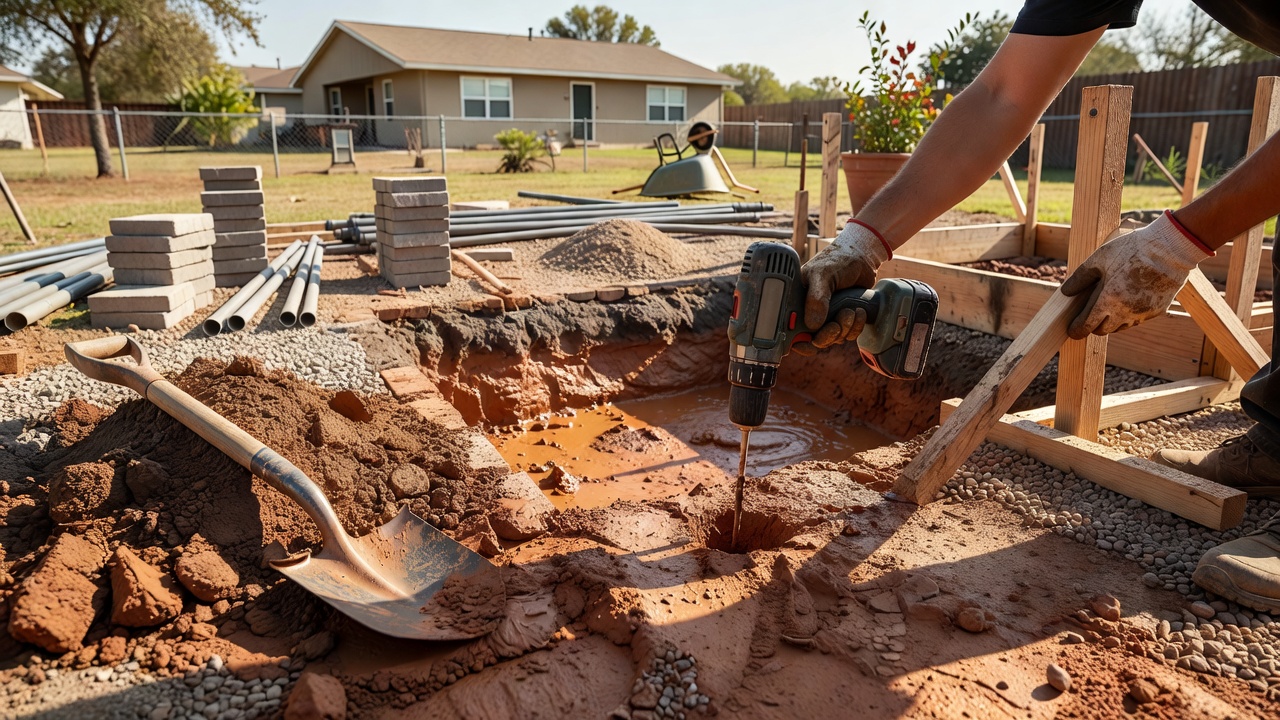
Shed Base Prep Pearland Clay Soil: 2026 Steps
Pearland clay soil shifts and holds water, so shed base prep starts with drainage and extra base depth. Run a planning estimate first, then compare bids from licensed local pros. This guide covers clay-soil aware steps for greater Houston area yards in 2026.
Key takeaways
- Clay soil requires 6–8 inches of compacted base plus drainage layers.
- Check MUD and HOA rules before digging.
- Use 2026 public data for rough planning ranges only.
- Export materials lists before you call contractors.
- Factor seasonal moisture swings into your timeline.
Check Pearland MUD and HOA Rules First
Contact your local MUD office and review HOA guidelines before any base work. Many Pearland neighborhoods limit shed size and require drainage plans. TDLR licensing applies to any contractor you hire.
- Pull your property survey.
- Note setback distances from fences and utilities.
- Confirm permit fees for 2026.
- Document existing drainage swales.
- Verify any utility easements that cross the build area.
- Record photos of current grade for your permit file.
Learn clay-soil aware steps for similar Pearland projects.
Assess Your Yard’s Clay Conditions
Test soil moisture at three spots where the shed will sit. Clay that stays wet past 48 hours needs extra gravel and a French drain.
- Dig 12-inch test holes.
- Note water level after 24 hours.
- Measure slope away from the house.
- Mark low spots that collect runoff.
- Probe for hidden roots or buried debris.
- Record soil color changes that signal poor drainage pockets.
Choose Base Type for Clay Soil
Gravel with geotextile fabric works best for most Pearland sheds. Concrete slabs cost more but handle heavy equipment storage.
| Base Type | 2026 Planning Range | Clay Drainage Notes | Maintenance Level |
|---|---|---|---|
| Gravel + fabric | $4–$9 per sq ft | Needs 4-inch gravel layer plus perimeter drain | Low |
| Concrete slab | $8–$14 per sq ft | Requires 6-inch base and vapor barrier | Medium |
| Pavers on sand | $7–$12 per sq ft | Extra edging to stop clay heave | High |
Step-by-Step Base Prep Process
Follow these steps in order. Skip any and the shed will tilt within two seasons.
- Clear vegetation and roots to 6 inches below grade.
- Compact native clay with a plate tamper.
- Lay geotextile fabric.
- Add 4 inches of crushed limestone and compact again.
- Install 4-inch perforated drain pipe on the low side.
- Add another 4 inches of base and compact to 95% density.
- Check final slope of 1/4 inch per foot.
- Install vapor barrier if using concrete.
Each lift must be compacted separately. Rushing compaction leaves soft spots that later settle unevenly under the shed weight.
Drainage Steps Specific to Greater Houston Area
Pearland storms drop heavy rain fast. Route shed runoff into existing swales or a dry well.
- Slope ground 6 inches over 10 feet away from the shed.
- Connect drain pipe to street-side outlet where allowed.
- Avoid directing water toward neighbor fences.
- Use native Texas plants in swales for erosion control.
- Install a cleanout port on the drain line for future maintenance.
- Test flow with a garden hose before backfilling.
Review TCEQ guidelines for residential stormwater management before finalizing your outlet plan.
Plan for Seasonal Timing and Weather Impacts
Clay soil prep fails when rain hits unfinished base layers. Schedule work between late fall and early spring when Pearland averages fewer downpours.
- Avoid June through September hurricane season.
- Reserve two extra days after each rain event for drying.
- Check 10-day forecasts before ordering gravel delivery.
- Stage materials under tarps to prevent saturation.
- Coordinate with irrigation pros to cap nearby sprinkler heads during excavation.
Compare drainage choices for Katy clay yards.
2026 Planning Ranges for Materials
These rough planning ranges cover a 10x12 shed in Pearland clay. Prices reflect public 2026 data and include delivery.
- Crushed limestone: $45–$65 per ton
- Geotextile fabric: $0.80–$1.20 per sq ft
- 4-inch drain pipe: $3–$5 per 10 ft
- Vapor barrier: $0.50–$0.80 per sq ft
- Plate tamper rental: $75 per day
- Geotextile overlap tape: $12 per roll
- Cleanout fittings: $8–$15 each
Break larger orders into two loads so you can adjust quantities after the first compaction test.
Export Excel Lists Before You Bid
Build a materials list with labor notes and permit reminders. Compare your list against three written bids from TDLR-licensed contractors.
Export Excel lists for Houston backyard planning.
Common Mistakes to Avoid
- Skipping the fabric layer lets clay mix with base.
- Ignoring slope causes water under the shed.
- Using sand alone leads to washouts after storms.
- Starting without MUD approval delays the project.
- Over-watering the base during compaction creates soft pockets.
- Placing the shed too close to property lines triggers HOA violations.
Verify Contractor Licensing and Insurance
Hire only contractors who carry current TDLR registration and general liability coverage. Ask for proof before any deposit.
- Request copies of TDLR license cards.
- Confirm workers’ compensation certificates.
- Check references from three recent Pearland jobs.
- Require written change-order language for extra drainage work.
- Verify the bid lists exact base depths and fabric specs.
See how other Houston projects handle licensing checks in Verify Paver Patio Estimates Houston Clay Soil 2026.
Next Steps
- Run your clay-soil aware planning estimate at Backyard Planner.
- Export the PDF with materials and permit notes.
- Get three written bids from licensed Pearland contractors.
- Verify drainage plan matches your MUD rules.
- Schedule base work after the rainy season ends.
- Re-test soil moisture two days before crews arrive.
Start your planning estimate now.
Planning estimates are not quotes. Always obtain multiple written bids from licensed local contractors familiar with your MUD or HOA requirements.
FAQ
How deep should the base go in Pearland clay?
Plan 8–12 inches total: 4 inches compacted clay subgrade plus 8 inches of crushed limestone in two lifts.
Do I need a permit for a shed base in Pearland?
Most MUDs and HOAs require permits for sheds over 100 square feet. Check drainage plans before you dig.
Can I use concrete directly on clay?
No. Install a 6-inch gravel base and vapor barrier first to reduce heave and moisture damage.
What 2026 range covers a gravel base for a 120 sq ft shed?
Expect $480–$1,080 in materials and labor for a properly drained gravel base in Pearland clay.
How do I handle drainage on a flat lot?
Add a perimeter French drain that ties into a dry well or approved outlet. Slope the finished grade away from the shed.
Planning estimates are not quotes. Always obtain multiple written bids from licensed local contractors familiar with your MUD or HOA requirements.