October 31, 2026
Paver Patio vs Sprinkler Sugar Land Clay 2026
Compare paver patio vs sprinkler sugar land clay choices for 2026. Review drainage steps, clay-soil aware planning estimates, and MUD rules before bids in the
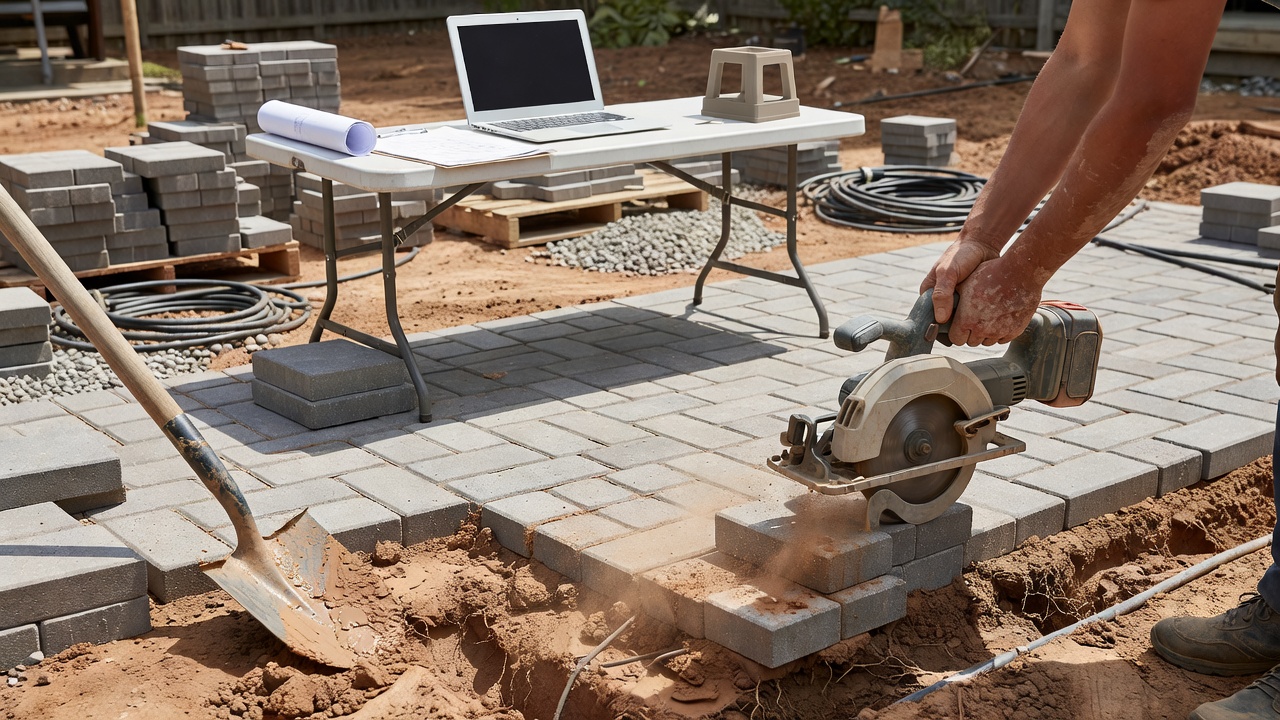
Paver Patio vs Sprinkler Sugar Land Clay 2026
Sugar Land clay soil forces a clear choice between a paver patio and a sprinkler system. Start with drainage tests on your lot before any materials arrive. Clay holds water and shifts, so one project often blocks the other.
Key takeaways
- Test drainage and slope first in Sugar Land clay.
- Expect extra base prep for pavers and zone adjustments for sprinklers.
- Use planning estimates to compare bids, never as quotes.
- Check your MUD and HOA rules early.
- Factor in long-term maintenance before final selection.
Run Drainage Checks Before You Decide
Clay soil in Sugar Land drains slowly. Standing water ruins both paver bases and sprinkler heads. Local lots often sit on heavy gumbo that expands when wet and cracks when dry.
Do these steps in order:
- Dig three test holes 12 inches deep across the yard.
- Fill each with water and time how long it takes to empty.
- Note low spots near the house or fence lines.
- Mark sprinkler head locations away from those lows.
- Measure slope from house to street with a level string.
- Record results in your planning estimate spreadsheet.
Follow USDA soil survey methods for accurate clay assessment on your specific block. Skip this order and you pay for rework later.
2026 Rough Planning Ranges in Sugar Land
Public 2026 data shows wide spreads once clay prep enters the numbers. These are planning estimates — not a quote. Actual bids vary with lot access and current material prices.
| Feature | Paver Patio Range | Sprinkler System Range | Clay Soil Add-on |
|---|---|---|---|
| Base prep and drainage | $4–$9 per sq ft | $1–$3 per zone | Extra 6–12 in. gravel |
| Materials | $6–$12 per sq ft | $800–$2,200 per zone | Clay-rated emitters |
| Labor and permits | $3–$6 per sq ft | $400–$900 per zone | MUD inspection fees |
| Total per typical yard | $8–$25 per sq ft | $2,500–$7,500 | Drainage reroute if needed |
Run the numbers for your exact lot size first. Add 15 percent contingency for hidden utilities common in older Sugar Land subdivisions.
Clay Soil Prep Steps for Each Project
Paver patios need a compacted base that resists heave. Sprinklers need lines that avoid future settling. Both require careful sequencing to prevent water pooling against foundations.
Paver patio clay steps:
- Remove 8–12 inches of native clay.
- Lay geotextile fabric.
- Install 6 inches of crushed limestone in two lifts.
- Compact each lift to 95 percent.
- Add 1 inch sand bedding.
- Edge with concrete or steel to contain movement.
Sprinkler clay steps:
- Trench 8–10 inches deep with 1 percent fall.
- Use swing joints at every head.
- Install check valves on slopes.
- Flush lines before backfill.
- Cap unused zones until soil settles.
- Pressure test for 24 hours.
Verify paver patio estimates Houston clay soil 2026 before you lock a base design.
MUD and HOA Permit Rules in Sugar Land
Most Sugar Land MUDs require drainage plans for any hardscape over 200 square feet. Sprinkler installs often need backflow prevention approval. Violations trigger stop-work orders and extra fees.
Checklist before you call anyone:
- Pull your property plat from the MUD site.
- Confirm irrigation meter size rules.
- List native Texas plants required by HOA.
- Note fence setbacks that affect sprinkler heads.
- Record permit fees in your planning estimate.
- Schedule pre-construction inspection if required.
Review TCEQ irrigation permitting guidelines for backflow device standards. Plan sprinkler zones clay soil Houston 2026 drainage plan to match those MUD notes.
Export Materials and Cutting Lists
Build a side-by-side list before bids arrive. Export the Excel file with your lot dimensions and clay prep items included. This file becomes your comparison tool when contractors submit proposals.
Quick export checklist:
- Enter square footage for patio or zone count for sprinklers.
- Add 10 percent waste for clay cuts.
- Include TDLR licensed labor line items.
- Flag drainage reroute costs.
- Save PDF for contractor meetings.
- Update the file after each bid arrives.
Export Excel lists for Houston backyard planning keeps every number in one file.
Trade-offs You Face in Sugar Land Yards
Paver patios lock in hard space. Sprinklers keep the yard green but add weekly maintenance. Clay soil amplifies both issues through seasonal movement.
- Pavers win when you want low weekly work and defined seating areas.
- Sprinklers win when grass or native beds must stay.
- Both lose if drainage is ignored in clay.
- Combine them only after separate drainage zones are mapped.
- Never run sprinkler lines under paver base sections.
- Factor in future tree roots that lift pavers or clog heads.
Maintenance and Long-Term Costs in Clay Soil
Clay soil creates ongoing challenges after installation. Paver joints collect sediment that holds moisture and promotes weeds. Sprinkler heads settle unevenly and require seasonal adjustments.
Maintenance checklist for pavers:
- Sweep and refill polymeric sand yearly.
- Power wash stains without eroding joints.
- Monitor edges for clay heave every spring.
- Re-level sections after heavy rains.
Maintenance checklist for sprinklers:
- Blow out lines before first freeze.
- Replace heads damaged by settling clay.
- Adjust zones for new plant growth.
- Test pressure twice per season.
- Clean filters after each irrigation cycle.
Track these tasks in your exported plan so bids reflect realistic ownership costs.
Deciding Based on Your Daily Yard Use
Match the project to how you actually use the space. Families with kids and dogs often prefer open grass served by sprinklers. Entertaining households lean toward paver patios for durable seating.
Use this decision list:
- Count weekly outdoor hours spent on grass versus hard surfaces.
- Note sun exposure that affects plant water needs.
- Measure distance from house to street for drainage flow.
- List existing trees that influence root conflicts.
- Review HOA restrictions on visible irrigation equipment.
Run both scenarios through the tool to see which fits your routine and budget.
Next Steps After You Compare
Use the planning estimate to guide three written bids from licensed local pros. Compare each bid against your exported list. Adjust for your specific MUD rules. Schedule the drainage test this week, then open the tool at Backyard Planner to build the first version.
Next actions:
- Complete soil tests within seven days.
- Export updated materials list with your measurements.
- Contact two TDLR licensed irrigation contractors.
- Request MUD drainage review packet.
- Compare final bids against the 2026 ranges table.
Frequently Asked Questions
How deep should paver base go in Sugar Land clay?
Plan 8–12 inches of compacted gravel plus sand. Test your actual soil first.
Can sprinklers run under a future paver patio?
No. Place heads outside the patio footprint and keep lines in separate trenches.
Do Sugar Land MUDs require separate permits for each project?
Yes. Submit drainage details for pavers and backflow for sprinklers.
What 2026 range covers a typical 400 square foot patio?
Expect $3,200–$10,000 once clay prep and permits are added.
Should I choose native plants with either option?
Yes. They reduce irrigation demand and work with clay drainage limits. See Texas A&M native plant lists for Sugar Land recommendations.