September 14, 2026
Paver Patio MUD Woodlands: 2026 Clay Soil Permit Steps
Plan your Woodlands paver patio with MUD permit notes, clay soil prep, and 2026 rough planning ranges. Follow drainage checks before you call licensed pros in
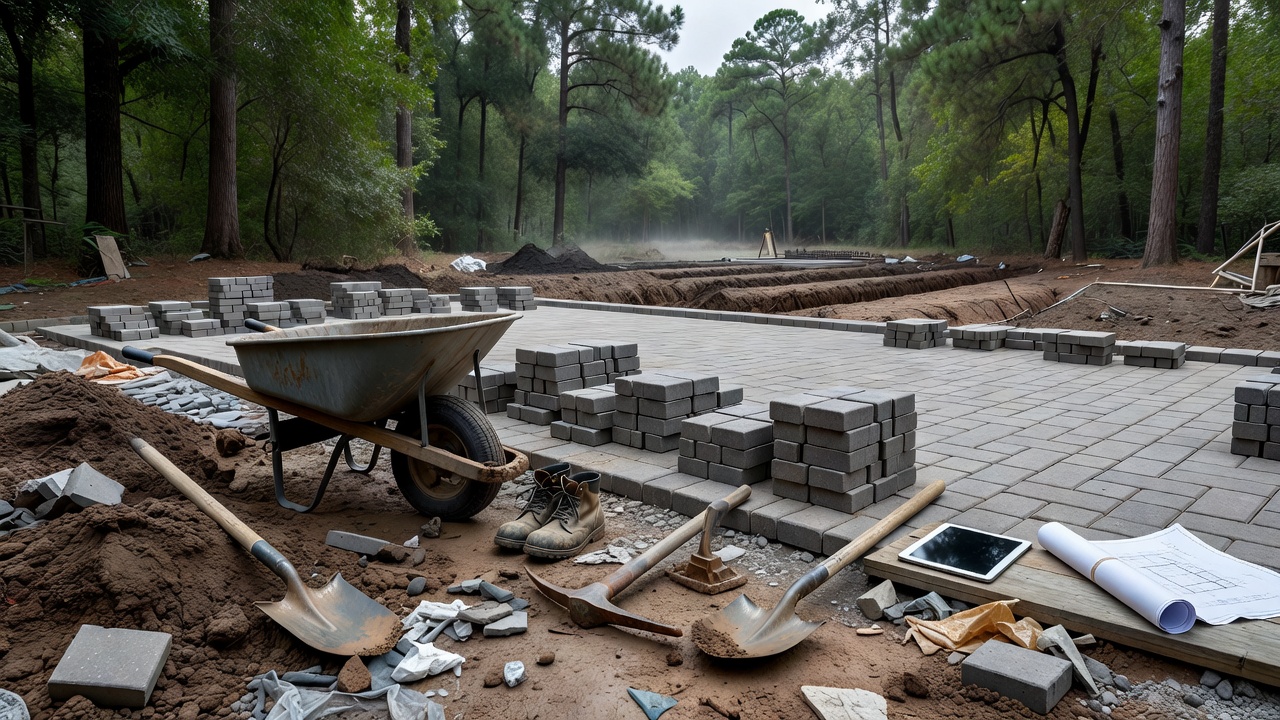
Paver Patio MUD Woodlands: 2026 Clay Soil Permit Steps
Woodlands homeowners face strict MUD rules when adding a paver patio. Start with clay soil prep and drainage checks to avoid rework. These steps give you rough planning ranges for 2026, not final numbers.
Key takeaways
- Clay soil in Woodlands demands extra base depth and drainage layers.
- Every MUD sets its own permit timeline and inspection rules.
- Run the numbers first, then compare bids from licensed contractors.
- Export materials lists before you contact your local MUD office.
- Factor in seasonal rain patterns that affect clay expansion.
Woodlands MUD Rules for Paver Patios
Check your specific MUD first. Many require drawings that show slope away from the house and connection to existing swales. Submit before any excavation.
- Confirm lot coverage limits set by your MUD.
- Verify fence or setback lines on the plat.
- Ask about inspection fees and re-inspection costs.
- Note that some MUDs require engineered drainage plans even for small patios.
- Review prior project approvals on file at the MUD office for patterns.
- Prepare for possible utility locate requirements before grading starts.
Clay Soil Prep Steps for Your Patio
Clay holds water and shifts. Skip extra base and the pavers will sink or crack.
- Remove 8–12 inches of topsoil across the entire area.
- Add and compact 4–6 inches of crushed limestone in two lifts.
- Install geotextile fabric between clay and base.
- Slope the base 1/8 inch per foot toward the street or approved outlet.
- Test compaction with a plate tamper before edging.
- Add a 2-inch sand leveling course only after base passes inspection.
Do this: dig test holes in three spots. Not this: assume uniform soil across the yard.
2026 Rough Planning Ranges in Greater Houston
Public 2026 data shows paver patio costs in the greater Houston area run $12–$28 per square foot installed. Woodlands clay soil pushes the higher end because of extra base and drainage work.
- Basic 400 sq ft patio: $5,200–$9,600
- Patio with integrated drainage: $7,800–$13,400
- Add permit and inspection fees: $300–$900
- Extra for native edging and stabilization fabric: $800–$1,600
These are planning estimates — not a quote. Always get multiple written local quotes.
Drainage Checks Before You Dig
Poor drainage causes most patio failures here. Walk the yard after a rain and note standing water spots.
- Locate downspouts and French drains.
- Map low spots that already flood.
- Confirm your MUD allows discharge into the street gutter.
- Plan to tie new drains into existing swales when possible.
- Measure existing swale capacity during heavy rain events.
- Test soil percolation in three locations with a simple bucket test.
Compare paver patio vs fence extension Houston clay soil options if you also need privacy screening.
Permit Application Process
Gather documents before you visit the MUD office. Most require a site plan, material list, and contractor license numbers.
- Print a current survey with proposed patio outline.
- Include TDLR or TCEQ licensing details for any irrigation tie-ins.
- Pay the application fee and schedule the pre-pour inspection.
- Keep copies of every stamped approval.
- Include photos of current drainage patterns with your submission.
Review similar Cypress paver patio MUD permits clay soil 2026 steps for neighborhood-specific examples.
HOA Coordination in The Woodlands
Many Woodlands lots sit under both MUD and HOA rules. Overlap creates extra review layers that extend timelines.
- Submit identical plans to both the MUD and your HOA architectural committee.
- Check HOA color and material restrictions on paver types.
- Request written confirmation that MUD approval satisfies HOA drainage standards.
- Budget 30–60 extra days for dual review cycles.
- Keep records of all correspondence with both entities.
Selecting Materials for Clay Soil Stability
Material choices directly affect how well the patio handles seasonal movement.
- Choose interlocking pavers rated for heavy traffic over thin brick styles.
- Specify 3/4-inch crushed limestone base rather than river rock.
- Use polymeric sand in joints to reduce weed and water intrusion.
- Install aluminum or concrete edging instead of plastic borders.
- Add a 4-inch perforated drain pipe along the lowest edge when slope is minimal.
Licensing Notes for Pros
Hire only contractors who carry current TDLR or TCEQ licenses when irrigation or drainage work is involved. Ask to see proof before signing. Verify credentials through the official Texas Department of Licensing and Regulation database before any deposit. Confirm insurance covers MUD inspections. Require written change-order rules for extra base work. Cross-check that the crew holds current liability coverage for excavation in clay conditions.
Common Pitfalls in Woodlands Patio Builds
Avoid these repeated errors that drive up final costs.
- Skipping the fabric layer between clay and base.
- Underestimating permit wait times during spring rain season.
- Ignoring HOA color rules until pavers arrive on site.
- Failing to slope the base enough for MUD inspection.
- Using general contractors without local MUD experience.
- Omitting a pre-construction drainage walk-through with the inspector.
Next Steps
- Run your lot through Backyard Planner for a clay-soil aware materials list.
- Export the PDF and take it to your MUD office.
- Collect three written bids from licensed local crews.
- Schedule a site visit during the next heavy rain to confirm drainage paths.
- Cross-reference all plans against current TCEQ stormwater guidelines for discharge rules.
Start your Woodlands paver patio plan
FAQ
How long does a Woodlands MUD permit take?
Most MUDs respond in 10–20 business days once you submit complete drawings.
Do I need extra base in Woodlands clay?
Yes. Plan on 6–8 inches of compacted limestone plus fabric to handle expansion.
What happens if drainage fails inspection?
The MUD will require you to add swales or pipe before final approval. Budget extra time and cost.
Can I tie new drains into my neighbor’s line?
Only with written permission and MUD approval. Most homeowners run separate lines to the street.
Are these numbers exact quotes?
No. These are planning estimates — not a quote. Always get multiple written local quotes from licensed pros who know your MUD rules.