August 29, 2026
Cypress Sprinkler System Clay Soil Steps for 2026
Follow these cypress sprinkler system clay soil steps to plan your 2026 install in the greater Houston area. Review drainage, MUD rules, and rough ranges befo
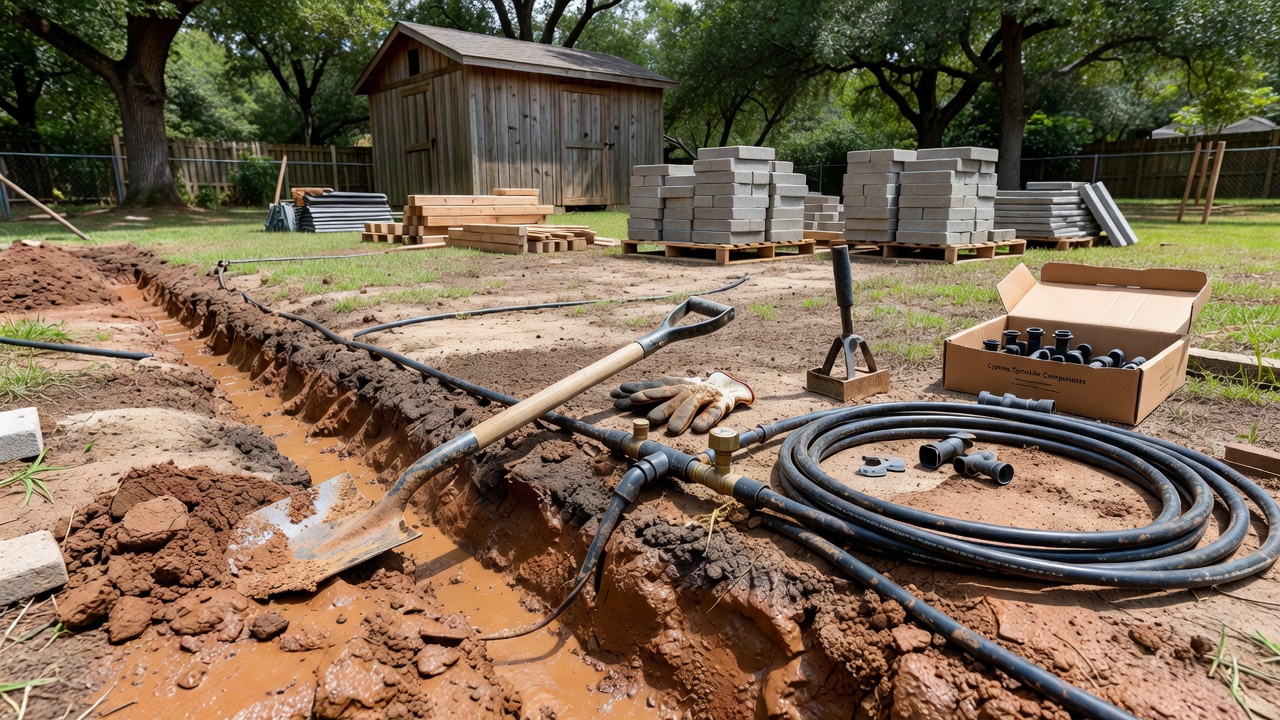
Cypress Sprinkler System Clay Soil Steps for 2026
Start with clay-soil aware planning for your Cypress sprinkler system. Backyard Planner delivers 2026 rough planning ranges tuned to local drainage and soil demands. These steps focus on what you can do before you call licensed pros.
Key takeaways
- Clay soil in Cypress demands extra base prep and drainage checks.
- Always treat numbers as a planning estimate — not a quote.
- Check MUD and HOA rules early.
- Use TDLR licensed installers familiar with greater Houston area conditions.
Clay Soil Prep Steps for Cypress Yards
Cypress clay holds water and shifts. Test soil drainage first. Dig test holes in three spots and fill with water. Note how fast it drains.
- Remove topsoil and add 4-6 inches of gravel base where needed.
- Slope lines away from the house at 1 percent minimum.
- Install French drains along low spots before trenching.
- Choose native Texas plants that tolerate wet clay around heads.
- Compact each gravel layer in 2-inch lifts to prevent future settling.
- Mark utility lines with flags before any digging begins.
Do this sequence in order. Skip any step and you risk pooling water against foundations. In neighborhoods like Cypress Creek Lakes, homeowners often add extra fabric under the gravel to stop clay migration into the base.
Drainage Checks You Run Before Trenching
Poor drainage ruins sprinkler heads and creates mud. Run these checks yourself.
- Walk the yard after heavy rain and mark standing water spots.
- Measure slope from house to street with a 4-foot level.
- Locate existing French drains or swales on the property survey.
- Note where roof downspouts empty and plan to redirect them.
- Probe soil with a screwdriver every 10 feet to find compacted zones.
Fix drainage before any pipe goes in the ground. Review Texas A&M AgriLife Extension clay soil guides for local drainage tips that match Cypress conditions.
Selecting Equipment for Clay Soil Durability
Clay soil exerts pressure on buried lines and heads. Choose components rated for heavy soils.
- Rotor heads with heavy-duty seals resist silt intrusion.
- Pressure-regulated valves prevent line bursts during wet cycles.
- Flexible swing joints at each head absorb minor soil movement.
- Stainless steel filter screens at the valve box catch clay particles.
Test one zone at a time after install. Adjust pressure to 30-40 psi to avoid misting in dense soil.
MUD and HOA Permit Steps in Cypress
Most Cypress MUDs require permits for new sprinkler systems. Start here.
- Call your MUD office and ask for the irrigation permit packet.
- Confirm backflow preventer rules and inspection timing.
- Check HOA covenants for head placement and timer restrictions.
- Verify the installer holds current TDLR irrigation license.
- Submit site plan showing zone layout and drainage features.
Plan your Cypress sprinkler system with 2026 MUD permit notes and clay-soil aware steps.
Check the Texas Department of Licensing and Regulation database for licensed irrigators before signing any contract.
2026 Rough Planning Ranges for Greater Houston Area
Use these ranges only for budgeting. They reflect public 2026 data adjusted for Cypress clay and drainage.
- Basic zone system: $1,800–$3,500 for 2,000 sq ft yard
- Smart controller upgrade: add $400–$800
- Extra drainage work: add $800–$2,200
- Native plant border around heads: add $300–$700
- Valve box and backflow assembly: add $250–$450
Export the PDF from Backyard Planner for your exact lot size and permit notes. Edge cases like lots near retention ponds often push costs toward the higher end due to required overflow protection.
Materials and Labor Breakdown Checklist
Track these items when you request bids.
- Schedule 40 PVC pipe and fittings
- Rotor and spray heads rated for clay pressure
- Rain sensor and smart controller
- Gravel and fabric for base layers
- Backflow preventer assembly
- Labor for trenching and testing
- Permit and inspection fees
- Swing joints and filter screens
- Wire and connectors for valves
Count each line before you compare quotes. Labor for clay trenching typically runs 30 percent higher than sandy soil jobs.
Common Mistakes Homeowners Make
Avoid these traps that raise final costs.
- Skipping soil test and hitting hardpan during trenching
- Placing heads too close to fences or structures
- Ignoring MUD backflow rules and failing inspection
- Using national averages instead of greater Houston area clay-soil aware numbers
- Burying lines without gravel bedding in high-shrink areas
Fix the plan on paper first. Many Cypress projects fail inspection because the backflow preventer sits below grade.
Sprinkler System vs Pond Water Feature Trade-offs
| Feature | Sprinkler System | Pond Water Feature |
|---|---|---|
| Clay prep needed | Extra base + drainage | Liner + overflow drain |
| MUD permit focus | Backflow and timer | Water use and liner |
| 2026 range per sq ft | $0.90–$1.75 | $8–$18 |
| Maintenance level | Medium | High |
Compare pond vs fence cypress clay soil options with 2026 rough planning ranges.
Water Conservation and Timer Planning
Cypress summers demand smart scheduling to avoid waste. Set zones for early morning runs only.
- Program controllers for 3-4 cycles per week in peak heat.
- Use rain sensors to skip cycles after storms.
- Divide front and back into separate programs based on sun exposure.
- Choose native Texas plants in borders to reduce overall water needs.
Review EPA WaterSense irrigation tips for controller best practices that work in clay-heavy Houston yards.
Next Steps Before You Hire
- Run the Backyard Planner tool for your Cypress address and export the PDF.
- Collect three written bids from TDLR licensed companies.
- Verify each bid lists clay-soil prep and drainage items separately.
- Confirm your MUD will inspect before final payment.
Backyard Planner — main website
Start the planning estimate — not a quote — today and walk your yard with the printed checklist.
FAQ
How deep do sprinkler lines need to be in Cypress clay?
Bury lines 8–12 inches deep after adding the gravel base layer. Shallower installs shift during wet cycles.
Do Cypress MUDs require a backflow preventer?
Yes. Most require an approved assembly and annual testing. Confirm the exact model with your MUD office.
What is the typical timeline for a Cypress sprinkler install?
Permit review takes 2–4 weeks. Actual trenching and testing usually finishes in 3–5 days once approved.
Can I use the same zones for front and back yards?
Only if drainage and soil tests show uniform conditions. Separate zones prevent overwatering one side.
Where can I find TDLR licensed irrigators near Cypress?
Search the TDLR public license database and filter by zip code. Always ask for proof of current registration before signing.