October 1, 2026
Cypress Pond Native Texas Plants Steps for 2026 Clay Soil
Follow cypress pond native texas plants steps for 2026 clay soil yards in greater Houston. Review drainage planning, MUD HOA checks, and planning estimates be
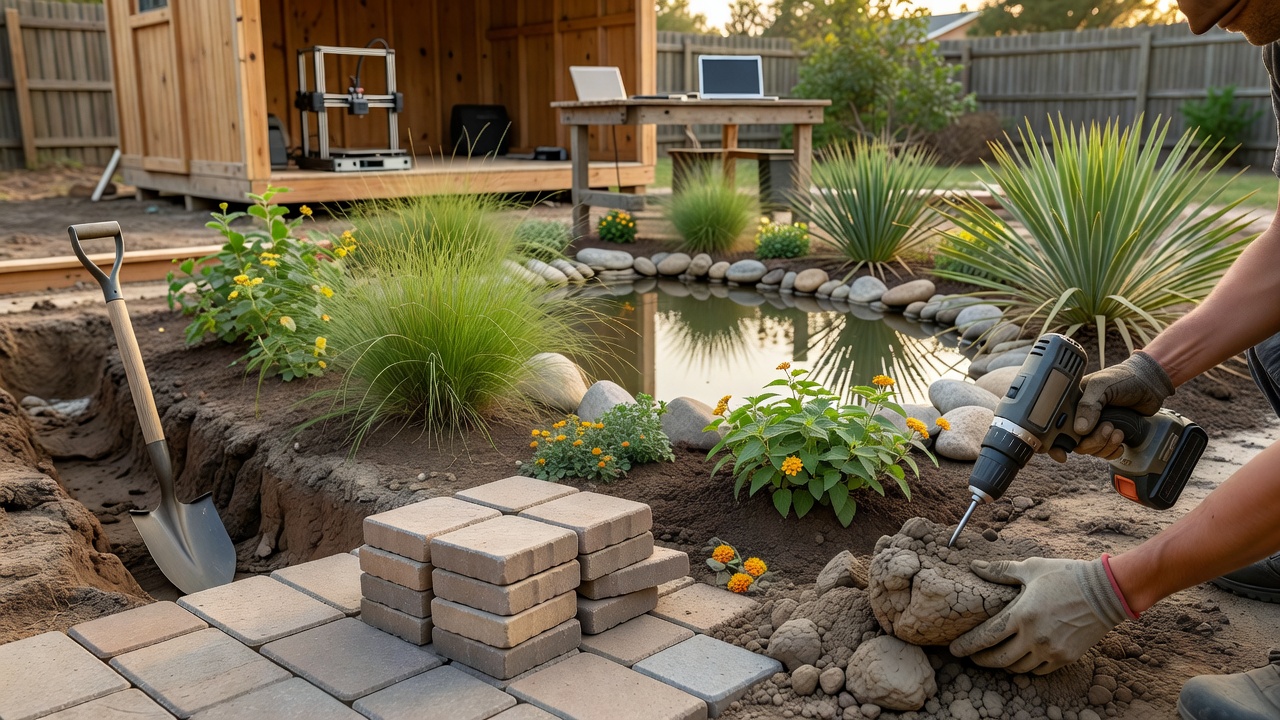
Cypress Pond Native Texas Plants Steps for 2026 Clay Soil
Start with clay soil tests in Cypress before adding a pond water feature. Native Texas plants cut long-term maintenance when you match them to local drainage patterns. Backyard Planner delivers 2026 planning ranges tuned for greater Houston clay, not exact quotes.
Run the numbers first. Export the PDF with materials lists and permit notes, then compare bids from TDLR licensed pros who know your MUD rules.
Key takeaways
- Clay soil demands extra base prep and drainage layers for every pond.
- Native plants reduce irrigation needs once established.
- Always treat estimates as planning tools, not contractor bids.
- Check MUD and HOA rules before digging.
- Test soil drainage at multiple spots across the yard.
- Group plants by moisture tolerance to avoid root rot.
Clay Soil Prep Steps for Cypress Ponds
Cypress yards sit on heavy clay that holds water and cracks when dry. Test drainage first by digging test holes and watching how fast water moves. Add a 4-6 inch gravel layer under the liner to prevent settling.
Follow these prep actions:
- Remove topsoil and stockpile it for later planting beds.
- Install a geotextile barrier before the liner goes down.
- Slope the base 1-2 percent toward the outlet to avoid standing water.
- Compact each layer in 6-inch lifts.
- Backfill edges with amended soil that drains better than native clay.
- Dig test pits at three locations to confirm consistent clay depth.
- Mix in 20 percent sand or expanded shale where drainage stays below one inch per hour.
- Mark utility lines before any mechanical excavation begins.
Drainage Planning in Greater Houston Yards
Pond water features fail fast without proper outflow in clay. Route overflow to a French drain or rain garden that ties into your existing system. Check the slope of your lot before final placement.
Do this drainage sequence:
- Map high and low points with a laser level.
- Locate downspouts and existing French drains.
- Size the outlet pipe for a 1-inch rain event.
- Add a sediment trap before the outfall.
- Verify the route clears your MUD easement.
- Install cleanouts every 50 feet for future maintenance access.
Decide backyard project order first so drainage work happens before hardscaping.
Check the USDA Web Soil Survey for Harris County clay maps to confirm your exact soil series before final layout.
Pond Liner Options and Clay Soil Interactions
Clay expands and contracts with moisture changes, stressing rigid liners. Flexible EPDM or reinforced PVC liners perform better in these conditions. Always add a protective underlayment to guard against punctures from sharp clay fragments.
Liner decision checklist:
- Choose 45-mil EPDM for most Cypress residential ponds.
- Add 1/2-inch underlayment on all clay contact surfaces.
- Avoid thin 20-mil liners that tear during seasonal soil movement.
- Overlap seams by at least six inches and seal with manufacturer tape.
- Extend liner six inches above expected water line to handle clay heave.
Choosing Native Texas Plants Around Ponds
Pick plants that tolerate wet feet near the edge and drier clay farther out. Native Texas plants support local pollinators and need less fertilizer. Avoid invasive species that spread through Houston waterways.
Quick plant list for Cypress ponds:
- Pickerelweed for shallow margins
- Gulf muhly on drier banks
- Blackfoot daisy in full sun beds
- Inland sea oats under partial shade
- Cardinal flower along the inlet
- Switchgrass in transition zones between wet and dry areas
- Frogfruit as a low groundcover on clay banks
See related guidance in native Texas plants for sprinkler system planning. Browse the Lady Bird Johnson Wildflower Center plant database for zone-specific native selections that match Houston clay conditions.
2026 Planning Ranges for Pond Water Features
Greater Houston pond costs vary by size and liner type. Clay-soil aware estimates include extra excavation and drainage work. These are rough planning ranges only.
| Pond Size (sq ft) | Basic Liner Range | With Native Planting | Extra Drainage Add-on |
|---|---|---|---|
| 100-200 | $3,200-$5,800 | $4,100-$7,200 | +$1,100-$1,900 |
| 200-400 | $5,900-$10,400 | $7,800-$13,500 | +$1,800-$3,200 |
| 400-600 | $10,500-$17,000 | $14,200-$22,800 | +$2,900-$4,800 |
Review full 2026 data in investigating Houston backyard projects 2026 ranges.
Permit Checks with MUD and HOA
Cypress MUDs and HOAs often require pre-approval for any water feature. Submit site plans that show drainage and setbacks. TDLR licensing applies to contractors who install electrical or plumbing components.
Permit checklist:
- Confirm your MUD has no pond size limits.
- Verify HOA fence and water rules in writing.
- Pull a TDLR license check on every bidder.
- Include a simple drainage sketch with the application.
- Allow 4-6 weeks for review in peak season.
- Submit as-built drawings within 30 days of completion if required.
Read the latest notes on TDLR pond permits Houston clay soil 2026. Review current TCEQ guidance on residential water features before submitting plans.
Installation Sequence for Cypress Yards
Build in order to protect finished work. Start with rough grading, then liner, then planting, then final electrical if needed.
Numbered steps:
- Mark utilities and call 811.
- Excavate and rough grade the basin.
- Install liner and underlayment.
- Place edging and overflow pipe.
- Add gravel and soil amendments.
- Plant natives in zones by moisture.
- Test pump and filtration for 48 hours.
- Mulch and seed disturbed areas.
- Install any lighting or aerators after water stabilizes.
- Monitor water levels for two weeks before final planting adjustments.
Common Mistakes to Avoid
Homeowners often skip soil testing or place the pond in the lowest spot without an outlet. Both lead to muddy water and algae. Never assume city rules match your specific MUD.
Avoid these errors:
- Skipping the drainage outlet entirely.
- Using non-native plants that require constant water.
- Ignoring HOA height limits on waterfalls.
- Hiring unlicensed crews for electrical work.
- Treating online calculators as final bids.
- Placing pumps without easy access for winter service.
Water Quality Management After Installation
Clay particles stay suspended longer than sand or loam, clouding pond water. Add a settling basin or biological filter rated for your pond volume. Run the pump 24 hours a day during the first month to clear fines.
Maintenance list for first season:
- Check filter weekly and rinse as needed.
- Remove floating debris before it sinks.
- Monitor pH monthly because clay can buffer water.
- Divide overgrown natives in early fall.
- Top up water only from a hose with dechlorinator during dry spells.
Next Steps
Export your clay-soil aware plan from Backyard Planner at https://backyardplanning.app before you call contractors. Compare the PDF materials list against three written bids from TDLR licensed pros who know Cypress MUD and HOA requirements. Planning estimates guide decisions; they never replace local quotes.
FAQ
How deep should a Cypress pond be for native plants?
Shallow shelves of 6-12 inches support most native marginal plants while deeper zones of 18-24 inches hold fish if desired.
Do I need a permit for a small pond in Cypress?
Most MUDs require notification for any excavation over 100 square feet. Check your specific HOA documents first.
Which native plants handle Houston clay best near water?
Pickerelweed, cardinal flower, and inland sea oats tolerate both wet edges and heavy clay once established.
How much extra does clay soil prep add to pond costs?
Expect 15-25 percent more for gravel, geotextile, and drainage work compared with sandy sites.
Can I use the same plants around a sprinkler system and pond?
Yes. Many native Texas plants work for both features when you group them by water needs in the same yard plan.