August 29, 2026
Cypress Fence Extension 2026 Clay Soil Ranges
Plan your cypress fence extension with clay soil prep, drainage steps, and MUD rules. Get 2026 rough planning ranges for greater Houston area yards before con
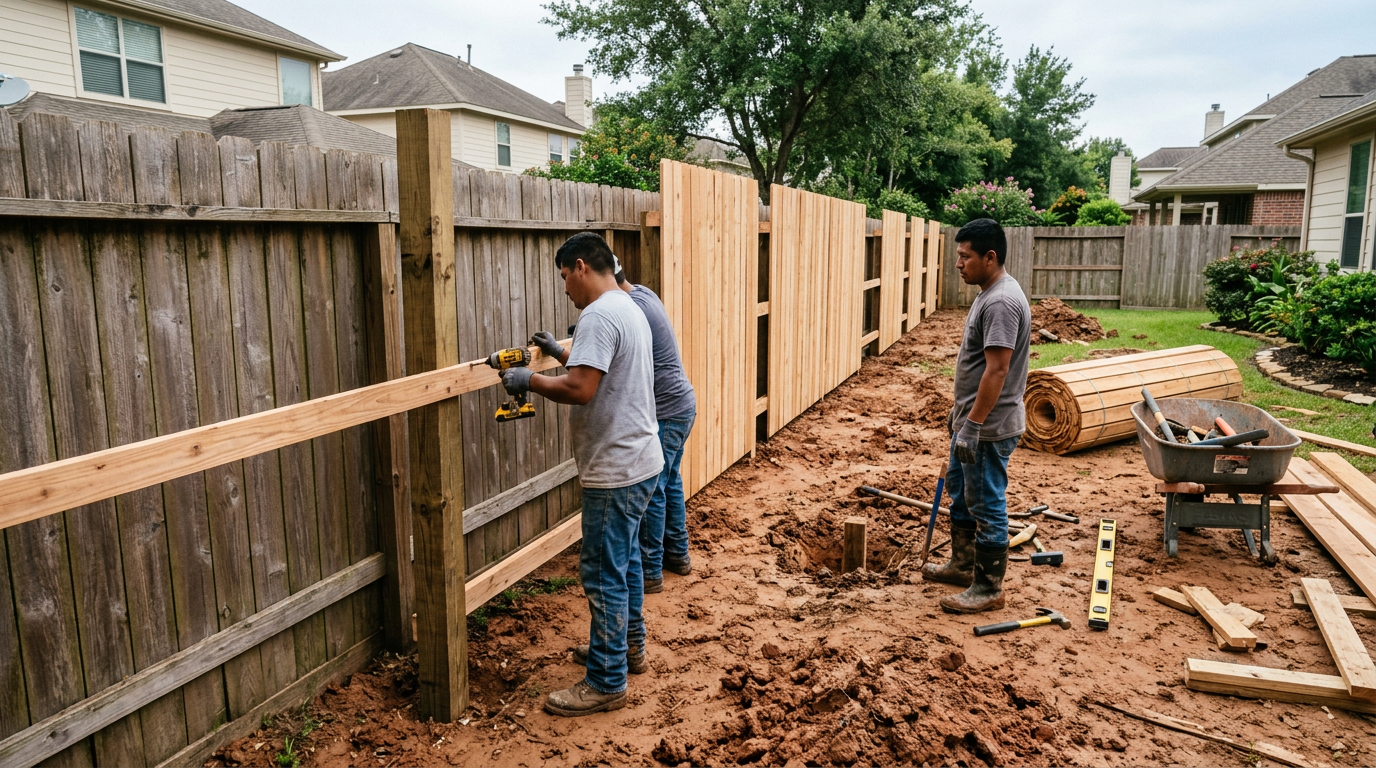
Cypress Fence Extension 2026 Clay Soil Ranges
Planning a cypress fence extension starts with clay soil prep and local drainage rules in the greater Houston area. You must account for extra base work and permit steps before any build begins.
Key takeaways
- Clay soil demands deeper footings and better drainage than sandy soils.
- Always treat ranges as planning estimates — not a quote.
- Check MUD and HOA rules early to avoid rework.
- Use TDLR licensed contractors for all fence work.
- Export materials lists from Backyard Planner to compare bids.
Clay Soil Prep Steps for Fence Posts
Cypress fence extension projects in clay soil require extra excavation and base material. Skip this step and posts shift within two seasons. Clay holds water and expands, so every post needs a stable base that drains away from the structure.
- Dig holes 24–36 inches deep depending on fence height.
- Add 4–6 inches of crushed limestone base at the bottom.
- Compact each layer before setting posts.
- Slope soil away from the fence line for drainage.
- Backfill with native clay mixed with gravel near the surface.
Do this sequence every time. Not this: pouring concrete straight into clay without base layers. The extra prep adds cost but prevents leaning posts after the first heavy rain season.
Measure Your Yard Before Planning
Accurate measurements prevent material shortages during a cypress fence extension. Follow a repeatable process.
- Walk the property line and mark existing fence sections.
- Note gate locations and swing direction.
- Record distances between posts and corners.
- Check for utility lines and sprinkler heads.
- Photograph drainage swales and low spots.
Review the full guide at measure backyard for planning step-by-step methods before you order posts. Add buffer measurements for any slope changes common in Cypress lots.
Drainage Planning in Greater Houston Clay
Poor drainage causes fence lean and water pooling against neighboring yards. Address this during layout. Clay soil slows water movement, so plan outlets early.
- Install French drains behind long runs if grade is flat.
- Use perforated pipe wrapped in fabric where water collects.
- Tie new drainage into existing MUD systems only with approval.
- Slope finished grade 6 inches over 10 feet away from structures.
Review the Texas A&M AgriLife soil drainage advice for regional clay handling methods that match local conditions.
MUD and HOA Permit Process
Cypress fence extensions often cross MUD or HOA boundaries. Start here. Districts track drainage impacts on shared systems.
- Submit site plan showing new fence location and height.
- Confirm TDLR licensing of your contractor before signing.
- Request written drainage notes from the MUD district.
- Allow 4–6 weeks for HOA review in most subdivisions.
See the sugar land HOA fence permit guide at fence extension permits sugar land hoa rules guide for comparable checklists. Always review the TCEQ MUD district guidelines before finalizing any drainage tie-in.
2026 Rough Planning Ranges
These numbers reflect greater Houston area conditions and clay-soil aware prep only. They remain planning estimates — not a quote; always get multiple written local quotes.
| Fence Type | Low Range per Linear Foot | High Range per Linear Foot | Notes |
|---|---|---|---|
| Wood Privacy | $28 | $52 | Includes deeper clay footings and drainage base |
| Vinyl | $35 | $61 | Extra labor for post alignment in clay |
| Metal | $42 | $68 | Requires concrete collars plus gravel backfill |
Add $800–$1,800 for gate hardware and MUD inspection fees. Wood often needs more base prep because it absorbs moisture from surrounding clay.
Wind Load and Post Spacing for Cypress Extensions
Houston area winds reach 40–60 mph in storms, and clay soil gives less lateral support than other soils. Proper spacing and anchoring keep the extension stable.
- Space posts 6–8 feet apart for standard privacy heights.
- Use 6x6 posts instead of 4x4 on runs over 50 feet.
- Add diagonal bracing at corners and gates.
- Increase concrete collar depth by 6 inches in exposed yards.
- Test soil firmness with a probe before final post placement.
These adjustments raise material counts but cut long-term repair calls.
TDLR Licensing Checklist
Hire only licensed professionals for any cypress fence extension.
- Verify active TDLR registration on the state site.
- Confirm insurance covers clay-soil excavation damage.
- Request references from recent greater Houston area projects.
- Ask for written drainage plan tied to your MUD rules.
- Never accept verbal estimates.
Check current requirements at tdlr.texas.gov.
Materials List for Clay Soil Install
Use this checklist to prepare your export from Backyard Planner.
- 4x4 or 6x6 treated posts
- 2x4 rails and pickets
- Crushed limestone for base
- Concrete mix for collars
- Gravel for drainage backfill
- Gate hinges and latch hardware
- Perforated drain pipe if needed
Cross-check quantities against your measured layout to avoid over-ordering.
Common Mistakes to Avoid
- Skipping base prep in clay soil.
- Ignoring HOA height limits.
- Placing posts without drainage slope.
- Using unlicensed crews.
- Ordering materials before permit approval.
Next Steps
- Run your lot dimensions through Backyard Planner at backyardplanning.app for a custom materials export.
- Compare the PDF against three TDLR licensed bids.
- Confirm MUD drainage rules in writing.
- Schedule soil test if standing water appears after rain.
- Re-measure after any utility locates.
FAQ
How deep should posts go in Cypress clay soil?
Posts need 24–36 inches minimum plus a compacted gravel base layer.
Do I need MUD approval for a fence extension?
Yes. Most Cypress MUD districts require drainage review before construction.
What 2026 range applies to a 100-foot cypress fence extension?
Expect $2,800–$6,800 in rough planning ranges once clay prep and drainage are included.
Can I install a fence without TDLR licensing?
No. Texas requires licensed contractors for fence work over certain heights.
Where do I find HOA fence rules for Cypress?
Contact your specific HOA or review comparable guides like the sugar land permit process linked above.