October 5, 2026
Sugar Land Gazebo Shed Clay Soil Prep Steps 2026
Sugar Land gazebo shed clay soil prep requires drainage focus and base work in 2026. Run clay-soil aware planning estimates before permits or bids from licens
Sugar Land Gazebo Shed Clay Soil Prep Steps 2026
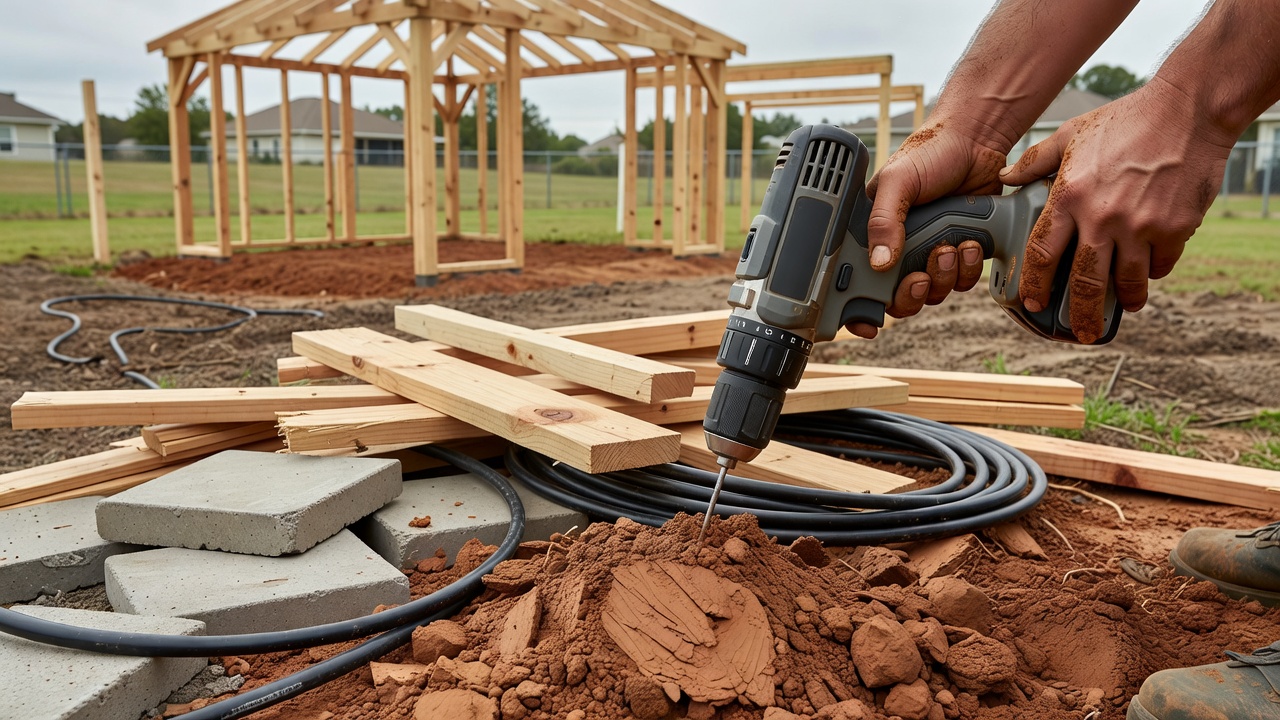
Sugar Land homeowners face heavy clay when planning a gazebo or shed. Start with drainage tests and base prep to avoid settling or water pooling. Backyard Planner delivers rough 2026 ranges tuned for local soil, not fixed prices.
Key takeaways
- Clay soil demands extra base depth and drainage in Sugar Land yards.
- Check MUD and HOA rules before any excavation.
- Use TDLR licensed contractors for structural work.
- Run planning estimates first, then compare written bids.
- Native drainage features reduce long-term issues.
Clay Soil Challenges in Sugar Land Yards
Clay expands and contracts with rain, shifting footings under gazebos and sheds. Test soil moisture at multiple spots on your lot. Add 4-6 inches of compacted base beyond the structure footprint.
- Dig test holes 12 inches deep in three locations.
- Note water retention after a simulated rain.
- Mark low spots that collect runoff from the house.
- Record existing grade slopes toward the street.
- Observe how nearby fences or patios have settled over two seasons.
- Factor in tree roots that pull moisture unevenly from clay layers.
Review soil properties from the Texas A&M AgriLife Extension soil resources before finalizing your layout.
Drainage Realities Before Building
Poor drainage turns clay into mud that undermines posts. Slope the site away from the structure at 1 inch per foot for the first 5 feet. Install French drains or swales if water sits longer than 24 hours.
Compare drainage options for your lot:
| Method | Clay Soil Fit | 2026 Rough Cost Range | Permit Likely? |
|---|---|---|---|
| Swale regrade | Good for mild slopes | $800-$1,800 | Sometimes |
| French drain | Best for pooling areas | $1,200-$2,500 | Often |
| Raised base only | Works on slight grades | $400-$900 | Rarely |
Follow guidelines from the TCEQ stormwater management page when your plan routes water toward the street. Link this approach to similar Sugar Land decisions in fence extension or pond sugar land clay soil 2026.
TDLR Licensing Requirements
Structural gazebos and sheds over certain sizes need licensed oversight. Verify TDLR registration for any contractor handling concrete or framing. TCEQ rules may apply if your project affects stormwater.
- Confirm contractor TDLR number on the state site.
- Ask for proof of local insurance before signing.
- Submit plans showing clay prep details to your MUD.
- Keep copies of all drainage notes for HOA review.
- Check if electrical additions trigger extra licensing layers.
Verify TDLR registration at the Texas Department of Licensing and Regulation website. See parallel licensing steps in pearland gazebo shed tdlr licensing clay soil 2026.
Step-by-Step Clay Soil Prep
Follow this sequence for stable footings.
- Clear vegetation and remove 6 inches of topsoil.
- Compact native clay in 4-inch lifts with a plate tamper.
- Add 4 inches of crushed limestone base and compact again.
- Install geotextile fabric to separate soil from gravel.
- Set post footings 18-24 inches below grade with rebar.
- Backfill around posts with gravel and slope final grade.
Each lift must reach 95 percent compaction before the next layer goes down. Skip this and posts tilt within the first year.
Selecting Materials That Handle Clay Movement
Choose pressure-treated posts rated for ground contact and concrete rated 3000 psi minimum. Avoid untreated wood that absorbs moisture from surrounding clay. Gravel backfill should be 3/4-inch clean rock to allow water to escape.
- Pressure-treated 6x6 posts resist rot better than 4x4s.
- Rebar cages in footings add lateral strength against heave.
- Gravel rings around posts let water drain before it reaches clay.
- Metal post anchors raise wood above grade where possible.
- Avoid vinyl sheds on clay without extra perimeter drainage.
2026 Planning Ranges for Gazebo Shed Projects
Backyard Planner supplies clay-soil aware ranges for greater Houston area lots. These remain planning estimates — not a quote. Export the PDF with materials and labor breakdowns before contacting pros.
- Basic 10x12 shed on clay: $3,200-$5,800
- 12x16 gazebo with decking: $6,500-$11,000
- Extra base and drainage add: $900-$1,700
- Permit and inspection fees: $250-$600
- Electrical tie-in if needed: $400-$900
Review broader Houston project ranges at investigating houston backyard projects 2026 ranges.
MUD and HOA Checks
Sugar Land MUDs often require drainage plans before approval. HOA rules may limit structure height or roof color. Submit clay prep drawings early.
- Pull your property plat from the county site.
- Email MUD drainage specs with your sketch.
- Note any utility easements near the build spot.
- Schedule a pre-permit site visit with the HOA.
- Prepare photos of current drainage patterns.
Do This / Not This
- Do test drainage after every rain event for two weeks.
- Do compact each base layer before adding the next.
- Do verify TDLR status before any deposit.
- Not this: Skip fabric and let clay mix with gravel.
- Not this: Build on untested low spots near fences.
- Not this: Ignore MUD rules and face removal orders.
Using Planning Estimates to Compare Bids
Export your clay-soil aware list from Backyard Planner, then request three written bids that match the same base depth and drainage steps. Compare line items for materials and labor separately.
Check sequencing advice at deciding backyard project order houston clay soil.
Conclusion
Prep clay soil first, verify licenses, and run planning estimates before any Sugar Land gazebo shed bid. Visit https://backyardplanning.app to generate your export and line up local quotes that respect MUD rules.
Next steps
- Run the clay soil calculator for your lot size.
- Download the PDF with permit notes.
- Contact two TDLR licensed builders.
- Schedule MUD review within 10 days.
- Re-check drainage after first heavy rain post-install.
FAQ
How deep should footings go in Sugar Land clay?
Footings reach 18-24 inches below grade with gravel backfill. Local frost lines rarely dictate more, but drainage always does.
Do I need a permit for a small shed?
Most Sugar Land MUDs require permits once the structure exceeds 100 square feet or includes electrical. Confirm with your specific district.
What happens if I skip drainage prep?
Clay heaves posts within one season, cracking concrete and tilting roofs. Repairs cost more than initial prep.
Can native plants help around the structure?
Yes. Place native Texas plants in swales to absorb runoff without irrigation changes.
Are Backyard Planner numbers exact?
No. These remain planning estimates — not a quote. Always obtain multiple written bids from licensed local contractors.