August 29, 2026
Gazebo Shed Costs Pearland: 2026 Planning Ranges
Gazebo shed costs Pearland run $6k–$28k in 2026 planning ranges. See clay-soil aware steps, MUD permitting, and materials lists for greater Houston area build
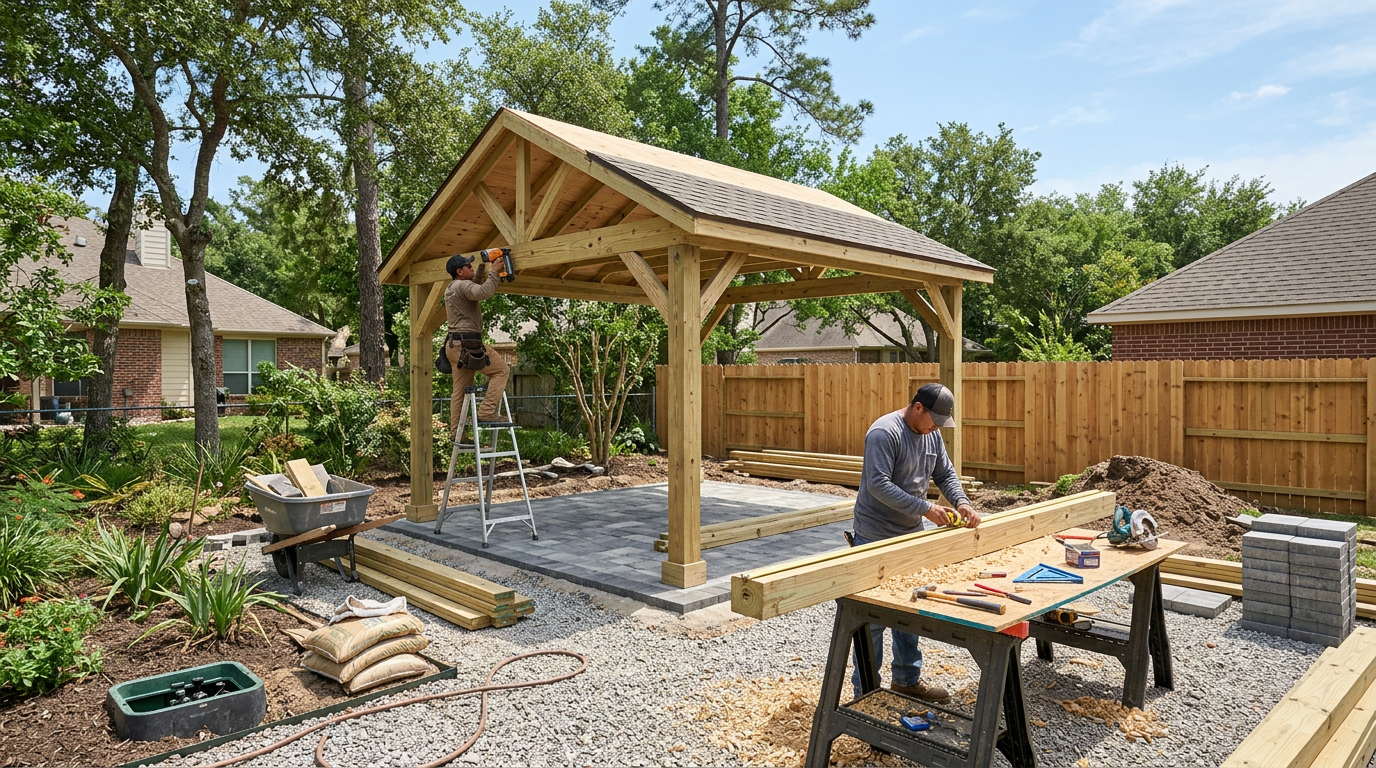
Gazebo Shed Costs Pearland: 2026 Planning Ranges
Gazebo shed costs Pearland start at $6,000 for a basic 10x12 shed and reach $28,000 for a larger gazebo with seating in 2026 planning ranges. These figures come from public 2026 data adjusted for local clay soil and drainage.
Run the numbers for your Pearland lot before you call contractors. Export the PDF with materials lists and permit notes, then compare against real bids from licensed pros who know your MUD or HOA rules.
Key takeaways
- Add 20–30% to base costs for clay-soil prep and drainage in Pearland
- Always treat this as a planning estimate — not a quote
- Check TDLR and TCEQ licensing before any work starts
- Factor MUD or HOA review times into your schedule
- Use native Texas plants around the structure for lower long-term water use
Pearland Clay Soil Demands for Gazebo Shed Bases
Clay soil in Pearland holds water and shifts with weather. Skip extra base prep and the structure cracks within two seasons.
Do this:
- Excavate 8–12 inches and replace with compacted gravel and sand mix
- Install French drains or swales that tie into existing yard drainage
- Use geo fabric under the base to stop soil migration
Not this:
- Pour directly on native clay
- Skip the 4-inch gravel layer
- Ignore slope away from the structure
Test soil moisture after heavy rain before finalizing the base depth. Pearland lots near Shadow Creek Ranch often need deeper gravel because of poor natural percolation. Local crews report that untreated bases fail fastest near drainage ditches.
Site Assessment Steps for Drainage and Soil Conditions
Walk the lot at different times of day to spot low spots. Note existing downspouts and neighbor runoff patterns.
- Mark the proposed footprint with stakes and string
- Check slope with a 4-foot level and note any dips over 2 inches
- Dig three test holes 12 inches deep to inspect clay layers
- Measure distance to nearest MUD storm drain or swale
- Photograph the area for your permit packet
Repeat the slope check after a simulated hose test. Adjust the pad location if water pools within 5 feet of the stakes. Document everything before ordering materials.
Gazebo Shed Costs Pearland Breakdown
Public 2026 data shows these rough planning ranges for greater Houston area projects. Prices include basic labor but exclude permits and major drainage fixes.
| Project Type | Size Range | Low End | High End | Clay-Soil Add-On |
|---|---|---|---|---|
| Basic Shed | 8x10–10x12 | $6,000 | $11,000 | +$1,800–$3,200 |
| Storage Shed with Windows | 10x12–12x16 | $9,500 | $16,000 | +$2,400–$4,100 |
| Gazebo with Deck | 12x12–14x14 | $14,000 | $22,000 | +$3,000–$5,500 |
| Full Gazebo / Shed Combo | 14x16–16x20 | $19,000 | $28,000 | +$4,200–$7,000 |
Add line items for electrical outlets and ceiling fans when the structure will host evening use. Factor in extra lumber for hurricane ties required by local wind codes.
MUD and HOA Permit Process
Pearland properties often sit in a MUD district. Review times run 10–30 days.
- Pull your property survey and confirm MUD boundaries
- Submit site plan showing drainage arrows and setbacks
- Include material specs that note clay-soil base details
- Pay fees and wait for stamped approval before ordering lumber
- Schedule final inspection after completion
Submit digital copies when the MUD portal allows it. Keep printed copies of every approval email. Track the permit number on all contractor invoices.
Check current requirements through the Texas Commission on Environmental Quality for any water-related rules that affect drainage plans.
Materials List for Clay-Aware Builds
- 4x4 pressure-treated skids or concrete piers
- ¾-inch exterior plywood floor
- 2x4 or 2x6 framing with hurricane ties
- Metal or composite roofing rated for Houston wind
- 6-mil vapor barrier under floor
- ¾-inch crushed limestone for base
- Geo fabric roll
- French drain pipe and fittings
- Native Texas plants for perimeter landscaping
- Galvanized hardware throughout
Order 10% extra gravel to account for compaction loss in clay. Choose stainless or hot-dipped galvanized fasteners near irrigation lines.
Labor and TDLR Licensing Checks
Hire only TDLR-licensed builders for any electrical or plumbing tie-ins. Verify current status on the state site.
- Ask for TDLR license number in writing
- Confirm general liability insurance before work begins
- Require written scope that lists clay-soil prep steps
- Get three separate bids from local crews familiar with Pearland MUD rules
Verify the license directly at the Texas Department of Licensing and Regulation before signing any contract. Request references from recent Pearland projects completed in similar soil.
Common Drainage Mistakes to Avoid
- Placing the structure in a low spot that collects runoff
- Forgetting to slope ground 6 inches in first 10 feet
- Using untreated wood in contact with clay
- Skipping downspout extensions that reach 5 feet from foundation
- Overlooking HOA rules on visible structures from the street
Add a second French drain if the lot sits below street grade. Re-grade the entire pad area after the first heavy rain to catch new flow patterns.
Gazebo vs Shed Trade-Offs
- Gazebo costs more upfront but adds usable outdoor space
- Shed gives better storage but needs stronger ventilation in Houston humidity
- Combo builds save on shared foundation but raise total permitting questions
- Both need the same clay-soil base treatment
Weigh seating capacity against storage volume when choosing size. A 12x14 combo often fits Pearland backyards better than two separate structures.
Sprinkler System Adjustments for New Structures
New builds can block existing heads or create dry zones. Plan adjustments before the base goes in.
- Map current head locations and spray patterns
- Relocate heads at least 3 feet from the new foundation
- Add drip lines for native Texas plants around the perimeter
- Install a separate valve if the gazebo will need misting
- Test the full zone after re-burying lines
Run the system for 20 minutes after any re-grade to spot pooling near the structure. Adjust pressure regulators if clay causes slow drainage.
Next Steps Before You Build
This is a planning estimate — not a quote; always get multiple written local quotes. Start with your lot survey, run the clay-soil aware checklist above, then export the full PDF and Excel cutting list from Backyard Planner.
Compare those numbers against bids from three TDLR-licensed builders who know Pearland MUD and HOA requirements. Schedule the site assessment during a dry week to get accurate soil readings.
Next steps checklist
- Complete the 5-step site assessment this week
- Pull MUD records and note review timeline
- Export the materials and cutting list PDF
- Contact three licensed builders for written bids
- Verify TDLR status before any deposit
Frequently Asked Questions
How much does a gazebo shed cost in Pearland in 2026?
Planning ranges run $6,000–$28,000 depending on size and features. Add 20–30% for clay-soil prep and drainage.
Do I need MUD approval for a gazebo shed in Pearland?
Most Pearland lots require MUD or HOA review. Submit plans early to avoid delays.
What base prep does clay soil need?
Excavate 8–12 inches, install geo fabric, add compacted gravel, and slope drainage away from the structure.
Which licenses should I check?
Confirm TDLR licensing for builders and any TCEQ rules if irrigation is involved.
Can I use the same numbers for other Houston suburbs?
Adjust slightly for Katy or Cypress drainage patterns, but clay-soil aware steps stay the same across the greater Houston area.